Summary: A reliable recall is the single most important skill you can teach your dog — it’s a life-saving agreement that grants freedom while ensuring safety. This guide provides a comprehensive, veterinarian-informed approach to building a bulletproof recall, covering the science of motivation, step-by-step training protocols, a comparison of essential tools, and 2026-specific insights to navigate modern training challenges.
Why “Come Here” Is the Most Important Conversation You’ll Ever Have
Every dog owner knows the feeling. You’re at the park, and your dog’s focus shifts from you to a squirrel across the field. You call their name, your voice rising with urgency, but they are gone, deaf to your pleas. It’s a moment of pure, unadulterated panic. This is the moment that defines the critical importance of recall training.
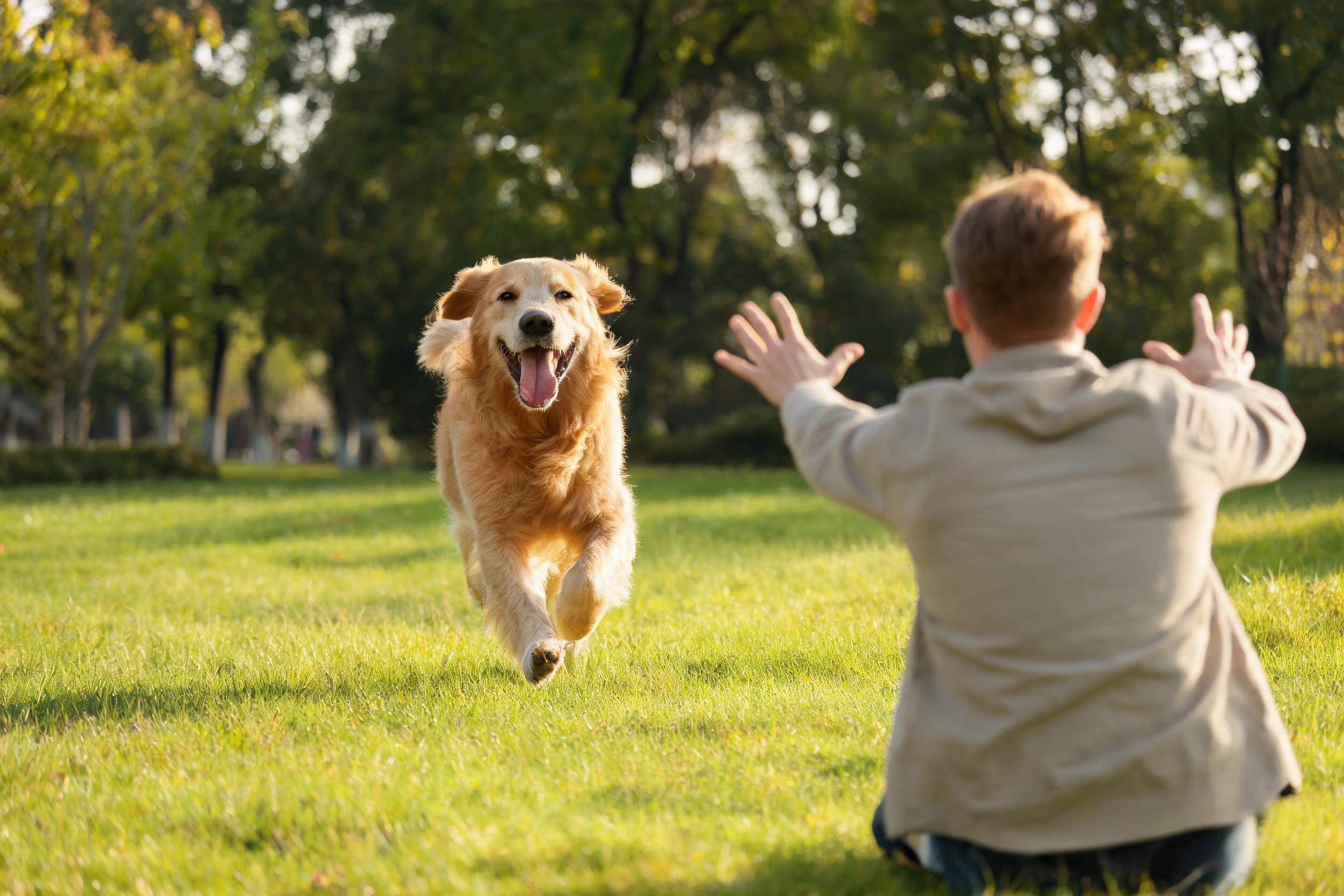
In dog training lingo, “recall” refers to the behavior of coming when called. It is not merely a party trick or a box to check in obedience class; it is the foundation of a safe, free, and trusting relationship with your dog. A solid recall is your dog’s ticket to off-leash adventures, hiking trails, and secure playdates. More importantly, it is a life-saving tool that can prevent tragedies like traffic accidents, encounters with aggressive animals, or simply losing your beloved companion.
Many owners view recall as a polite request — a hope that their dog will return. However, as one expert puts it, “If your dog only listens when there are no distractions, you don’t have a command; you have a suggestion.” In 2026, the approach to training has shifted from simple obedience to understanding the “canine economist.” Dogs are constantly weighing the value of your treat or praise against the thrill of chasing a squirrel or greeting another dog. To succeed, we need to make returning to you the most rewarding choice in any scenario.
The Science of a Stellar Recall: Why Your Dog Ignores You
The “Poisoned Cue”
One of the most common reasons a dog ignores “come” is that the cue has been “poisoned.” This happens when the word becomes associated with negative or neutral outcomes. If you repeatedly call your dog to end their playtime, to give them a bath, or to scold them for a past “crime” they won’t understand, you are teaching them that coming to you is a bad idea. The word “come” becomes background noise or a warning signal, not an invitation to a party.
The “Choice Barrier”
Dogs are pragmatic. They will choose the option that offers the highest reward. If the environment — a tantalizing scent, a running child, another dog — is more exciting than you are, they will choose the environment every time. This is why training must focus on becoming the most valuable and interesting thing in your dog’s world.
Inconsistent Cues and Environment
Distractions are the most common reason for a failed recall. Squirrels, wildlife, other dogs, and even loud noises can all capture a dog’s attention. Furthermore, a dog that perfectly responds in a quiet living room may be entirely unresponsive in a bustling dog park. Dogs don’t automatically generalize commands to new environments, so training must be proofed in various locations.
Medical and Behavioral Factors
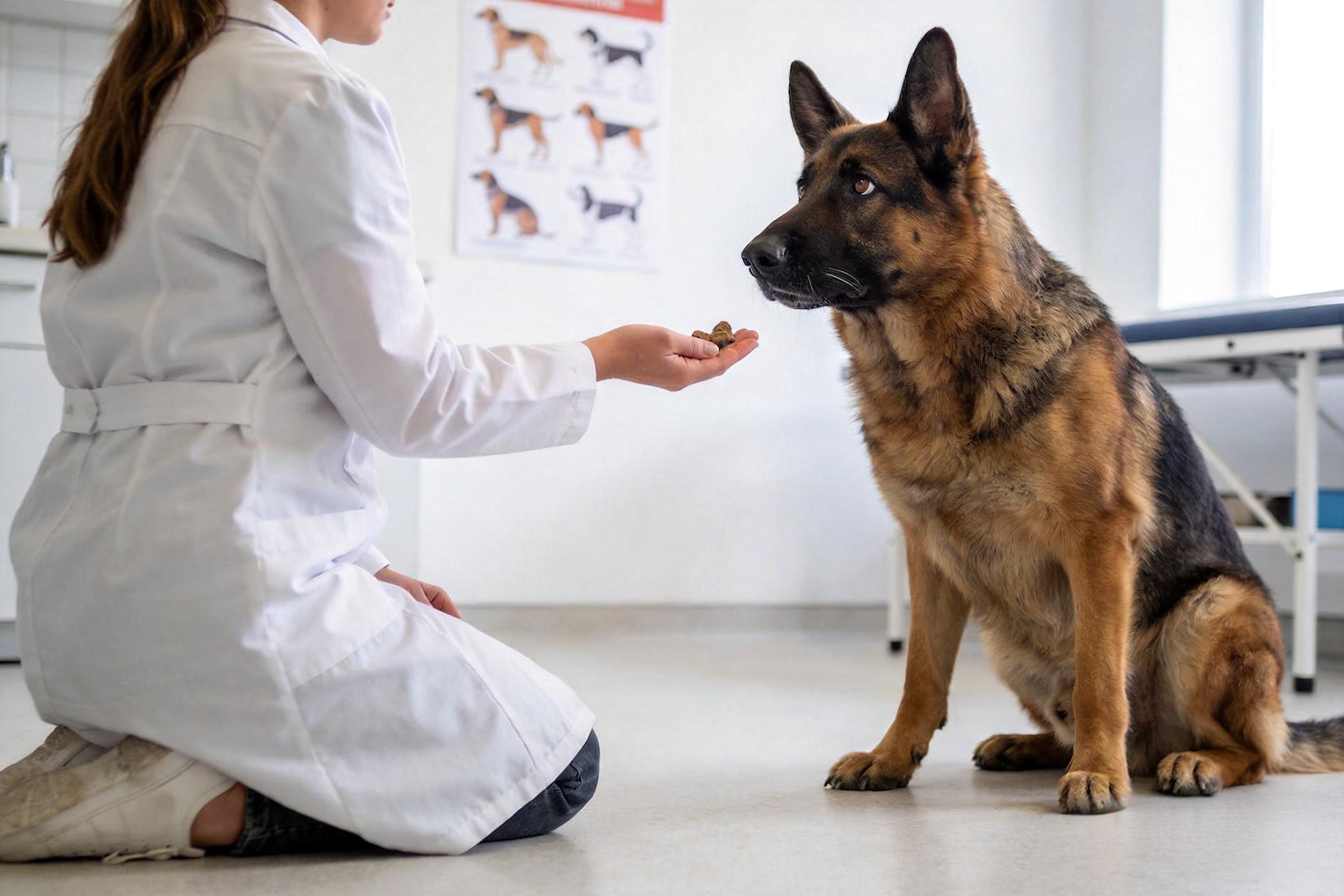
Sometimes, a suddenly “broken” recall isn’t a training issue. If a previously reliable dog starts ignoring you, it could be a sign of an underlying medical problem. Hearing or vision loss, cognitive decline in senior dogs, or even pain can make it difficult for a dog to respond. A sudden, persistent drop in recall, especially when paired with lethargy, disorientation, or other behavioral changes, warrants a veterinary check-up.
A Step-by-Step Protocol for a Bulletproof Recall
Building a reliable recall is a process that requires patience, consistency, and positive reinforcement. It is a lifelong training skill, not a one-time exercise.
Phase 1: Building the Reflex in a Zero-Distraction Environment
Start in the most boring place possible — your living room. You are not asking your dog for a choice; you are building a reflex.
- Define Your Cue: Choose a unique word or whistle that your dog won’t hear in other contexts. “Come,” “Here,” or a specific whistle are common choices.
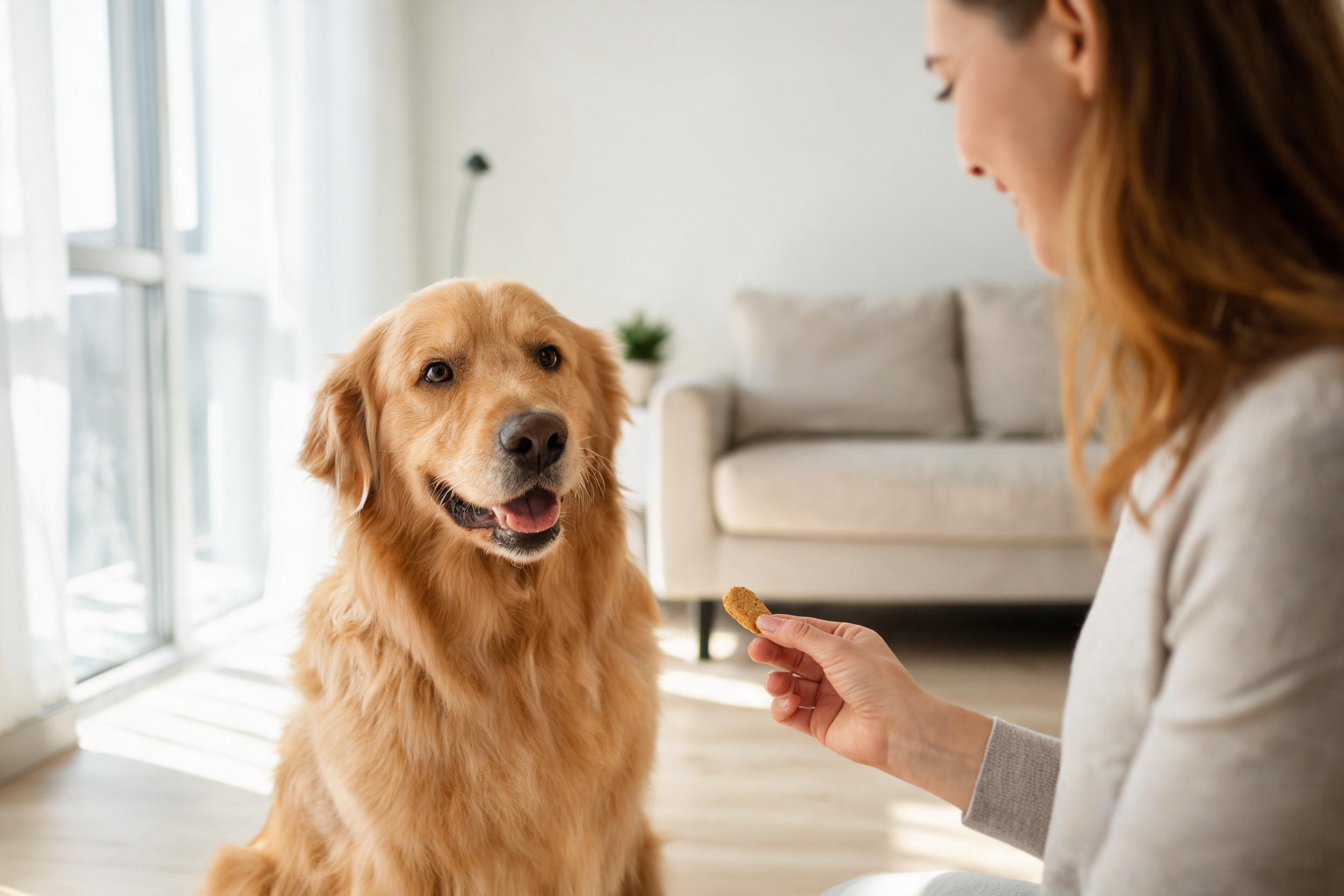
- Reward the Approach: Before you even say the cue, simply capture the behavior of your dog moving toward you. Walk a few steps away, and when your dog follows, reward them with a high-value treat or toy.
- Add the Verbal Cue: Once your dog is reliably following you, introduce the verbal cue. As your dog starts moving toward you, say “Come!” cheerfully and reward them generously when they reach you.
- The “Collar Touch”: An important step is to teach your dog to be comfortable with a collar grab. When your dog comes to you, feed them several treats in a row, and while they are eating, gently reach out and briefly touch their collar. This prepares them for being safely secured in an emergency.
Phase 2: Creating Distance and Adding Movement
- Increase Distance: Practice in your house, calling your dog from a few feet away, then from different rooms. The “Hide and Seek” game is a great way to make this fun.
- The “Ping Pong” Game: This game builds incredible value in your dog’s name and recall. Sit on the floor and toss a treat a few feet away to your left. As your dog eats it, excitedly say their name and toss another treat to your right, so they run back past you. This teaches them that coming to you means they get the best rewards.
Phase 3: Introducing the Long Line and Distractions
This is where many owners fail. They expect their dog to perform perfectly in a distracting environment without building up to it. A long line (15-30 feet) is essential for this phase.
- Move Outside: Go to a secure, fenced area or a quiet park. Let your dog drag the long line. This gives them the feeling of freedom but allows you to enforce the command if needed.
- Add Distractions Slowly: Start in a low-distraction area. Call your dog, reward them, and release them to play again. Gradually increase the distractions and only call your dog when you are confident they will succeed.
- The Restrained Recall: With the help of an assistant, have them gently hold your dog’s harness or collar. You show a high-value treat or toy, call your dog, and the assistant releases them. This builds incredible excitement and drive for the recall.
Phase 4: Proofing and Maintenance
- The “Emergency Recall”: Choose a unique word like “Surprise!” that you will use only in emergencies. To teach it, say the word in a cheerful voice and then scatter 10-20 high-value treats around your feet. Practice this a few times a week so it becomes a strongly conditioned reflex.
- Life-Long Practice: Do not stop training once you have a solid recall. Practice regularly in different environments and with various distractions. Always reward a good recall, and occasionally give a “jackpot” reward (a handful of treats) for an especially impressive response.
Tools of the Trade: A Comparison
A tool is never a substitute for a solid foundation — it’s an amplifier for the work you’ve already put in.
| Tool | Best For | Key Considerations |
|---|---|---|
| Standard 6-Foot Leash | Initial training in the home and low-distraction areas | Provides safety but offers limited freedom to practice returning from a distance |
| Long Line (15-30 feet) | The essential bridge for transitioning to off-leash control | Can tangle easily; can cause rope burn if grabbed, and can be snapped by a large, powerful dog under sudden tension |
| Front-Clip Harness | A safe and effective way to attach a leash without putting pressure on the dog’s neck | Less suitable for dogs who pull, as it doesn’t offer the same level of control as a well-fitted collar |
| GPS Tracker | Peace of mind and a recovery tool if your dog gets lost despite your training | Should be used alongside, not as a replacement for, proper training and secure containment |
| Remote Training Collar | An advanced communication tool that provides a clear, consistent signal at a distance | Should only be used with professional guidance; improper use can severely damage your bond |
Recommended Products for Your Recall Training Journey
See the comparison cards below for our top picks across long-line control, high-value motivation, and on-the-go reward access.
FAQ
1. When should I start recall training my puppy?
Immediately. The moment you bring your puppy home is the perfect time to start. The early weeks are a critical socialization and learning period, and building a positive foundation for recall from day one is much easier than fixing a broken one later.
2. My dog has a solid recall at home but ignores me at the dog park. What should I do?
You are proofing your dog too quickly. Dogs don’t automatically generalize commands to new, distracting environments. You need to go back a few steps. Use a long line at the park and practice at a distance from other dogs. Only call your dog when you are confident they will come, and reward them with something incredibly high-value.
3. What do I do if my dog doesn’t come when called?
Never scold or punish your dog for a slow recall. If they eventually come to you, reward them. If you scold them, you will poison the cue. If your dog fails to respond, don’t repeat the command over and over. Simply go and collect them quietly (or use the long line) and practice the exercise in a less distracting environment.
4. Can I use a recall word to end playtime?
Yes, but you must create a mental separation. Use your recall to call your dog, give them a treat, and then release them to play again. If you only use the recall to end fun, your dog will learn that coming to you is negative.
5. My dog knows “come” but is scared when I grab their collar. How can I help?
This is a common and serious issue. Practice the “collar touch” separately every day: call your dog, reward them, then feed them a stream of treats while gently reaching for and touching their collar. The goal is to make the collar grab a predictor of even more good things, not the end of freedom.
Conclusion
Teaching your dog a reliable recall is one of the most rewarding things you can do for them and for yourself. It’s about more than just training a command; it’s about building a trust-based relationship that allows for safer, happier, and more adventurous lives together. A perfect recall is a journey, not a destination — a skill you will practice and reinforce throughout your dog’s life.
Disclaimer: This article is for informational purposes only. Consult a certified trainer for persistent recall issues or before using advanced tools like remote training collars.