Short Summary: Crate training is more than just housebreaking; it’s about providing your dog with a secure, instinctual “den” that promotes calmness and safety. This comprehensive guide offers a step-by-step, stress-free approach to crate training, focusing on modern techniques, proper setup, and troubleshooting to ensure success for both you and your dog.
Why We’re Here: Solving the Crate Training Puzzle
You’re searching for a crate training guide because you’ve likely hit a wall. Maybe your puppy cries the moment the door closes, or your adult dog refuses to go near the crate. Perhaps you’re worried about leaving your dog alone, or you’ve read conflicting advice on how long is too long. The core problem isn’t a stubborn dog; it’s often a miscommunication about what the crate is supposed to be.
Many owners unintentionally turn the crate into a place of punishment or isolation. We’re here to fix that. Our goal is to help you transform the crate from a “jail” into a “den” — a space your dog actively chooses for rest and relaxation.
What Is Crate Training?
Crate training is the process of teaching your dog to view a crate or kennel as a safe, positive, and comfortable personal space. It leverages a dog’s natural instinct as a “den animal” to seek out an enclosed, secure area for rest. When done correctly, the crate becomes your dog’s sanctuary, not a place of confinement.
Why Does Crate Training Matter in 2026?
In 2026, the conversation around crate training has shifted from “is it necessary?” to “how do we do it right?” While it is a powerful tool for potty training, its benefits extend far beyond housetraining.
- A Life-Saving Skill: An emergency evacuation or a natural disaster is stressful. If your dog is crate-trained, they can be safely and easily transported to a shelter or veterinary hospital without added distress. Many disaster-relief shelters require animals to be crated to stay with their owners.
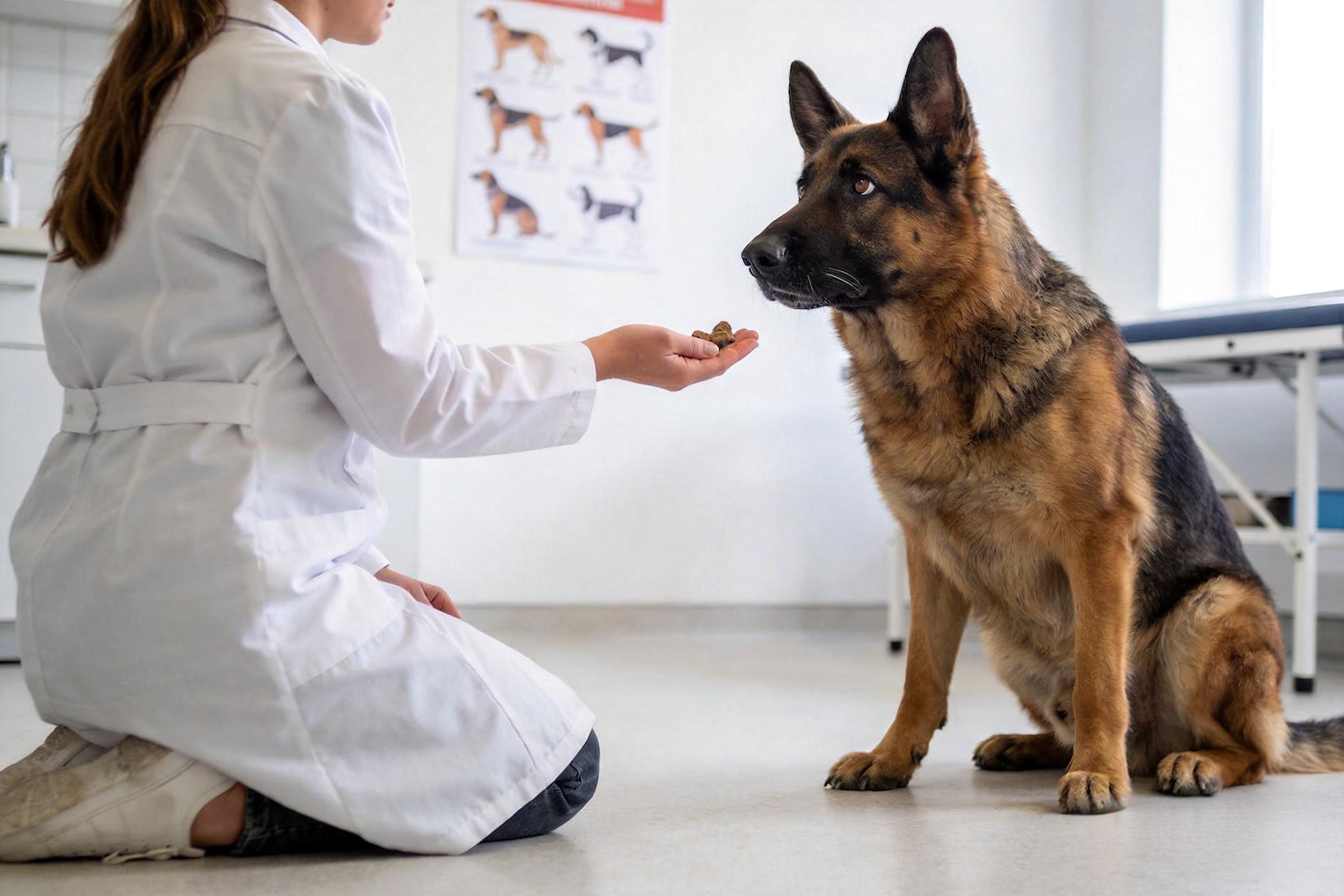
- Veterinary and Travel Preparedness: A familiar crate reduces stress during vet visits, hospital stays, or travel. Your dog will be calmer and more comfortable in an unfamiliar environment if they have their “home base.”
- Preventing Separation Anxiety: The modern approach focuses on using the crate to build independence and teach your dog that being alone is safe and normal. This proactive method helps mitigate separation anxiety before it becomes a serious behavioral issue.
- Post-Surgery Recovery: After a medical procedure, a crate provides a controlled environment for rest, preventing your dog from overexerting themselves and protecting their stitches.
The Key Insight: Environmental Enrichment Matters as Much as the Steps
Most crate training guides focus on the steps: lure the dog in, close the door, and extend the time. The crate setup is just as important as the training steps. A bare crate is just a box. To make it a desirable space, you must fill it with positive experiences and enrichment.
Symptoms of a Poor Setup
- Refusal to Enter: Your dog hesitates or runs away when you approach the crate.
- Excessive Barking or Whining: Constant vocalizing that doesn’t stop after a few minutes.
- Panic Behaviors: Pacing, panting, drooling excessively, or attempting to chew through the crate bars.
- Elimination in the Crate: Accidents in the crate, even after a recent potty break.
- Destructive Behavior: Trying to dig out or damage the crate and its surroundings.
Factors for Success
- The “Happy Place” Principle: The crate should never be used for punishment. Time-outs should be calm, not emotionally charged.
- Patience & Pacing: Crate training can take as little as a day or as long as several months. Your dog’s personality and past experiences dictate the timeline, not a one-size-fits-all approach.
- Safety First: Always remove your dog’s collar before crating them to prevent it from getting caught on the bars, which can be a choking hazard.
Section 1: A Step-by-Step Guide to the Perfect Den
This process is about creating positive associations. If you rush, you risk creating a negative association that is hard to undo.
Phase 1: Building a Positive Association (Door Open)
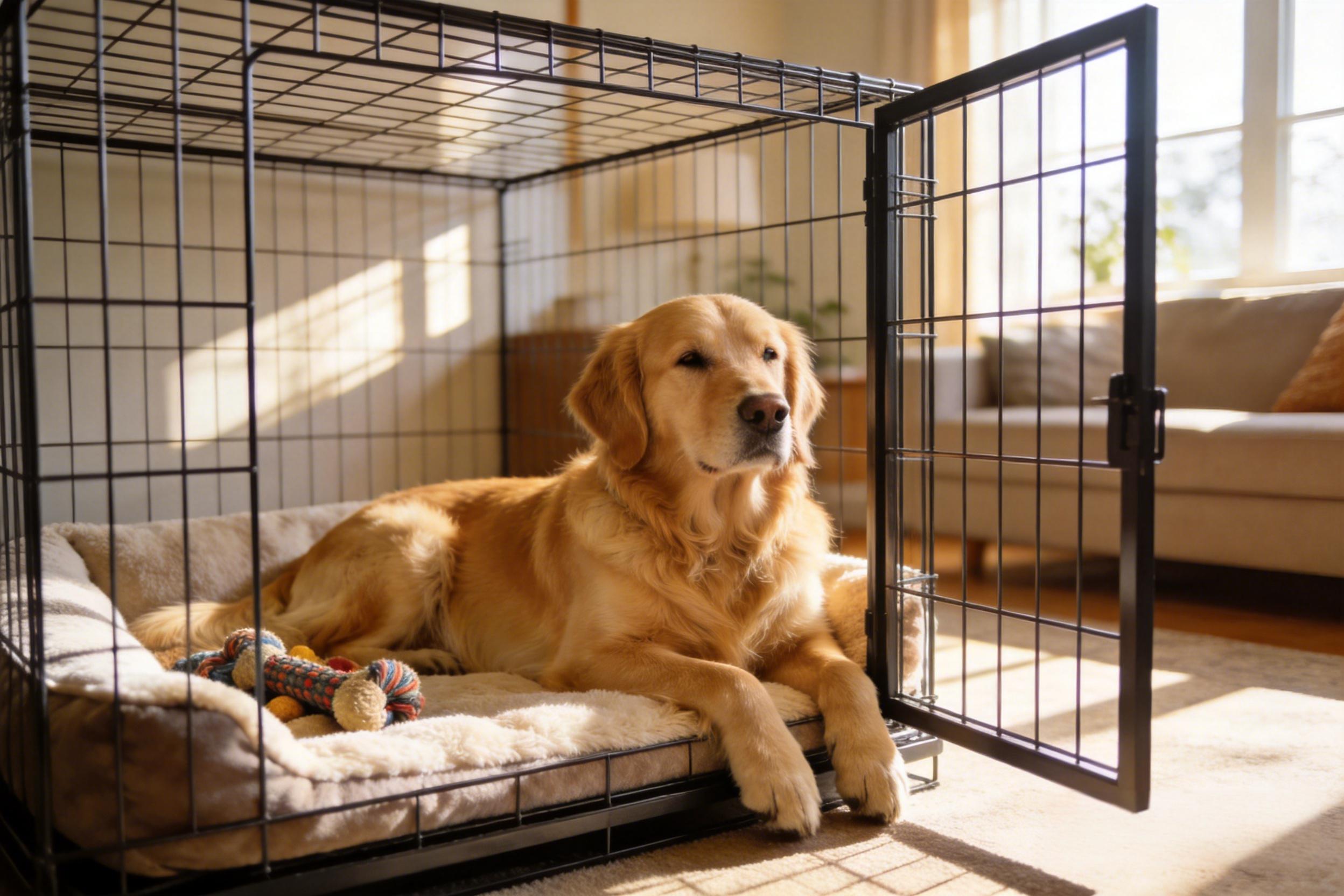
- Location, Location, Location: Place the crate in a room where the family spends time, like the living room, not a lonely garage or basement. This makes your dog feel included.
- Make It Inviting: Put a comfortable, durable bed inside. A crate with no bedding is not an inviting space.
- The “Treat Party” Approach: Scatter high-value treats inside and around the crate for your dog to find on their own. Feed them their meals near, and then inside, the crate with the door open. Let them see the crate as a source of good things.
- Encourage Exploration: Toss a toy or a treat just inside the door. As your dog gets comfortable, toss the lure further back so they enter completely. Use a cheerful command like “kennel up” or “crate” as they go in.
Phase 2: Closing the Door (Gradual Introduction)
- Start with Seconds: Once your dog is happily entering, close the door for just a second while you’re right there, then open it immediately. Reward them for being calm.
- Increase Time Slowly: Gradually extend this period from a few seconds to a minute, to five minutes, while you stay in the room. Give them a food-stuffed toy like a Kong to keep them occupied.
- Add Distance: Start stepping away from the crate. Take one step back, then return and reward. Slowly increase the distance over several sessions.
- Leave the Room: Next, step out of sight for a few seconds, then return. Slowly increase the duration you are out of the room. Always return before your dog becomes anxious.
Phase 3: Establishing a Routine
- Puppy Schedules: For young puppies, the crate is an essential tool for enforced napping. Puppies need 16-20 hours of sleep a day. A regular routine of “potty, play, crate nap” prevents overtired, destructive behavior.
- Potty Training: A dog’s instinct is to avoid soiling their sleeping area. Use a crate with an appropriate size (not too big) to help them “hold it” until you can take them outside.
- Nighttime: At night, put the crate in your bedroom so your puppy can smell and hear you. This helps them feel secure and reduces nighttime crying. Expect to take young puppies out for a potty break once or twice during the night.
Section 2: Solutions & Recommended Enrichment Tools
The Problem: My Dog Whines and Cries Constantly
Don’t let them out while they are whining. This teaches them that crying is the way to escape. Wait for a moment of silence, even a second, then reward and release them. Lickimats and puzzle toys help here — licking and chewing are self-soothing behaviors for dogs. A food-dispensing toy filled with peanut butter or wet food provides mental stimulation and keeps them occupied, reducing anxiety.
The Problem: My Dog Panics and Tries to Escape
This is a sign of true distress, not stubbornness. You’ve likely moved too fast. Go back to Phase 1 with the door open. A relaxing soundscape can help — playing classical music can have a notable calming effect on kenneled dogs, reducing stress and encouraging sleep. Covering the crate with a blanket can create a more den-like atmosphere by reducing visual stimulation.
The Problem: My Dog Doesn’t Want to Go In
They haven’t associated the crate with enough good things yet. Provide a safe, durable chew that your dog only gets when they are in the crate — a powerful motivator for entering the crate. Remove their collar before giving them a chew.
Section 3: Comparison — Which Crating Strategy Is Right for You?
| Feature | Traditional Approach | Enrichment-Focused Approach | Best For |
|---|---|---|---|
| Core Philosophy | Containment & management | Building a positive “den” experience | All dogs, especially anxious ones |
| The Crate Space | Often a bare crate with just a tray | A comfortable bed, chew toys, enrichment items | Dogs who need a reason to stay |
| Training Method | Lure dog in, close door, leave | Extended positive association phase, focus on mental stimulation | Puppies, rescue dogs, and sensitive dogs |
| Response to Stress | ”Cry it out” method (often ineffective) | Stopping and retracing steps to find the comfort level | Dogs showing signs of panic or severe anxiety |
| Key Benefit | Quicker initial result for potty training | Long-term comfort, reduced anxiety, voluntary crate use | Owners who want a reliable, stress-free tool for life |
Crate Types: A Quick Comparison
- Wire Crates: Offer great ventilation and visibility. Collapsible for travel and often come with a divider panel to adjust the size as your puppy grows. Best for home use and multi-purpose needs.
- Plastic/Travel Crates: Sturdy and secure, often required for airline travel. More den-like feel but less airflow. Best for travel and veterinary visits.
- Soft-Sided Crates: Lightweight and easy to carry. Best for short-term use with calm, non-chewing dogs; not suitable for unsupervised or anxious dogs.
Recommended Products for a Crate Setup
See the comparison cards below for our top picks across calming enrichment, safe crate design, and durable bedding.
FAQ
1. How long can I leave my dog in a crate during the day?
For adult dogs, 6-8 hours is the general maximum, but this should be the exception, not the daily routine. For puppies, a good guideline is their age in months plus one, in hours. A 4-month-old puppy should not be crated for more than 5 hours during the day.
2. My puppy cries at night in the crate. Should I let them “cry it out”?
Not for young puppies. Crying often signals a real need — they have to potty, are cold, or are scared. Take them out for a quiet, boring potty break, then put them back with minimal interaction. Place the crate in your bedroom so they don’t feel alone.
3. Should I put a water bowl in the crate?
Yes, for extended periods (over an hour), water should be available. Use a spill-proof bowl that attaches securely to the crate bars to prevent messes.
4. What do I do if my dog panics in the crate?
Stop the session immediately. Panic is not a training problem to push through. Go back to the very beginning with the door open and treats, and move much more slowly. If the panic continues, consult a veterinarian or a certified professional dog trainer.
5. Can I crate train an adult dog?
Absolutely. The same gradual steps apply, but you may need to be more patient. Adult dogs often have stronger preferences and potentially negative past experiences. Never force them in; always use positive reinforcement. If they show severe signs of distress, they may have a history of confinement trauma.
Conclusion
Crate training is about so much more than just housebreaking. It’s about creating a lifelong skill that ensures your dog’s safety, comfort, and well-being. By shifting your perspective from “containment” to “enrichment” and following these expert-backed steps, you can build a positive relationship with the crate that your dog will genuinely love.
Disclaimer: This article is for informational purposes only. Consult a certified trainer or veterinarian if your dog shows signs of severe panic or confinement trauma.