Short Summary: Aggression in dogs is rarely a simple case of “bad behavior”; it is a complex symptom often rooted in fear, anxiety, or genetic predisposition. This guide provides a science-backed, compassionate approach to identifying the root cause of your dog’s aggression and implementing effective, safe behavior modification strategies in 2026, moving beyond outdated dominance myths.
Why This Problem Demands Immediate Attention
If you are searching for how to fix aggressive dog behavior, you are likely living with a level of stress that is affecting your entire household. You might dread walks, avoid visitors, or worry about the safety of your family and other pets. This is an incredibly isolating and frightening experience, but you are not alone. Industry data shows that roughly 25% of pet parents avoid public spaces because they fear their dog’s unpredictable reactions. This problem represents a significant breakdown in the human-animal bond and a lowered quality of life for your dog, who is likely living in a state of constant anxiety.
The stakes are high. Aggression is a leading cause of euthanasia and shelter relinquishment, with 64.7% of owners who chose to euthanize for behavioral reasons citing aggression to other dogs or animals as a factor. Furthermore, aggressive dogs are often walked less, which exacerbates the problem due to a lack of exercise and mental stimulation. However, ignoring the problem is not the answer. Understanding that aggression is a symptom, not a permanent personality trait, is the first step toward finding a humane and effective solution.
What Is Dog Aggression? (And What It Isn’t)
At its core, aggression is a normal canine behavior. It is communication. The American Kennel Club defines it as behavior used to increase distance from or eliminate a provocative stimulus or threat. This means your dog isn’t being “mean” or “dominant” for the sake of it; they are trying to create safety or space for themselves.
Common Misconceptions
One of the most harmful myths is the concept of “dominance aggression.” Recent research suggests that dogs do not strive to achieve a strict, linear pack hierarchy to the extent previously believed. Labeling a dog’s aggression as “dominance” is often an oversimplification and a misdiagnosis. In most cases, what looks like a power struggle is actually fear, anxiety, or a learned response to a situation where the dog feels threatened or cornered. Applying dominance-based training methods only increases tension and can make a fearful dog more aggressive.
The Genetic and Breed Component
While aggression is primarily driven by environment and emotion, genetics do play a role. Some breeds have been selected for traits like guarding and protection, which can manifest as a higher propensity for territorial or defensive behaviors. This is not a predictor of aggression, but a factor to understand. Some dogs exhibiting non-fear-based aggression may actually enjoy the activity of biting, similar to how a retriever enjoys fetching. This highlights the need to look at the individual dog’s history and triggers.
Why It Matters: The Ripple Effect
The impact of canine aggression extends far beyond the immediate risk of a bite. It affects every aspect of your dog’s life and your own. A dog that is constantly reacting is a dog that is stressed. This chronic stress lowers their quality of life and can even have negative physical health impacts. For owners, it can lead to social isolation, fear of liability, and a breakdown of trust in a beloved family member. This is why a professional approach, tailored to the specific type of aggression, is critical.
Section 1: Recognizing the Symptoms and Underlying Factors
The Warning Signs (Body Language)
Aggression doesn’t happen out of the blue. Dogs give clear warning signs that are often missed or ignored.
- Subtle Stress Signals: Yawning (when not tired), lip licking (when not eating), displacement sniffing (sniffing the ground intently), and a tucked tail or ears pinned back.
- Escalating Cues: A rigid or stiff body posture, standing up on the toes, a hard stare, and raised hackles (hair standing up on the back).
- Active Threats: Growling, baring teeth, snarls, and snapping. These are clear and final attempts to communicate discomfort before a bite occurs.
The Root Causes
- Fear and Anxiety: This is the most common cause of aggression. When a dog feels trapped or threatened and cannot escape, they may fight to create distance. This can be directed at strangers, other dogs, or even family members if past experiences have been negative or frightening.
- Resource Guarding (Possessive Aggression): This is a survival instinct. A dog may aggressively guard food, toys, a favorite resting spot, or even a person they perceive as a high-value resource.
- Frustration and Redirected Aggression: This often occurs on walks. A dog may be frustrated by being restrained on a leash and unable to greet another dog, which escalates into lunging and barking. Sometimes, if a dog can’t reach the source of their agitation, they will redirect their aggression onto a nearby person or animal.
- Pain and Medical Conditions: This is often overlooked. A dog in pain (e.g., from arthritis or dental issues) is irritable and more likely to snap if touched. Medical conditions like hypothyroidism, brain tumors, or epilepsy can also cause sudden aggression.
- Predatory Instinct: This is an innate drive to chase and hunt. This type of aggression is often silent and focused, directed at small animals or, in some tragic cases, small children or other pets.
Early Intervention and Holistic Assessment
A paradigm shift in 2026 is the focus on early, multimodal intervention, even in young dogs. Case studies have highlighted dogs as young as 9 months with severe aggression successfully treated with a combination of environmental management, behavior modification, and pharmacologic therapy. Early, comprehensive treatment is crucial, and young age should not preclude the use of appropriate tools like medication when prescribed by a veterinarian.
Section 2: Solutions and Recommendations
There is no single “cure” for aggression, but there are highly effective strategies for managing and modifying it. The goal is to change the dog’s emotional response to the trigger.
Step 1: The Veterinary Exam (Rule Out Medical Causes)
This must be your absolute first step. An aggressive dog is often a hurting dog. Schedule a complete physical and neurological exam with your vet to rule out pain or underlying disease. If a medical issue is the cause, treating it will likely resolve the aggression.
Step 2: Environment Management and Safety
Aggression is a behavior that is reinforced every time it “works.” Your first job is to prevent any more rehearsals of the aggressive behavior.
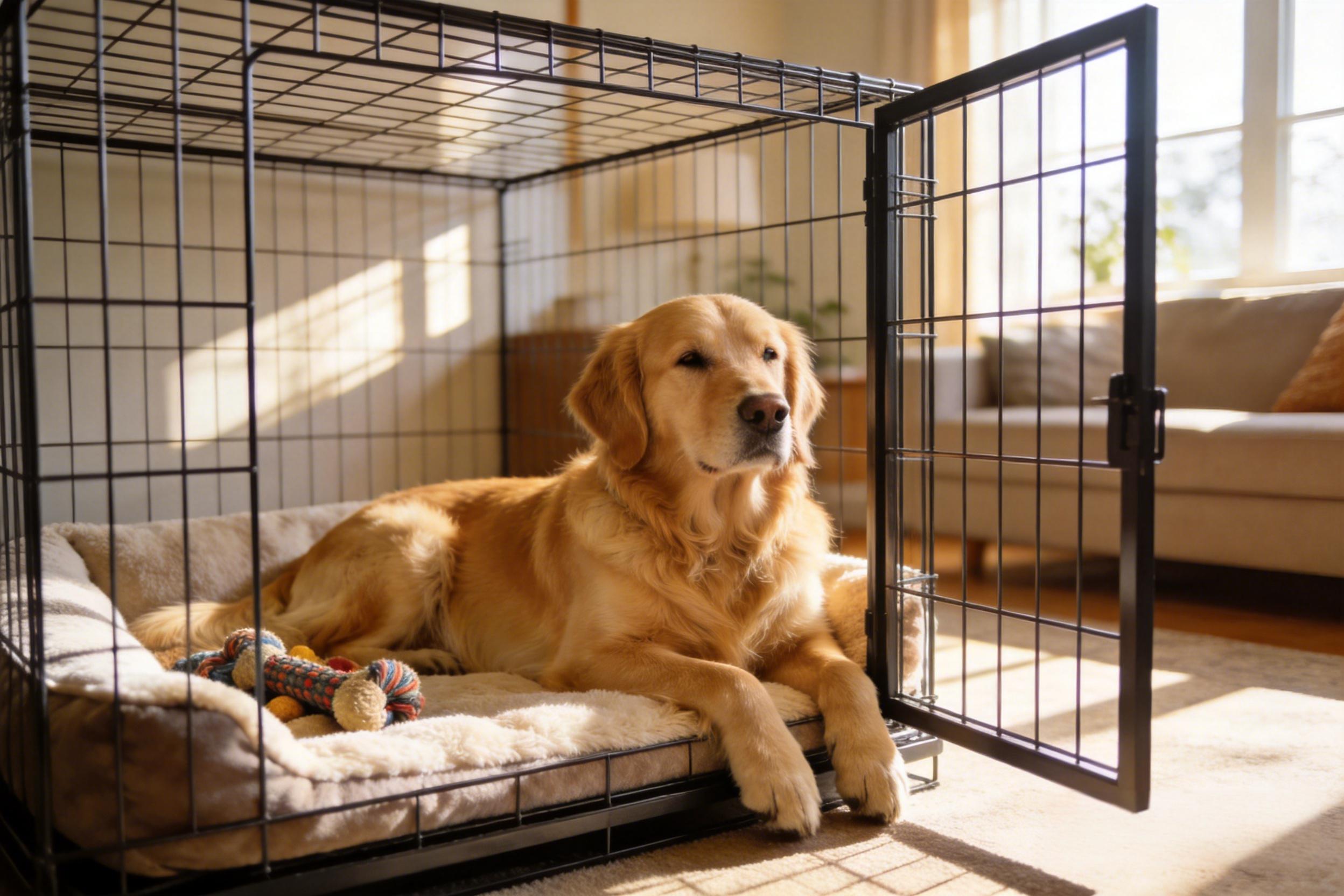
- Immediate and Secure Segregation: If you have a multi-dog household, separate the dogs. Use baby gates, crates, and separate rooms to prevent any interaction that could lead to a fight.
- Use “Drag Lines”: In the house, have your dog drag a lightweight leash from their collar or harness. This allows you to safely guide or separate the dog from a distance without having to reach into a fight.
- Avoid Triggers: If your dog reacts to other dogs on walks, cross the street, turn around, or walk at off-peak hours. This is not giving up; it’s setting your dog up for success by keeping them under threshold.
Step 3: Behavior Modification (Desensitization and Counterconditioning)
Desensitization and counterconditioning (DS/CC) is the gold-standard, science-backed method for changing a dog’s emotional response.
- Identify the Threshold: Find the distance or intensity at which your dog notices the trigger but does not react. This is your starting point.
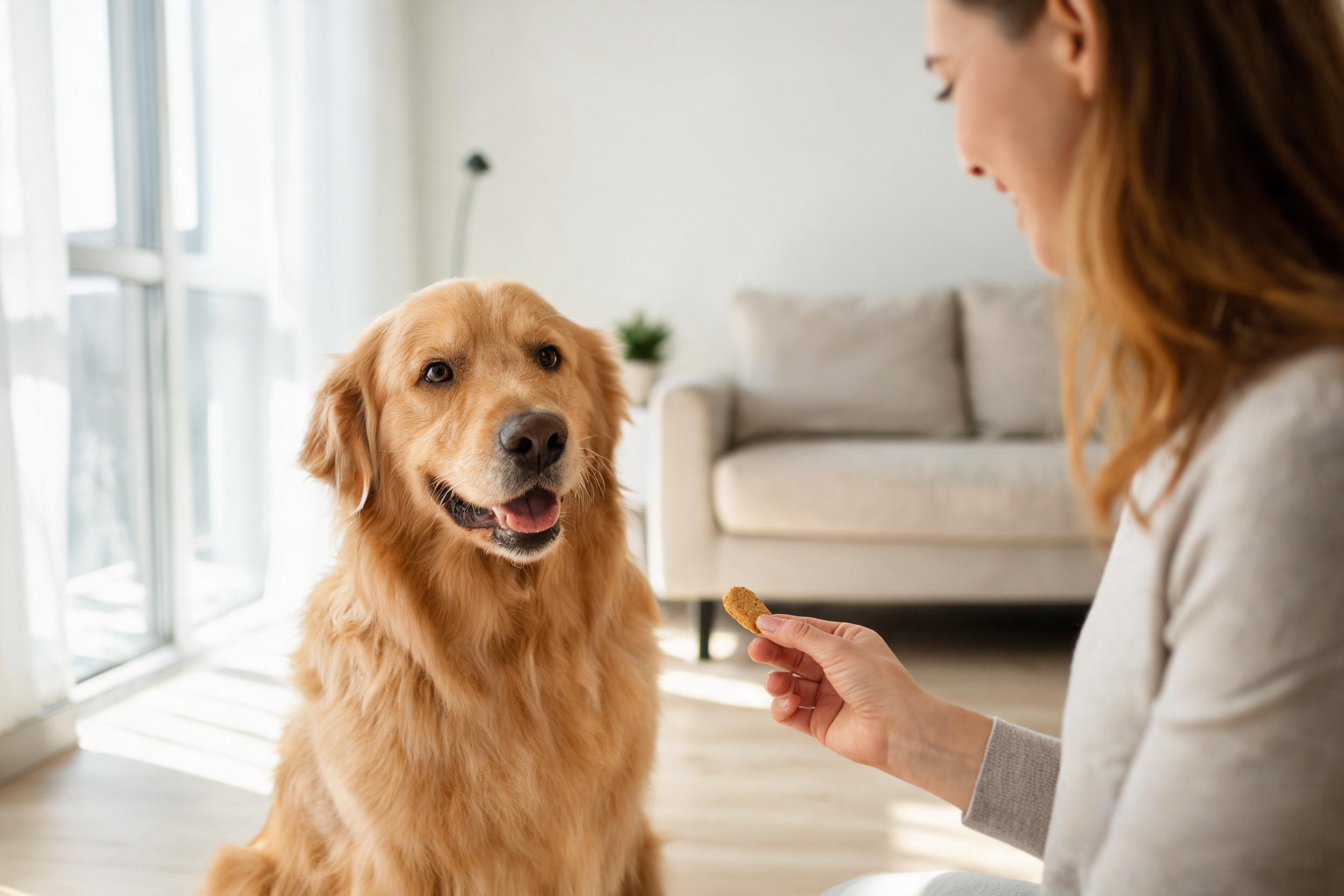
- Counterconditioning: Pair the presence of the trigger (at a safe distance) with a high-value reward. The dog learns that “trigger = treats,” which changes their emotional state from fear to anticipation.
- Desensitization: Gradually and systematically decrease the distance or intensity of the trigger over multiple sessions, ensuring your dog stays calm at every step. If they react, you’ve gone too fast — increase the distance again.
- Reward Calm Behavior: Reinforce any calm behavior your dog offers, such as looking away from the trigger or sitting.
Step 4: Professional Intervention and Medication
For moderate to severe cases, you need professional help.
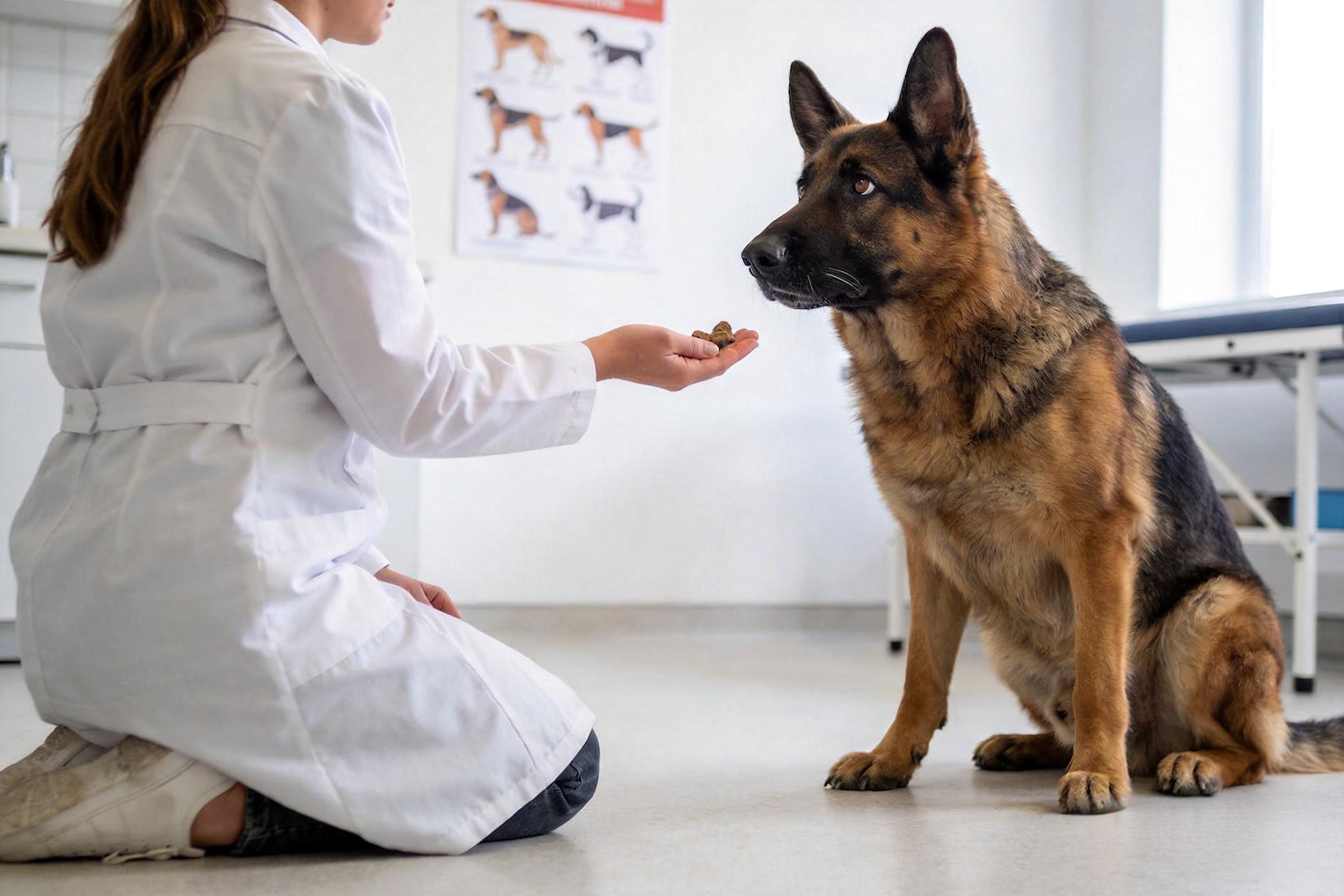
- Board-Certified Veterinary Behaviorist (DACVB): This is a veterinarian who specializes in animal behavior. They can provide a definitive diagnosis, prescribe medication, and create a comprehensive treatment plan.
- Certified Professional Dog Trainer or Certified Behavior Consultant: Look for trainers who use positive reinforcement and humane, science-based methods.
- Medication: In many cases, anxiety is so severe that a dog cannot learn. Medication can help lower the dog’s overall anxiety level, making them receptive to behavior modification. Pharmaceuticals can help, but not cure, the problem — they are a tool, not a replacement for training.
Step 5: Special Considerations for Specific Aggression Types
- Food Aggression: A specialized protocol involves feeding the dog in a separate room, tossing kibble a few pieces at a time, and rewarding calm behavior. If the dog shows aggression, the meal is removed, teaching the dog that polite behavior earns food, while aggression makes it go away.
- Inter-Dog Aggression: Reintroducing dogs after a fight requires extreme caution. Trial exposures should be on neutral territory, with the dogs on leashes at a distance, and should be incredibly gradual.
- Non-Fear-Based (Operant) Aggression: For dogs that bite because they enjoy it or it gets them what they want, a technique called “response cost” can be effective. In a safe and controlled way, the dog’s access to the owner or a resource is removed when they engage in the aggressive behavior, teaching them that aggression leads to a loss of reward.
Section 3: Comparison of Training Approaches
| Feature | Traditional “Purely Positive” Methods | Balanced Methodology | Integrated Veterinary Approach |
|---|---|---|---|
| Core Philosophy | Reward all good behavior; ignore or manage bad behavior | Reward good choices; implement a clear “no” for dangerous behaviors | Address the root cause (fear, anxiety, genetics) using management, behavior modification, and medication |
| When It Works Best | Teaching basic cues in low-distraction environments | Preventing escalation and improving reliability in high-stakes situations | Treating moderate to severe aggression where emotional imbalance prevents learning |
| Common Pitfalls | Can fail in a crisis where the dog is flooded with adrenaline; food loses all value | If misapplied, can increase fear and worsen aggression; requires a highly skilled trainer | Requires significant time and financial commitment; owner compliance is critical for success |
| Veterinary Support | May not require veterinary input unless behavior is severe | Rarely involves veterinary behaviorists | The gold standard, always involving a veterinarian to rule out medical issues and potentially prescribe medication |
Recommended Products for Managing Aggressive Behavior
These are management tools to use in conjunction with a professional training plan, not a substitute for addressing the emotional root cause. See the comparison cards below for our top picks.
FAQ
1. Can an aggressive dog be cured?
While some mild cases may resolve completely, many forms of aggression are more accurately “managed” than “cured.” The prognosis depends on the severity, the dog’s history, and the owner’s compliance. With a comprehensive plan, the vast majority of dogs can improve significantly.
2. Is it safe to use a shock collar on an aggressive dog?
Absolutely not. Using aversive techniques like shock collars on an aggressive, fearful, or anxious dog is highly dangerous and counterproductive. It will likely increase fear and anxiety, potentially causing the aggression to become more severe or unpredictable.
3. Why is my dog suddenly aggressive?
Sudden aggression is a red flag. It is often caused by underlying pain or a medical condition. Other causes can be a change in routine, a past trauma triggering a fear response, or a new conflict over resources. Schedule a veterinary visit immediately to rule out medical issues.
4. Should I punish my dog for growling?
Never. A growl is a warning signal. If you punish a growl, you teach the dog to suppress their warning. This creates a dog that bites “without warning,” which is much more dangerous. Respect the growl, stop what you are doing, and get help.
5. How long does it take to fix aggressive behavior?
There is no quick fix. Behavior modification is a marathon, not a sprint. It can take weeks, months, or even years to see significant, lasting changes. Consistency is the key to success.
Conclusion
Living with an aggressive dog is one of the most challenging experiences a pet owner can face. It can feel hopeless, scary, and lonely. But there is hope. By shifting your perspective from punishment to understanding, and by seeking professional help, you can change your dog’s life and your own.
Take the first step:
- Schedule a vet visit to rule out medical issues immediately.
- Contact a Certified Applied Animal Behaviorist (CAAB) or a board-certified Veterinary Behaviorist (DACVB) to guide you.
This article is for informational purposes only and does not constitute veterinary or behavioral advice. Always consult a qualified professional for diagnosis and treatment, especially in cases involving aggression toward people or other animals.