Summary: Puppy biting is a normal but painful developmental stage driven by teething, play, and exploration. This guide provides a science-backed, step-by-step plan to manage and reduce biting using positive reinforcement, appropriate chew toys, and consistent training, ensuring your puppy grows into a well-mannered adult dog.
Why Your New Puppy Is a “Land Shark” (And Why You’re Here)
You brought home an adorable, fluffy bundle of joy, and within days, you find yourself with a tiny, four-legged piranha. Those razor-sharp baby teeth seem to find every part of your hands, ankles, and clothing. If you’re searching for “puppy biting solutions,” you are not alone, and you are likely experiencing the frustration, pain, and worry that comes with this common phase.
The good news is that this behavior is entirely normal and is a crucial part of your puppy’s development. However, while normal, it’s also a behavior that must be managed to prevent it from becoming a problematic habit in adulthood. This guide will walk you through the “why” behind the biting and provide you with a practical, step-by-step plan to navigate this stage successfully, based on expert advice from veterinarians and certified dog behaviorists.
Understanding the “Why”: The Science Behind the Bite
Before we can fix the problem, we need to understand its root causes. Puppies don’t bite out of malice or aggression; it’s a natural and essential part of their growth.
1. Exploration and Play
Like human babies, puppies use their mouths to explore the world around them. Biting and mouthing are primary ways they learn about textures, tastes, and the consequences of their actions. When a puppy bites a littermate too hard, the littermate yelps and stops playing — this is how they learn “bite inhibition,” or the ability to control the force of their bite.
2. Teething and Discomfort
Puppies go through a significant teething phase, which is uncomfortable and even painful. Just like a human infant, chewing helps relieve the pressure on their gums as their baby teeth fall out and their adult teeth come in. This period can last from around eight weeks to over six months of age. The need to chew is a physical necessity during this time, not a behavioral choice.
3. Overexcitement and Overtiredness
A common trigger for increased biting is overstimulation. A puppy that is overly tired or has had too much exciting play is likely to lose its self-control, resulting in more frantic and painful nipping. It’s a canine version of a toddler’s meltdown, and just like a toddler, they often need a nap rather than more activity. Recognizing these “witching hours” is key to managing the behavior.
4. Breed and Genetic Predisposition
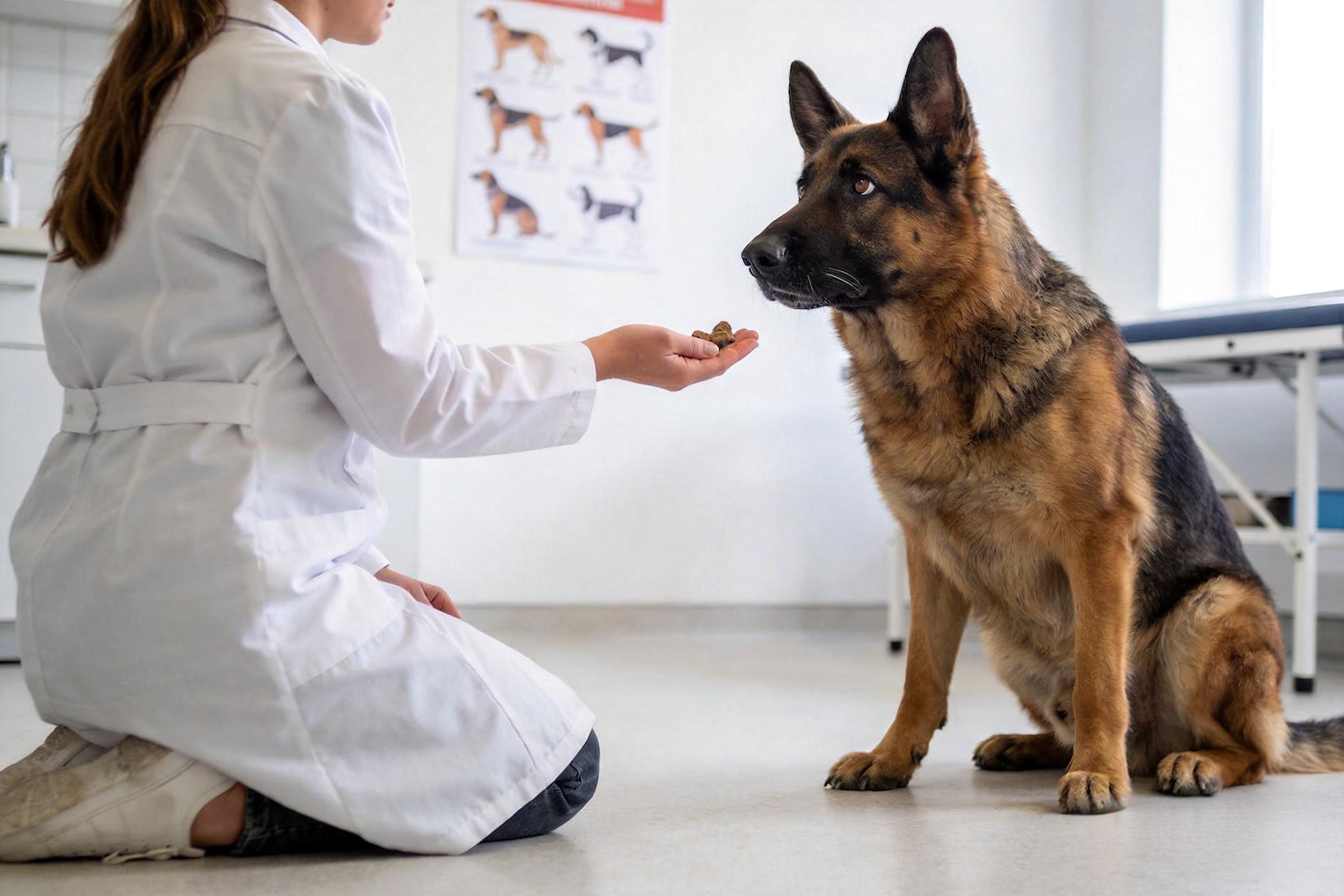
While all puppies bite, some breeds are more predisposed to mouthy behavior. Working dogs like German Shepherds, Rottweilers, and many terriers were bred to use their mouths to carry objects or control other animals, making them more likely to explore and interact with their mouths.
Why “Ignore” and “Yelp” Methods Are Being Re-Evaluated
For years, the standard advice for puppy biting was to yelp loudly or simply ignore the puppy. While these methods can work for some, modern veterinary and behavioral experts are moving away from them. A high-pitched yelp can actually excite some puppies, making the biting worse. Ignoring the puppy might be ineffective if they are highly aroused or seeking any form of attention. The current gold standard of puppy training is a three-pronged approach: redirection, time-outs, and fulfillment of natural needs.
A Step-by-Step Guide to Stopping Puppy Biting
Step 1: Master the Art of “Time-Out” (Not Punishment)
The most effective immediate response to a bite is to remove the reward: your attention and presence.
- The Moment Teeth Touch Skin: Immediately say a calm marker word like “Oops” or “Too bad” in a neutral tone.
- Stop All Interaction: Halt play, fold your arms, and move away from your puppy. If they are following and biting at your feet, calmly step behind a baby gate or close a door between you for 5-10 seconds.
- Return and Reward: After the brief break, return to your puppy. If they are calm, resume play. If they bite again, repeat the process. This teaches the puppy that biting ends the fun. This is “negative punishment” (removing a pleasant stimulus) and is far more effective and less harmful than any form of physical correction.
Step 2: Redirection Is Your New Best Friend
Since puppies have a natural, overwhelming urge to chew, you must give them an appropriate outlet.
- Always Have a Toy Ready: Keep a selection of approved chew toys within arm’s reach during all interactions.
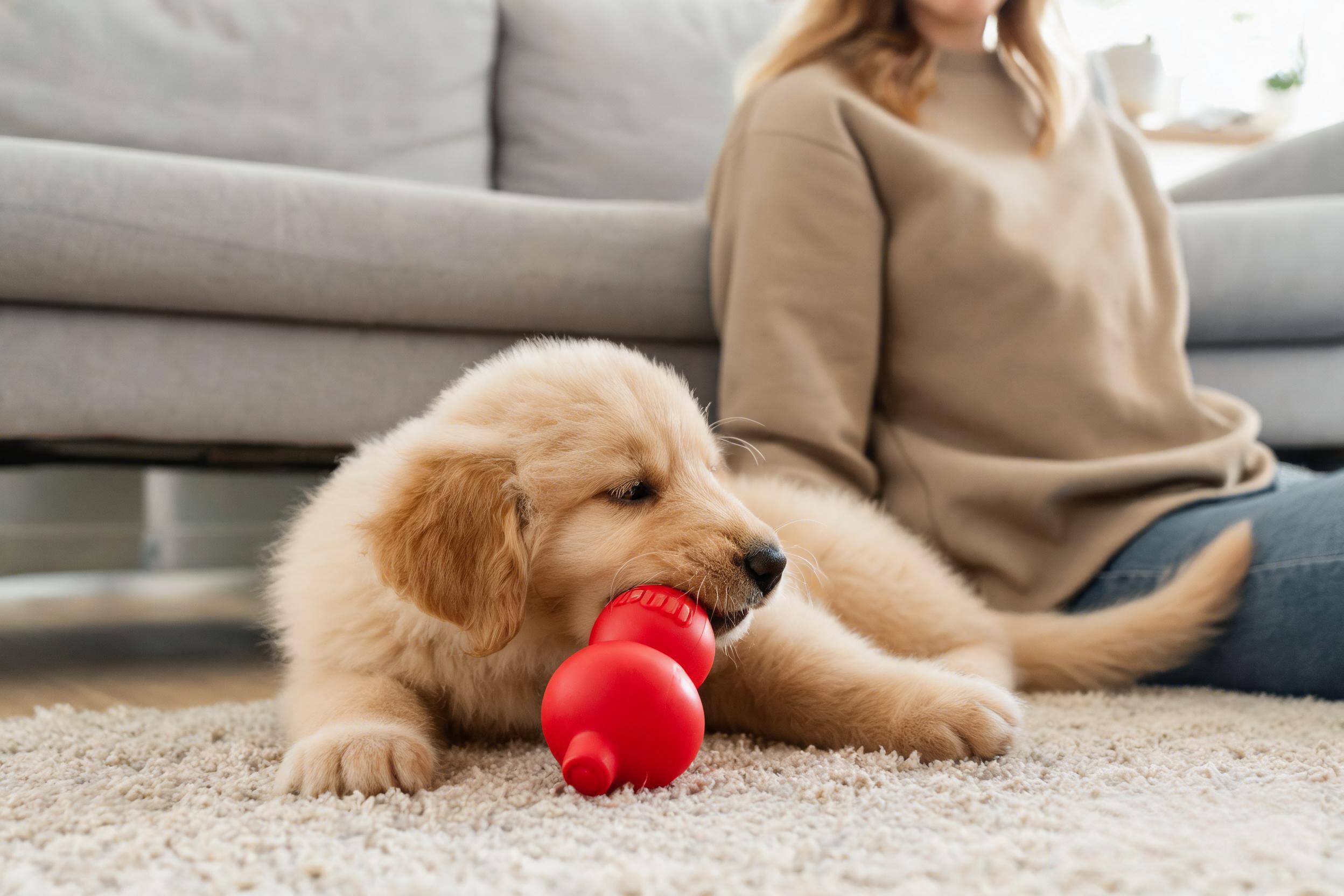
- Proactive Redirection: Anticipate the bite. When your puppy starts to get mouthy, proactively offer a toy and encourage them to engage with it. Move the toy around to make it interesting.
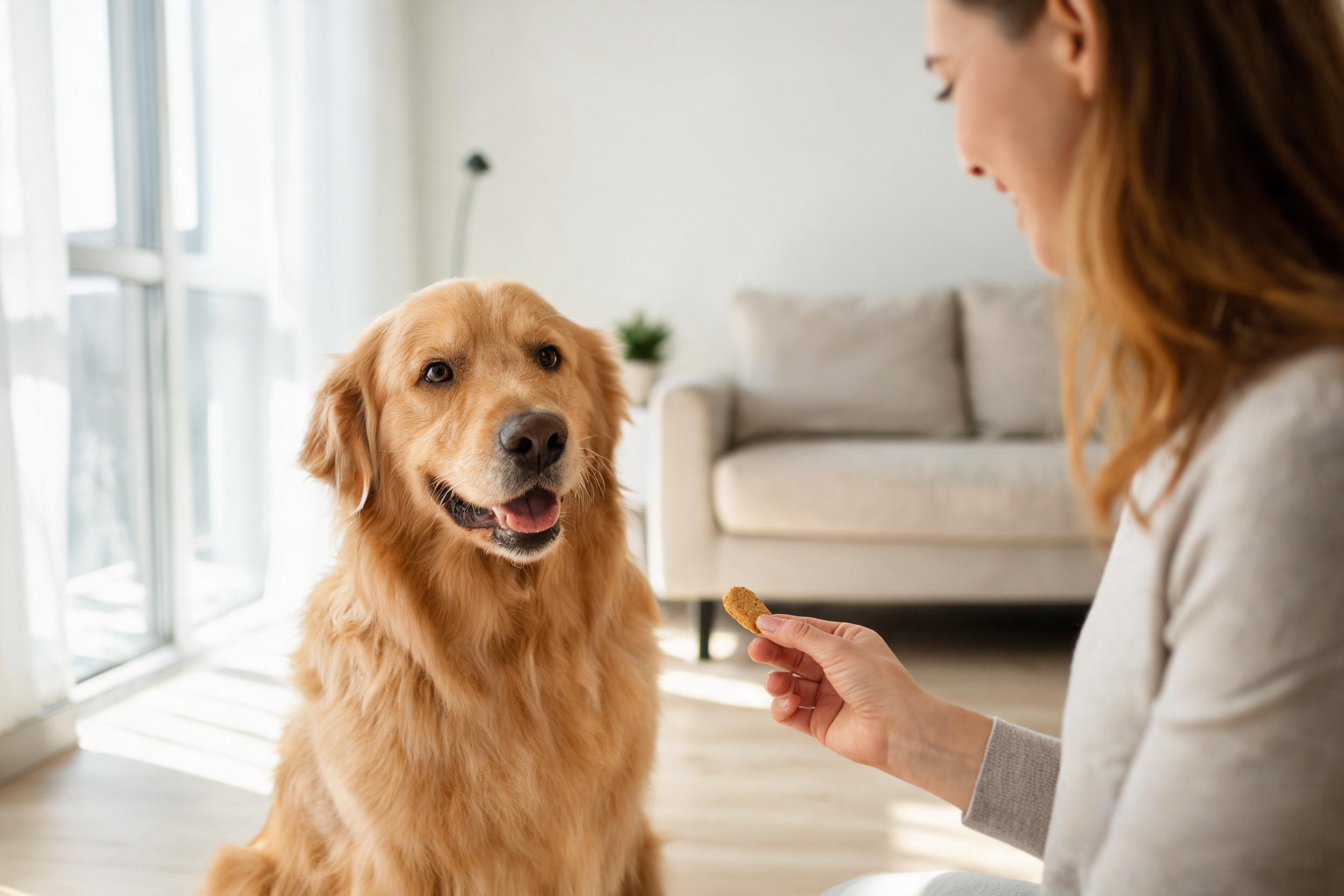
- The “Trade”: If they already have a hold of something they shouldn’t (like your sleeve), offer them a high-value toy or treat to “trade” for the forbidden item. This is much more effective than trying to pry the item from their mouth.
Step 3: Prioritize Your Puppy’s Basic Needs
Many biting episodes are a direct result of unmet biological needs.
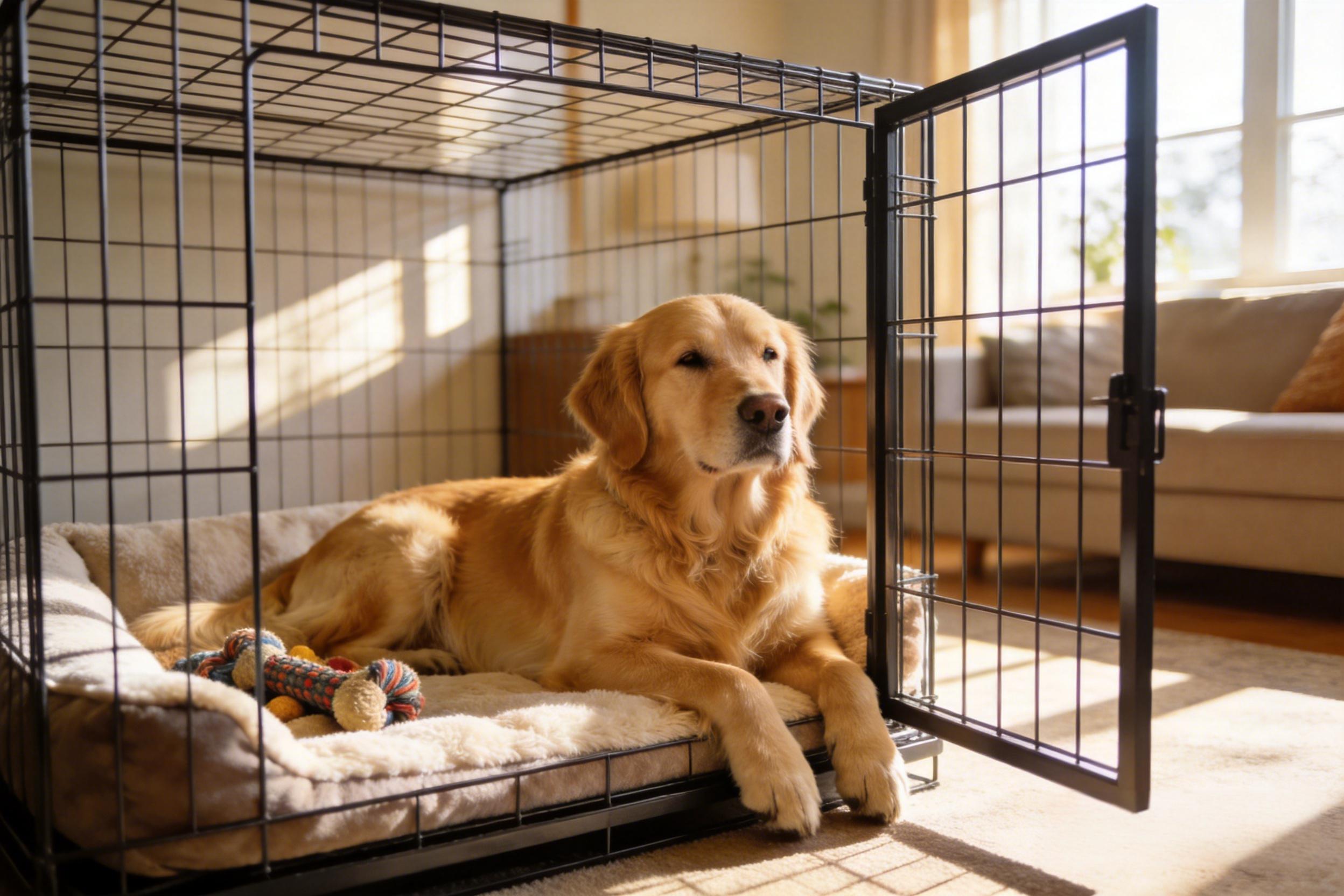
- Sleep: An overtired puppy is a bitey puppy. Enforce a strict sleep schedule. For every 1-2 hours of wakefulness, your puppy should have a 1-2 hour nap in a quiet, safe space like a crate or pen. If you see “zoomies” or frantic biting, it is often a sign they need a nap.
- Mental and Physical Stimulation: Ensure your puppy is getting the right amount of mental and physical exercise for their age.
- Consistent Meals: Like humans, hunger can make puppies irritable. Ensure they are on a consistent feeding schedule.
Step 4: Enforce Gentle Play and “No Hands as Toys”
- Never Use Hands for Rough Play: This teaches the puppy that biting human skin and clothing is an acceptable game.
- Use Toys as an Extension of the Game: If you want to wrestle, do it with a tug toy. This allows you to play roughly and satisfy their predatory instincts without sacrificing your fingers.
Product Comparison: Choosing the Right Chew Toy
| Toy Type | Best For | Pros | Cons |
|---|---|---|---|
| Rubber Chews | Heavy chewers, teething relief, mental stimulation | Extremely durable, can be stuffed with food for long-lasting engagement | Can be messy with stuffing; may be too hard for very young pups |
| Rope Toys | Interactive play (tug-of-war) | Great for bonding, helps with dental health (flossing action) | Can fray and become a choking hazard (supervise and replace); not a solo chew toy |
| Edible Chews | Redirecting biting during teething | Comes in flavors puppies love, provides an immediate distraction | Can be consumed quickly; monitor for digestive upset |
| Plush/Stuffed Toys | Comfort, gentle play | Soft, good for cuddling, low risk of dental damage | Not durable; a choking/swallowing hazard if stuffing is ingested |
| Scented Toys | Attracting the puppy’s interest | Puppies may engage more readily, providing a longer-lasting distraction | Scent can fade; may not be as durable as rubber options |
Recommended Products for Your Puppy’s Toolkit
See the comparison cards below for our top picks across stuffable chews, redirection variety, and interactive tug play.
FAQ
1. When do puppies typically stop biting?
Most puppies begin to significantly reduce their mouthing and biting behavior between three to five months old. The full process often coincides with the completion of teething, around six to seven months of age. It doesn’t magically stop overnight; you will see a gradual decrease as they learn proper bite inhibition.
2. Is my puppy’s biting aggressive?
Almost certainly not. True aggression in puppies is rare. What you are experiencing is almost always play-biting, teething, or overexcitement. Play-biting is usually accompanied by a loose, wiggly body and a “play bow.” If your puppy is stiff, growling with a deep, threatening tone, and has a hard stare, seek immediate professional help.
3. What should I do when my puppy bites me in a way that really hurts?
Stay calm and consistent. Do not pull your hand away quickly, as this can trigger a prey-chase instinct and make the biting worse. Use your time-out strategy immediately: say “Oops,” stop playing, and remove your attention by standing up and turning away or leaving the room for 5-10 seconds. Always offer an appropriate chew toy as an alternative when you return.
4. How do I manage puppy biting around my children?
Supervision is non-negotiable. Children can be unpredictable and move quickly, which excites and triggers a puppy’s chasing and biting instincts. Teach children to be calm and gentle, and always facilitate safe, calm interactions. If a child is playing, ensure the puppy has a toy to bite instead of their hands or clothing.
5. Are there things I should avoid when trying to stop puppy biting?
Yes. Never hit, tap, or yell at your puppy for biting. This erodes trust and can confuse or frighten the puppy, potentially making the behavior worse or leading to fear-based aggression. Also avoid playing rough with your hands and feet, and don’t chase your puppy if they grab something they shouldn’t — this turns it into a game of “keep away.”
Conclusion
Surviving the “land shark” phase is a rite of passage for every new puppy owner. By understanding the why behind the behavior and consistently applying the strategies of redirection, time-outs, and ensuring your puppy’s needs are met, you will successfully guide your furry friend through this stage. Patience and consistency are the keys to a well-mannered adult dog.
Disclaimer: This article is for informational purposes only. If your puppy shows signs of true aggression (stiff body, deep growling, hard stare), consult a veterinarian or certified behaviorist.