Short Summary: Leash pulling is the most common dog walking complaint, but with the right techniques — and the right equipment — it is entirely solvable. This guide provides a modern, science-backed approach to loose-leash walking, helping you understand your dog’s behavior and transform stressful walks into enjoyable bonding time.
Why Leash Training Matters: The Problem Explained
If your daily dog walk feels more like a high-intensity arm workout than a relaxing stroll, you are not alone. Pulling on the leash is the single most common complaint among dog owners, and it is also one of the most misunderstood. Many owners search for “leash training dog tips” because they are frustrated, embarrassed by their dog’s behavior, or worried about their dog’s safety. This frustration is valid; a pulling dog is not just an annoyance — it’s a safety hazard that can lead to escapes, injuries, or negative interactions with other dogs and people.
The core of the problem often lies in a misunderstanding of why dogs pull. Your dog is not trying to dominate you or assert their “alpha” status. They are moving toward things they find interesting, and you happen to be attached. Every time your dog lunges toward a fire hydrant, another dog, or a discarded french fry and gets to reach it, they have learned that pulling produces access to the thing they want. This is known as a reinforcement cycle, and it’s powerful because it is rewarded by the environment itself.
Adding to the complexity, a dog’s natural pace is often faster than a human’s, so they naturally walk to the end of the leash. Training isn’t just about stopping bad behavior; it’s about teaching your dog that staying near you is more rewarding than pulling ahead. Furthermore, what many owners mistake for sheer stubbornness can sometimes be a symptom of leash reactivity — a stress response to triggers like other dogs, bikes, or people. This requires a different, more nuanced approach than simple leash training.
Redefining Loose Leash Walking
In 2026, the most effective approach to leash training is shifting away from outdated concepts of dominance and toward a more nuanced understanding of canine behavior. The key is separating loose leash walking from the formal heel command. A heel is a precise obedience position where your dog walks directly at your side, requiring intense, sustained focus. It is mentally taxing and unrealistic to expect for an entire 30-minute walk.
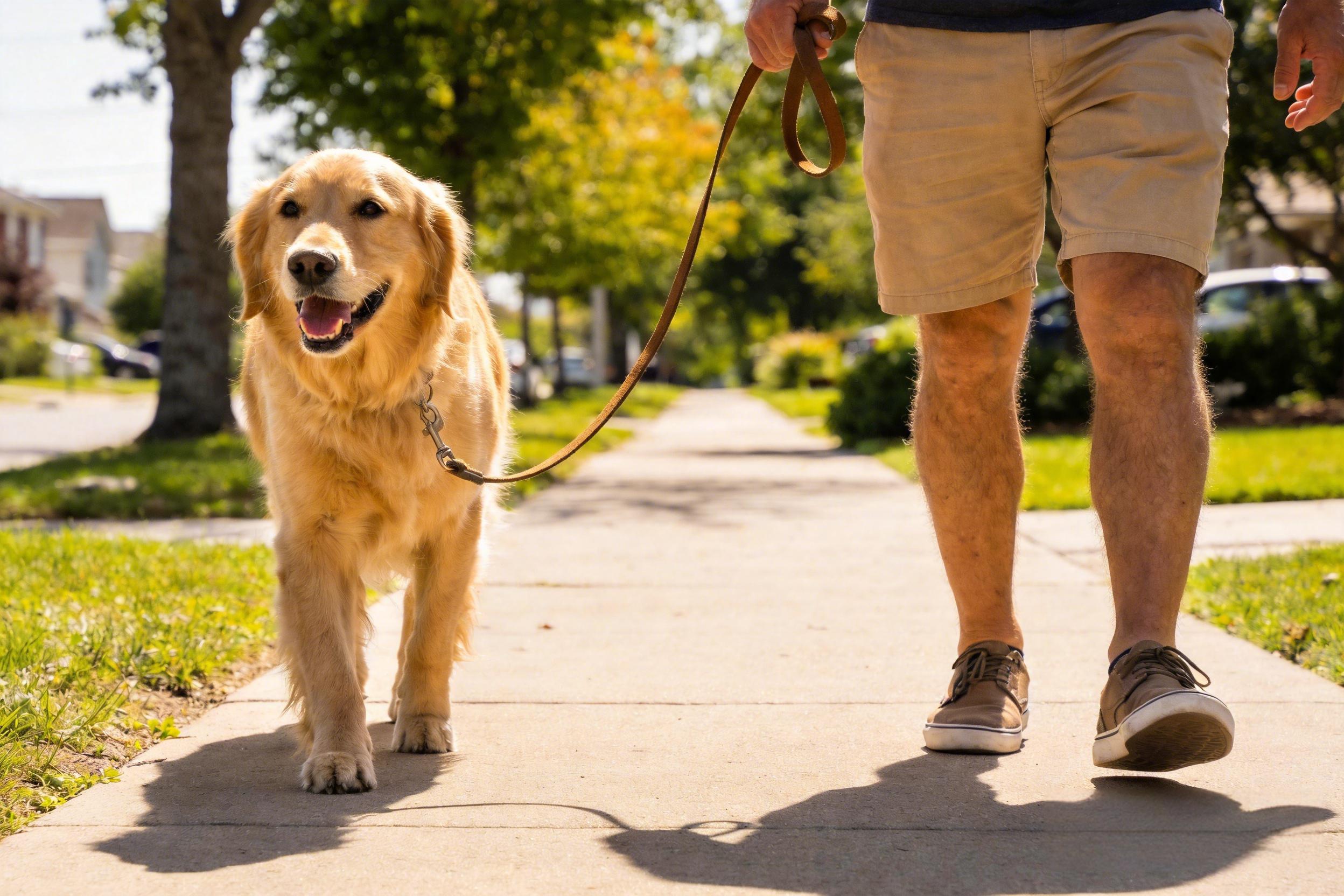
Loose leash walking, in contrast, is a much more reasonable and achievable standard. The rule is simple: the leash must have slack in it. Your dog can walk in front of you, beside you, or slightly behind. They can sniff and explore, as long as they don’t pull you toward the next smell. This distinction is critical because it sets your dog up for success.
Foundational Principles for Success
Consistency Is Key
The most important factor in successful leash training is consistency. If you only enforce loose-leash rules on days you feel like training, your dog learns that pulling sometimes works. For the training to be effective, you must apply the same rules on every single walk, no matter how long or short.
Start Indoors, Then Generalize
One of the biggest mistakes owners make is trying to train a dog in a highly distracting environment from the start. Begin your training sessions in a quiet room with no distractions, like your living room, where your dog can focus on you and learn that a loose leash is rewarding. Once your dog can walk reliably on a loose leash in a low-distraction environment, slowly introduce challenges by moving to the backyard, then a quiet sidewalk, and eventually to busier areas. This process of “generalization” teaches your dog to apply their skill in new contexts.
Positive Reinforcement Over Punishment
Modern, effective leash training relies on positive reinforcement. This means rewarding the behaviors you want to see (like a loose leash) and making pulling unrewarding. Avoid tools that rely on pain or discomfort, such as prong collars, choke chains, or shock collars. These tools suppress pulling through fear and can create negative associations with walks, potentially leading to fear-based aggression or leash reactivity. The goal is to build a positive relationship and teach your dog to want to walk near you.
Step-by-Step Training Solutions
1. The “Be a Tree” Method
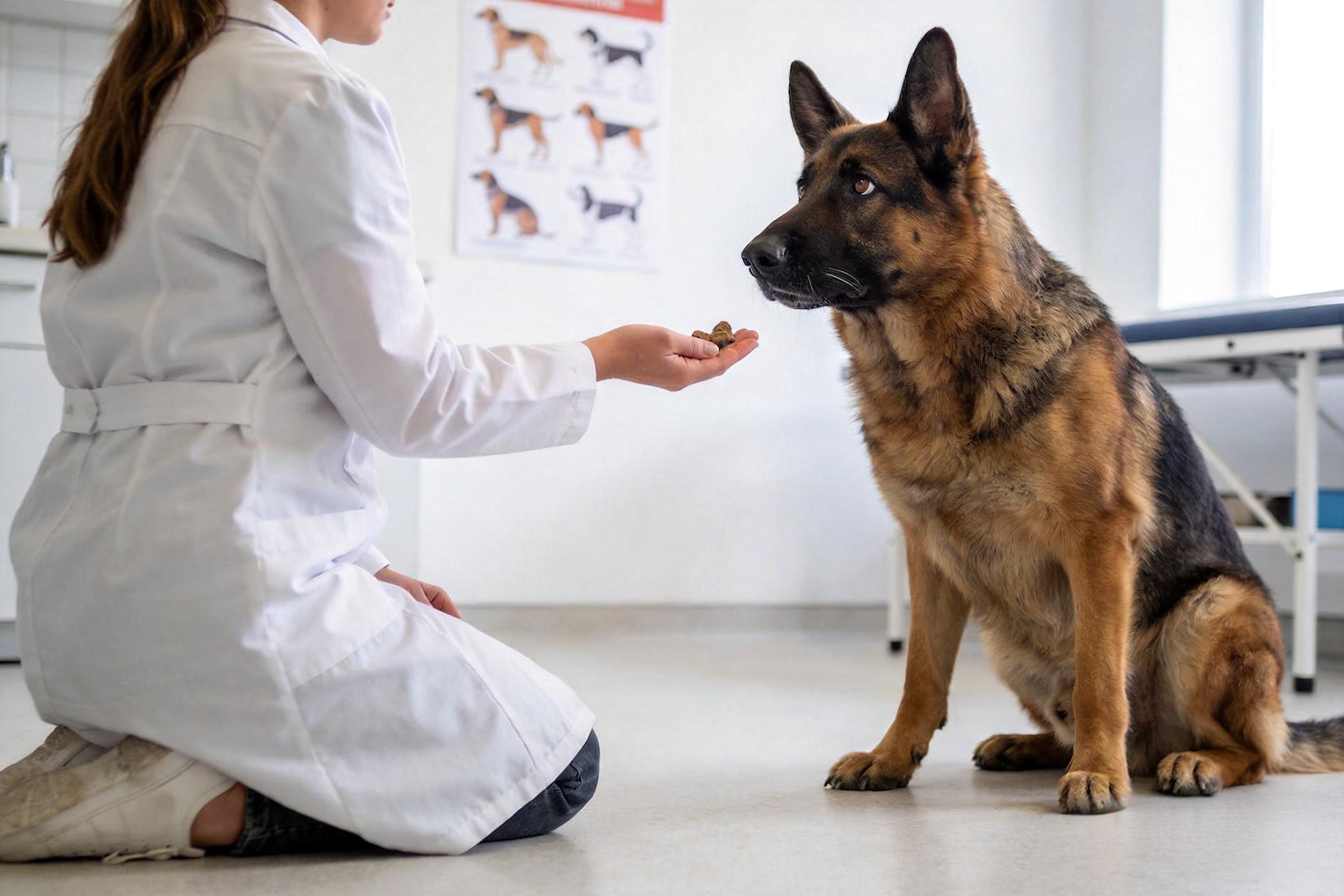
When your dog pulls and the leash becomes taut, simply stop moving. Do not yank the leash back or say anything. Just stand still and become a tree. Wait for your dog to take a step back toward you, turn to look at you, or otherwise create slack in the leash. The moment the leash goes loose, mark the behavior with a “yes!” or a clicker, and reward them with a treat. Then, you can resume walking. Your dog will quickly learn that a tight leash stops all forward progress.
2. The Spontaneous Direction Change
For dogs that are less responsive to simply stopping, a sudden U-turn can be more effective. When your dog is pulling ahead, without warning, change direction and walk the other way. Do this smoothly without jerking the leash. Your dog will be forced to follow you. When they catch up and the leash is loose, mark and reward. This technique teaches your dog to pay attention to your movements, rather than assuming they know where you’re going.
3. Master the Doorway
Training starts before you even step outside. Put your dog in a “sit” position at the door. If they lunge or pull as you open it, close the door and try again. Reward them for calm behavior and eye contact before you give the “okay” to go through the door. This establishes a calm state of mind before the walk even begins.
4. Address Leash Reactivity
If your dog’s pulling is accompanied by barking, lunging, or growling at triggers, you are dealing with leash reactivity. The goal is to change your dog’s emotional response to the trigger. Find a distance at which your dog notices the trigger but is not yet reacting — this is their threshold. When they see the trigger, immediately start feeding them high-value treats before they can react. Continue feeding until the trigger passes. This process, known as counter-conditioning, helps your dog form a new, positive association with the trigger.
Product Comparison: Choosing the Right Harness
| Harness Model | Key Feature | Best For | Pros | Cons |
|---|---|---|---|---|
| PetSafe Easy Walk | Front-clip design that discourages pulling | Everyday pulling for medium to large dogs | Easy to put on, affordable, vet-recommended | Can slip on narrow-chested dogs; front clip only |
| 2 Hounds Design Freedom | Double-connection leash (front & back) for maximum control | Reactive dogs and escape artists | Dual-connection leash included, velvet-lined for comfort | Takes practice to clip the dual leash; not for dogs under 14 lbs |
| Rabbitgoo No-Pull Harness | Dual-clip (front & back) and great padding | Budget-conscious owners for dogs of all sizes | Affordable, comfortable, excellent value | More straps to manage; some sizes run large |
| Julius-K9 IDC Powerharness | Extremely durable and comfortable for large, powerful dogs | Large, strong breeds and working dogs | Built-in handle for control, durable hardware | Does not discourage pulling as effectively as front-clip options |
| Blue-9 Balance Harness | Six adjustment points for a custom fit | Dogs with unusual body shapes | Lightweight, perfect fit for deep-chested or narrow dogs | Thinner straps, less padding; not for very strong pullers |
Important Note: A harness is a tool, not a solution. A “no-pull” harness will assist in your training by making pulling less comfortable and giving you more control, but it must be combined with the training techniques described above to achieve long-term success.
Recommended Products
See the comparison cards below for our top picks across everyday use, reactive dogs, and unusual body shapes.
FAQ
1. How long does it take to leash train a dog?
Most dogs show noticeable improvement within two to three weeks of consistent daily practice. However, building a reliable loose-leash walk across various environments typically takes one to three months. The timeline depends on your dog’s age, breed, history with pulling, and your consistency.
2. What is the best age to start leash training a puppy?
You can start as early as 8 weeks old by getting your puppy used to wearing a collar or harness in short, positive play sessions. Formal outdoor walks should generally wait until after they have completed their core vaccination series, commonly around 12-16 weeks. Always consult your vet for the safest timing based on your location.
3. Should I use a harness or a collar for a dog that pulls?
For training, a front-clip harness is the best option. It reduces pulling force, protects your dog’s neck from collar pressure, and gently redirects them toward you when they pull. Avoid retractable leashes, prong collars, and choke chains, which can cause injury and teach your dog to pull harder.
4. My dog only pulls when they see other dogs. What should I do?
This is often a symptom of leash reactivity. The best approach is to create distance, use high-value treats to reward your dog for looking at the other dog and then looking back at you, and consistently practice counter-conditioning. Never punish them for reacting, as this can make the fear or frustration worse.
5. What is the difference between “loose leash walking” and “heel”?
Loose leash walking is the goal for your average walk: your dog can sniff and explore as long as the leash has slack in it. Heel is a formal, structured command where your dog walks directly at your side in a precise position. Heel is mentally demanding and should only be used for short periods, not for an entire walk.
Conclusion
Transforming your daily walks from a tug-of-war into a peaceful bonding experience is one of the most rewarding things you can do for your relationship with your dog. It takes patience, consistency, and the right approach, but the payoff is immense. By understanding the “why” behind the pulling and implementing the positive, step-by-step techniques in this guide, you and your furry companion will be on the road to stress-free adventures in no time.
Disclaimer: This article is for informational purposes only. Consult a certified trainer for persistent leash reactivity or aggression-related pulling.