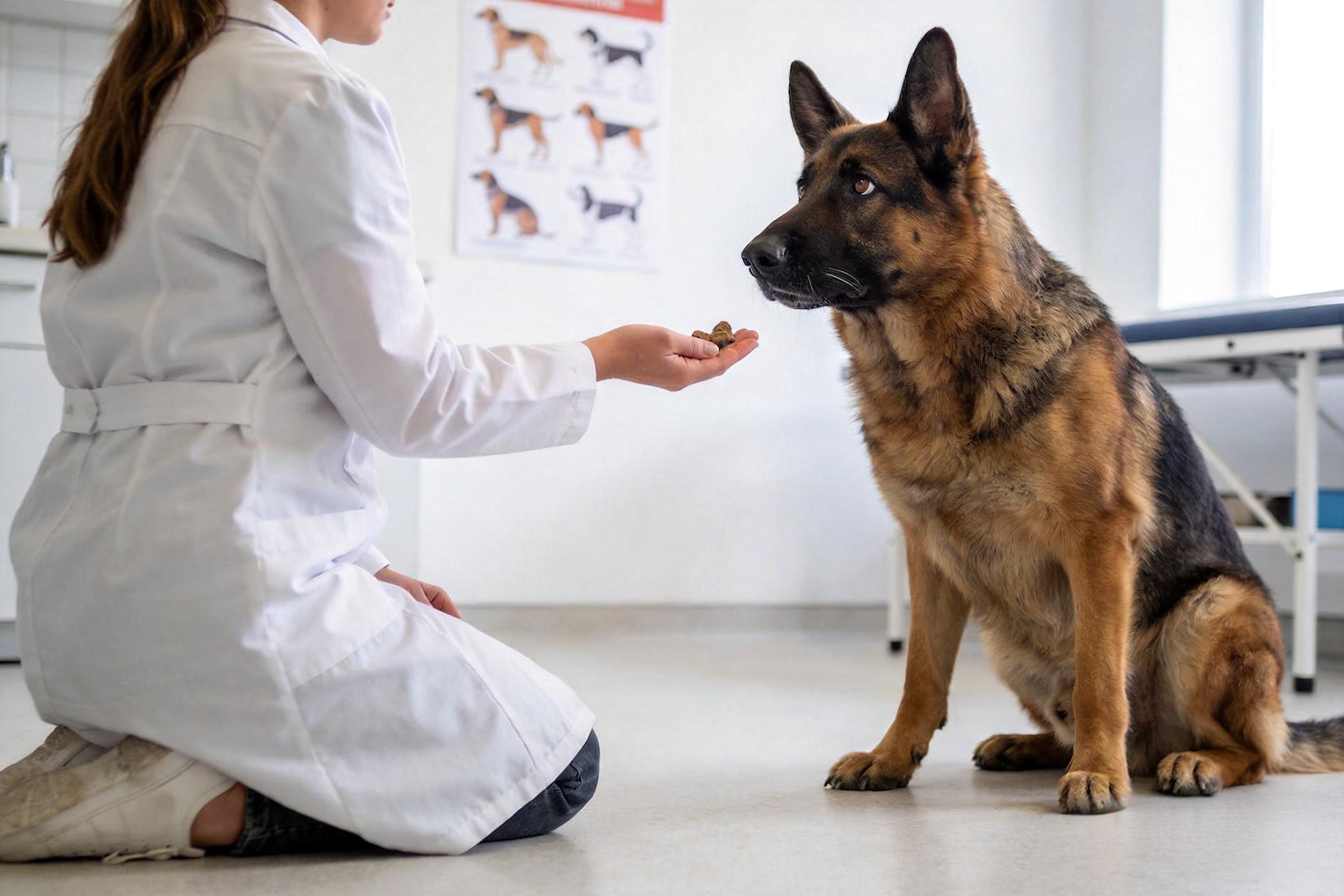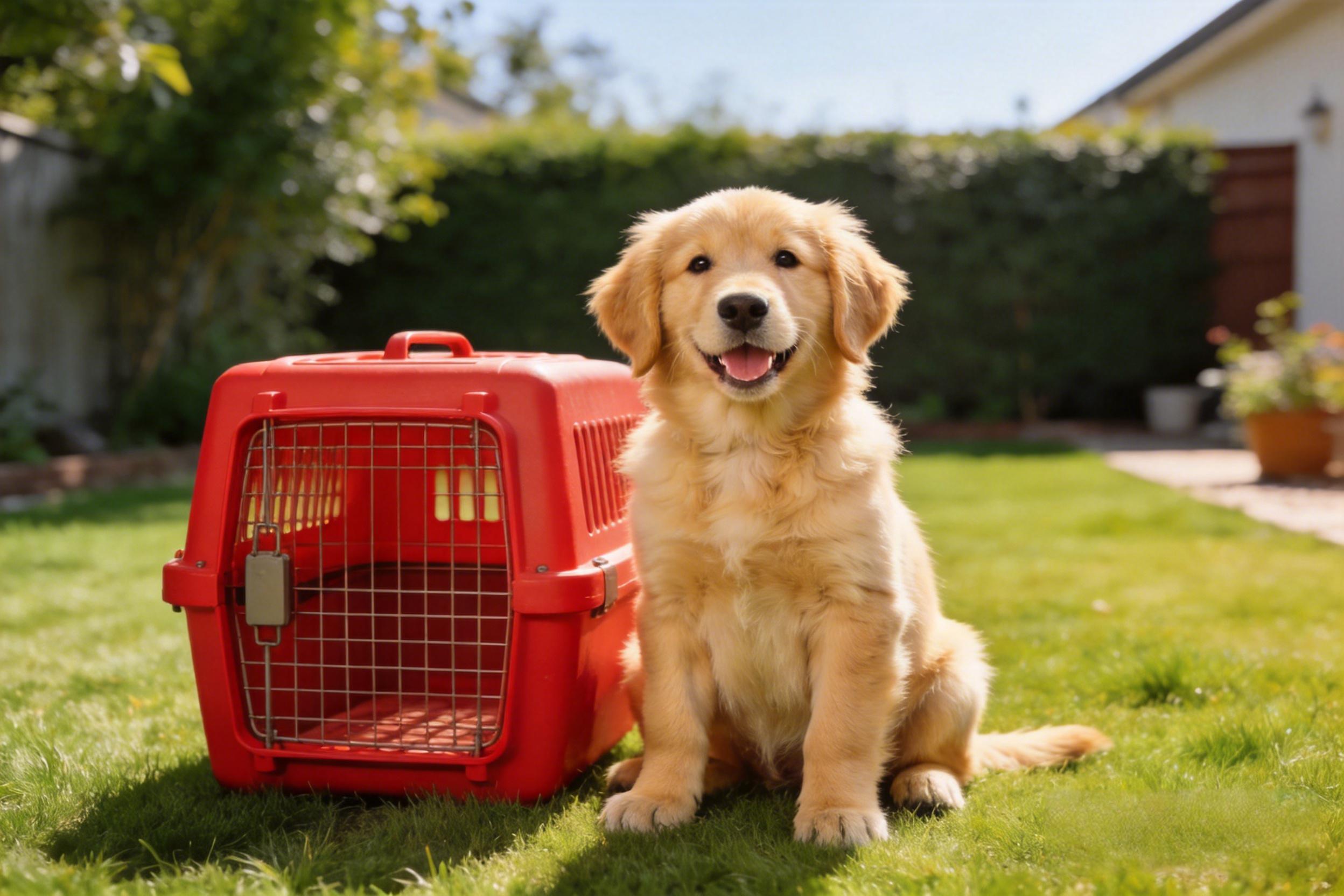
Short Summary: Potty training a puppy is a crucial developmental milestone that requires patience, consistency, and an understanding of your puppy’s physical limitations. This comprehensive guide provides a modern, science-backed approach to housetraining, offering a step-by-step plan, product recommendations, and solutions for common challenges faced by US dog owners in 2026.
Why You’re Here: The Frustration of the “Puppy Blues”
If you’re searching for “how to potty train a puppy,” you’re likely in the thick of it — waking up at odd hours, scrubbing carpets, and wondering if your new furry friend will ever “get it.” This search is driven by a need for a clear, actionable plan to overcome one of the most common and stressful aspects of bringing a new puppy home. The goal isn’t just a clean house; it’s about establishing a foundation of communication and trust with your new companion. A successful housetraining experience reduces daily stress, prevents damage to your home, and is a primary way to build a cooperative and loving bond with your dog.
The 2026 Landscape of Puppy Potty Training
The approach to housetraining has evolved. In 2026, we understand that it’s not just about teaching a dog to “hold it” but about integrating training into a modern lifestyle. Many dog owners now live in apartments, work from home, or have complex schedules. Modern potty training emphasizes:
- Bladder Development: Understanding that a puppy’s physical ability to control their bladder is the primary limiting factor.
- Positive Reinforcement: Shifting away from punishment-based methods to build confidence and trust.
- Lifestyle Integration: Creating a routine that works for the dog and the owner, which is crucial for long-term success.
Understanding the Fundamentals
Why Traditional Punishment Fails
Punishing a puppy for an accident, especially after the fact, is counterproductive. Puppies have a very short memory for their actions; they do not associate the punishment with the act of eliminating indoors. Instead, they learn to be afraid of you or to hide when they need to go, which can make the problem worse. Rubbing a puppy’s nose in an accident is an outdated and harmful practice that destroys trust and creates anxiety. Positive reinforcement, where you reward the correct behavior, is the most effective and humane method.
The “1-Hour per Month” Rule and Its Nuances
A widely used rule of thumb is that a puppy can hold their bladder for roughly one hour for every month of age, plus one. For example, a two-month-old puppy can generally hold it for about three hours. However, this is a general guideline, not a strict rule. At night, this duration may be slightly longer due to lower activity levels. Key triggers for needing to go include:
- Immediately upon waking up (from any sleep).
- 5-20 minutes after eating or drinking.
- After active play or excitement.
- Before going to sleep at night.
Recognizing your puppy’s individual signals, such as circling, sniffing intensely, whining, or heading toward the door, is more reliable than simply watching the clock.
Section 1: The Biology and Psychology of Housetraining
When to Start: The Ideal Window
Begin potty training the moment you bring your puppy home, which is typically between 8 and 16 weeks of age. Delaying training simply allows the puppy to form bad habits that will be harder to break. At 8 weeks, a puppy has little to no bladder control and needs frequent trips outside. This early period is a critical window for learning routines.
Factors That Influence Training Success
- Breed and Size: Smaller breeds have smaller bladders and may need to go out more frequently.
- Age: Younger puppies have less physical control. Expect full, consistent control to emerge between four and six months of age.
- Health: Medical issues like urinary tract infections (UTIs) can mimic training problems and cause sudden accidents after a period of success.
- Consistency: A predictable schedule for feeding, sleeping, and potty breaks is non-negotiable. Inconsistency from multiple caregivers can confuse a puppy.
Emotional States and Accidents
Puppies don’t just eliminate out of physical need. Excitement urination is common when greeting people, and fear or stress can also trigger accidents. These are often involuntary actions, and scolding will only worsen the problem. To manage excitement urination, try to keep greetings calm. If a puppy is scared, take them to their potty area before visitors arrive to avoid a buildup of stress.
Section 2: A Step-by-Step Potty Training Schedule
Phase 1: The First 7 Days (The Foundation)
This intensive phase is crucial for establishing the routine and minimizing early accidents.
- Day 1 — Observation and Routine (Every 30-45 Minutes): Take your puppy to the designated potty spot every 30-45 minutes. Always use the same spot and a consistent verbal cue like “Go potty.” When your puppy eliminates, reward them immediately with a high-value treat and enthusiastic praise.
- Day 2 — Reinforce Timing: Focus on taking the puppy out after key events: eating, playing, and waking up. Watch closely for their pre-elimination signs (sniffing, circling).
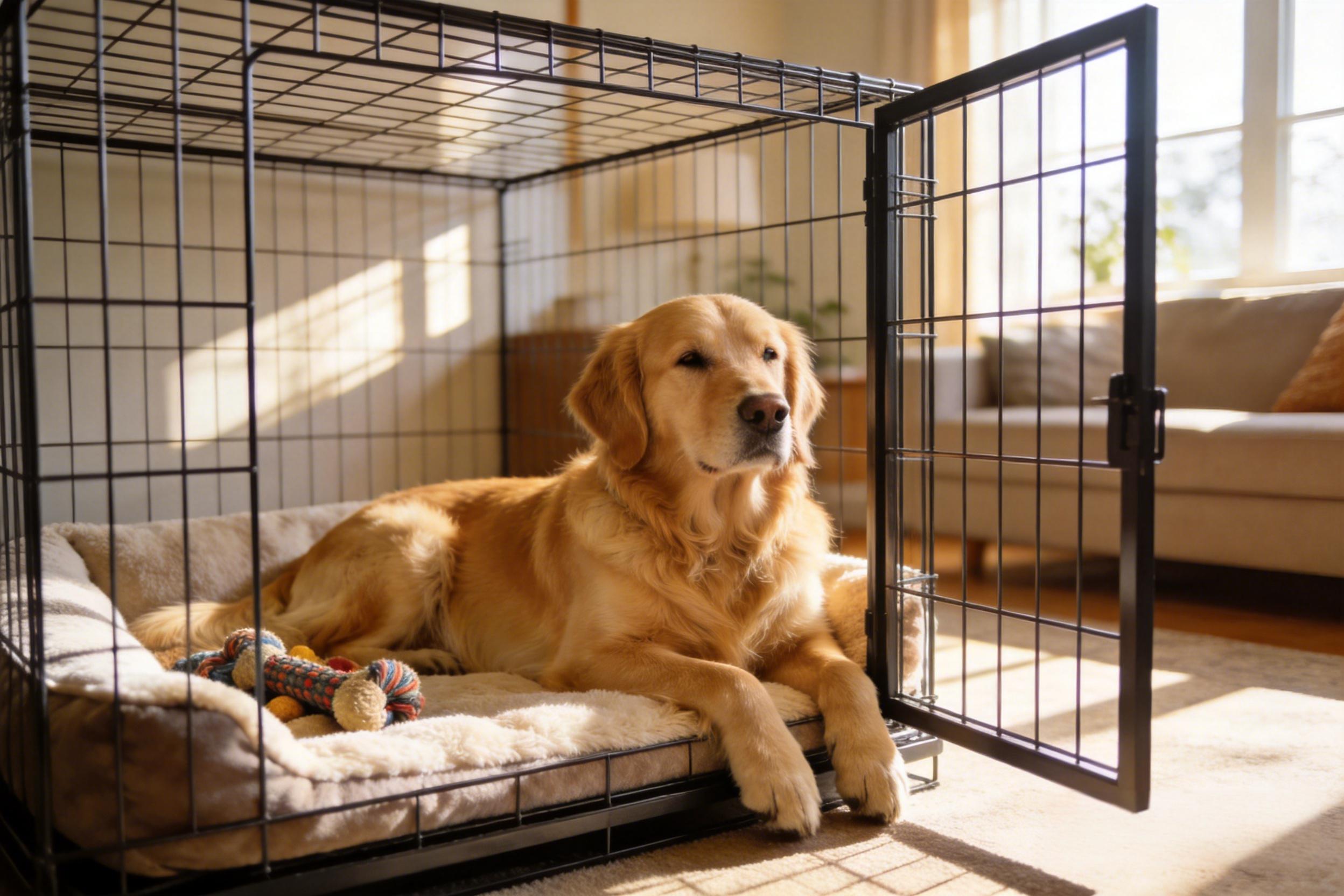
- Day 3 — Introduce the Crate: Start using a properly sized crate for short periods (30-60 minutes). Puppies naturally avoid soiling their sleeping area. Always take them to the potty spot immediately after they leave the crate.
- Day 4 — Increase Time Between Breaks: If your puppy is doing well, start spacing potty trips to every 60-90 minutes. Continue immediate trips after meals and naps.
- Day 5 — Reduce Accidents: Your puppy should be starting to show signals. Watch closely and take them out at the first sign. Consider introducing a bell on the door, ringing it each time you go out to teach them to signal.
- Day 6 — Practice in New Situations: Practice potty training with minor distractions — like having a visitor over or going for a short car ride. This helps them generalize the behavior beyond your home.
- Day 7 — Review and Adjust: By now, your puppy should understand the routine and have fewer accidents. This is a strong foundation, but not the end of the journey.
The 3-Day Intensive “Sprint” Method
For owners who can dedicate a full weekend to training, a 3-day intensive program can accelerate learning. This method relies on constant supervision and immediate feedback.
- Day 1 — Full Supervision: Keep your puppy on a leash with you at all times. Take them out every hour, immediately after waking, 10-15 minutes after meals, and after play. Reward success instantly.
- Day 2 — Strengthen the Association: Introduce a 10-15 minute window between breaks to test their growing control. Use the crate for short, supervised naps to build bladder strength. Continue to reinforce the “go potty” cue.
- Day 3 — Generalize and Slightly Extend Freedom: Allow more unsupervised access to areas where the puppy has been accident-free. Vary the potty spot slightly to teach them the cue applies in different outdoor settings.
The 3-day sprint works because it removes ambiguity, increases reinforcement, and tightens supervision, establishing a “no-fail” environment where the puppy learns what is expected very quickly.
The “Tether Method”
A 2026-specific insight is the “tether method,” which is gaining traction for its effectiveness. This involves keeping your puppy on a short leash tethered to you or a piece of heavy furniture in the room where you are spending the most time. This allows for constant supervision, prevents the puppy from wandering off to have an accident, and enables you to catch their pre-elimination signals instantly.
Section 3: Comparison of Potty Training Methods
| Method | Best For | How It Works | Key Advantage | Key Disadvantage |
|---|---|---|---|---|
| Outdoor-First | Owners with a yard and a predictable schedule | Taking the puppy outside to a designated spot at very frequent intervals | Teaches the puppy directly that outside is the only acceptable potty place | Can be difficult for owners in apartments or with long work hours |
| Pad Training | Apartment dwellers, owners with limited mobility | Using indoor training pads with a built-in attractant as the designated potty spot | Offers a convenient, controlled indoor area for relief | Risk of substrate confusion; puppy may have difficulty transitioning to outside-only later |
| Litter Box Training | Owners seeking a sanitary, entirely indoor solution | Using a specialized box filled with absorbent pellets or real turf | Very clean and manageable; good for urban living | May not be suitable for larger breeds; male dogs may lift their leg outside the box |
| Crate Training | All owners, as a core component of any plan | Using a correctly sized crate as a den to leverage the dog’s instinct to not soil their sleeping area | Teaches bladder control and provides a safe space for the puppy | Must be used humanely; never leave a puppy in a crate for too long |
Crate vs. Pen: A Nuanced Choice
While both are useful, understanding their different purposes is key. A crate is a den; it’s a small, enclosed space designed to be the puppy’s safe resting area. Its size prevents the puppy from having enough room to eliminate in one corner and sleep in another. An exercise pen is a larger, open enclosure. It provides more room to play and move around but is typically used in conjunction with training pads or artificial grass. A pen is excellent for giving a puppy supervised freedom when you can’t watch them every second, but it doesn’t teach bladder control in the same way a crate does.
Recommended Products for Potty Training Success
See the comparison cards below for our top picks across crates, cleanup, and signal training.
FAQ
1. How long does it actually take to potty train a puppy?
While significant progress can happen in the first week, daytime reliability typically takes 2-4 weeks. Full control, especially overnight, can take several months or more, depending on the puppy’s age, breed, and consistency of training.
2. What should I do when I catch my puppy having an accident indoors?
Interrupt them gently with a noise (like a clap) to startle them, but do not scare them. Immediately pick them up (if small) and take them to their designated potty spot. If they finish there, reward them. Never punish after the fact; the puppy will not understand why you are angry.
3. How often should a 10-week-old puppy go potty at night?
A 10-week-old puppy can usually hold its bladder for about 2-3 hours at night. It is recommended to set alarms to take them out at least once or twice during the night to prevent accidents and reinforce the schedule.
4. Is it okay to use puppy pads?
Yes, they can be a useful tool, especially for apartment dwellers or during extreme weather. However, be aware of “substrate confusion” — your puppy may learn to prefer the soft, indoor surface of the pad and have difficulty transitioning to going outside on grass. The goal should be to phase them out as the puppy’s bladder control improves.
5. My puppy was doing well, but now is having accidents again. What’s wrong?
A sudden regression can be a sign of a medical issue, such as a urinary tract infection. It could also be due to stress, a change in routine, or the puppy simply being given too much freedom too quickly. If a medical cause is ruled out by a vet, return to the basics of the training schedule and supervision to get back on track.
Conclusion
Potty training your puppy is one of the most significant investments you can make in your relationship. It requires patience, consistency, and the right knowledge, but the reward — a reliable, happy, and well-adjusted companion — is immeasurable.
Disclaimer: This article is for informational purposes only. Consult a certified trainer or your veterinarian for persistent housetraining issues or sudden behavioral changes.