Short Summary: Dog separation anxiety is a common yet distressing behavioral disorder, but it is highly treatable with the right approach. This guide provides a comprehensive, veterinarian-informed plan for 2026, integrating proven behavior modification with the latest advancements in treatment, including the newly FDA-approved medication tasipimidine, to help your dog feel safe and secure when left alone.
Why This Matters Now More Than Ever
If you’ve ever returned home to a destroyed couch, frantic neighbors complaining about howling, or puddles on the floor, you know the heartbreak and frustration of dog separation anxiety. You are not alone. The reality is that separation anxiety is a complex fear-based behavioral disorder, not a sign of spite or disobedience. As we move through 2026, the landscape of treatment has evolved significantly, offering more effective and scientifically backed solutions than ever before.
Understanding the Problem: It’s a Panic Attack, Not a Protest
When a dog with separation anxiety is left alone, they experience genuine distress. It’s not about being “mad” you left; it’s a full-blown panic response. Understanding this distinction is the first and most crucial step in finding a lasting fix. This isn’t about training your dog to be “good”; it’s about teaching them to feel safe.
What Is Canine Separation Anxiety?
Separation anxiety is a behavioral disorder where a dog exhibits extreme distress and anxiety when separated from their primary attachment figures. It is one of the most common behavioral issues veterinarians and veterinary behaviorists see. This anxiety triggers a powerful stress response that can manifest in a range of destructive and concerning behaviors.
Why Fixing It Matters
Untreated separation anxiety is not just a nuisance; it’s a welfare issue. The distress your dog feels is real and harmful to their mental and physical health. It can lead to self-injury from attempts to escape, chronic stress which weakens the immune system, and can put a significant strain on the human-animal bond.
A Dual-Pronged Approach
The unique insight for 2026 is the recognition that a multi-modal approach is no longer just recommended — it’s the gold standard. This means combining behavior modification with pharmacological intervention when necessary.
In May 2026, the FDA approved tasipimidine oral solution, the first-ever drug approved for the treatment of both noise aversion and separation anxiety in dogs. This approval represents a major shift in how we can approach these fear-based conditions, moving beyond solely behavior modification or anti-anxiety medications that were previously used off-label.
Section 1: The Tell-Tale Signs and Contributing Factors
Before you can fix the problem, you must confirm it is, in fact, separation anxiety. Other issues, like boredom, lack of house-training, or territorial behavior, can look similar.
Symptoms of Separation Anxiety
- Vocalization: Excessive barking, howling, or whining that begins shortly after you leave.
- Destructive Behavior: Chewing, scratching, or digging at doors, windows, or other exit points. This is often an attempt to escape and reunite with you.
- Inappropriate Elimination: Urinating or defecating in the house even if they are perfectly house-trained.
- Pacing and Trembling: Repetitive pacing in a specific pattern or shaking/trembling.
- Panting and Drooling: Excessive salivation or panting that isn’t related to heat or exercise.
A key differentiator is that these behaviors occur exclusively (or are much worse) when the dog is left alone. If they exhibit the same behaviors when you’re present, the issue may be different. “Confinement anxiety,” where the distress happens specifically when crated, is a related but distinct condition.
Factors That Contribute to Separation Anxiety
- Genetics and Predisposition: Some dogs are simply more prone to anxiety due to their genetic makeup.
- Loss or Change: The loss of a family member, moving to a new home, or a drastic change in schedule are common triggers.
- Trauma: Dogs with a history of abandonment (like rescues from shelters) are at higher risk.
- Lack of “Safe Haven” Training: Dogs that don’t have a designated, secure place where they feel comfortable are more vulnerable.
Section 2: A Comprehensive Fix
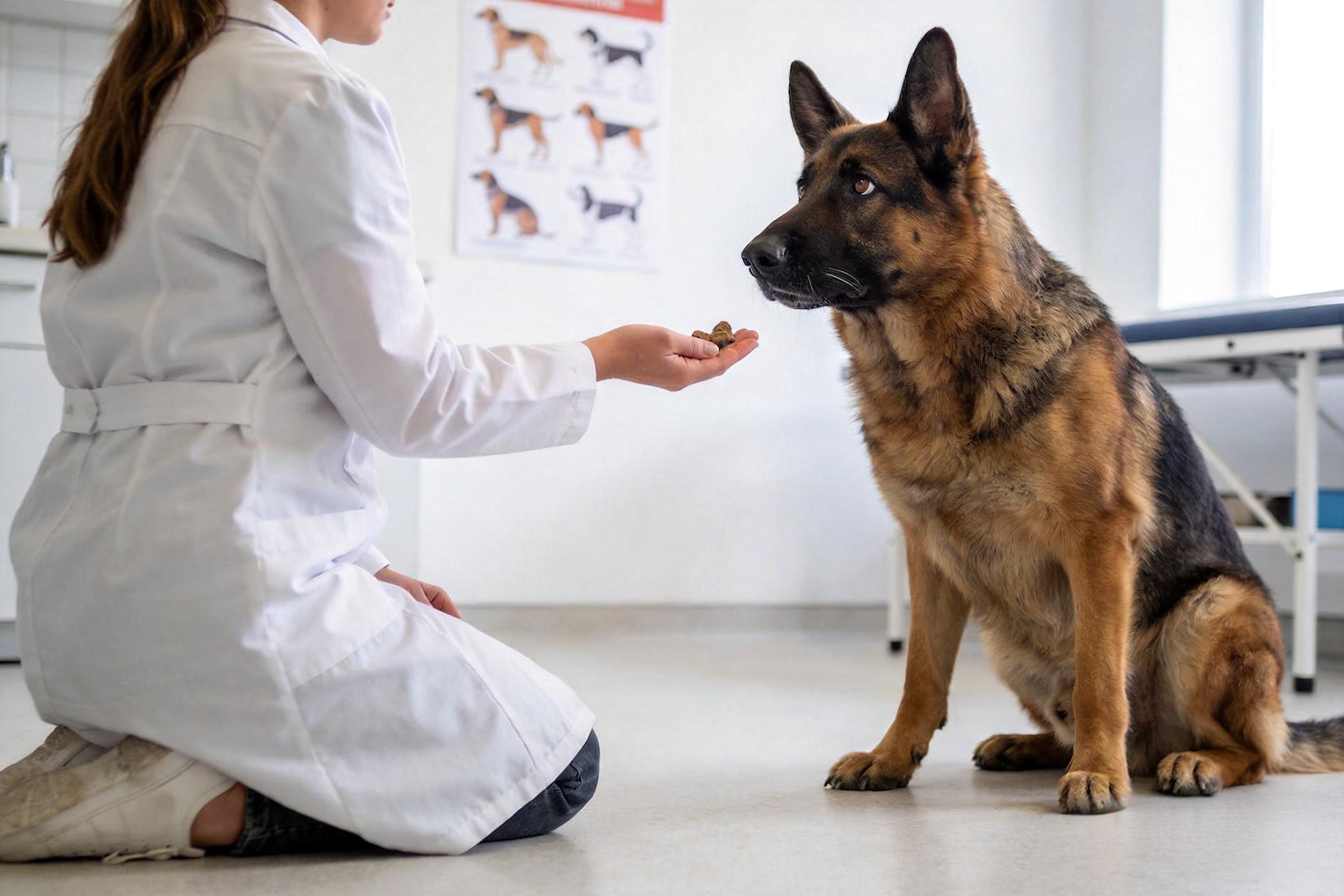
1. First Steps: The Veterinary Visit
Do not attempt to self-diagnose and treat a severe case. The first and most critical step is a full check-up with your veterinarian. They can rule out underlying medical conditions that might be causing the behavior and provide a definitive diagnosis.
2. Core Behavior Modification Techniques
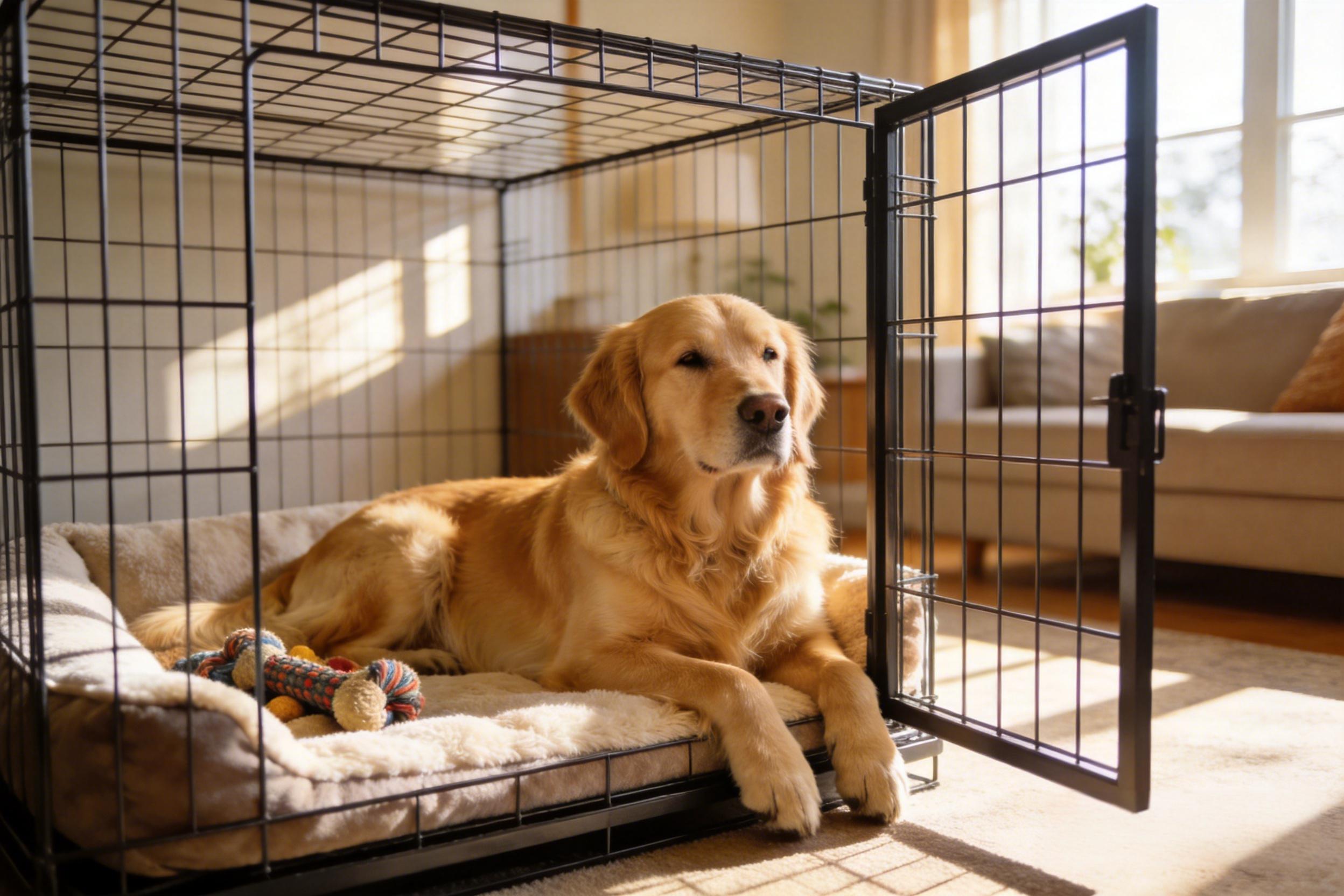
- Creating a “Safe Haven”: This involves designating a specific space (a bed, a mat, or a crate) as a sanctuary where your dog always receives positive things — high-value treats, puzzle toys, and calm praise. This is not a punishment area. It should be introduced and used while you are home long before you leave for work.
- Graduated Departures: This technique involves desensitizing your dog to your departure cues. Start by putting on your coat or picking up your keys, but don’t leave. Then, step out the door for a second and come right back. Gradually, over many sessions, increase the time you are gone. This must be done at your dog’s pace — pushing them too fast can set back your progress.
- Crate Training Done Right: Crates can be a wonderful safe haven, or a source of extreme stress. If you choose to use a crate, it must be a positive place. Never force your dog into a crate. Leave the door open, toss treats inside, and let them explore. Start with short sessions in the crate while you are home. If your dog shows signs of confinement anxiety (panicking in the crate even when you are home), the crate is not the right choice for them right now.
- Environmental Enrichment: Before you leave, give your dog a high-value, long-lasting distraction. A Kong toy stuffed with peanut butter and frozen overnight is a classic for a reason. It provides a positive association with your departure and keeps them occupied during the critical first few minutes.
3. Medication as a Tool
For many dogs, behavior modification alone is not enough. The fear and panic are so intense that they cannot learn new, calmer behaviors. This is where medication can be a life-changing tool, used under veterinary supervision.
- FDA Approval of Tasipimidine: This is the big news for 2026. Tasipimidine was specifically approved for the treatment of separation anxiety and noise aversion in dogs. It acts on the central nervous system to reduce the “fight-or-flight” response, helping dogs feel calmer during stressful events.
- How It’s Used: It’s administered orally, typically about one hour before you leave the dog alone. Crucially, it must be given without food (except for a tiny treat to ensure swallowing) as food can delay its absorption.
- Why It’s Different: It’s the first drug to be FDA-approved for both conditions, signaling a shift in veterinary medicine towards effectively managing fear-based behaviors. It is a prescription product, meaning your veterinarian must diagnose your dog’s condition and determine if this is the right course of action.
- In the Meantime: Your vet may prescribe other medications like clomipramine or discuss other options while newer treatments become widely available.
4. Other Supportive Solutions
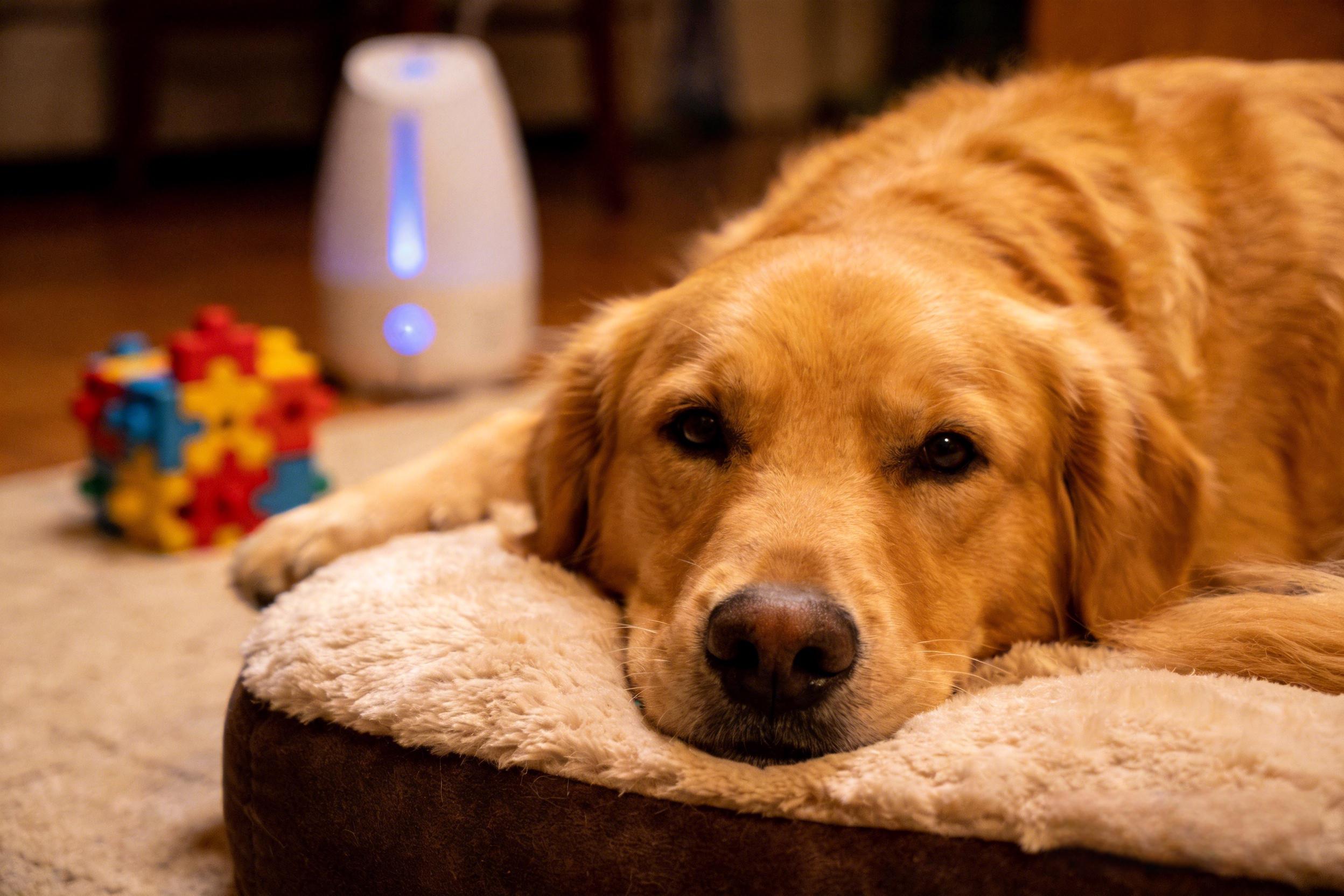
- Pheromone Diffusers and Collars: Products release synthetic pheromones that can have a calming effect on dogs.
- Calming Supplements and Treats: Several over-the-counter products can help with mild anxiety or as an adjunct to a veterinary plan. Look for those with ingredients like L-tryptophan, chamomile, valerian root, and ashwagandha.
- Calming Sprays: Herbal sprays with ingredients like lavender, valerian, and passionflower can be sprayed on your dog’s bedding or in the environment to promote relaxation.
Section 3: Comparison of Key Fixes
| Approach | How It Works | Effectiveness | Best For |
|---|---|---|---|
| Graduated Departures & Behavior Modification | Changes the dog’s emotional response to departure cues through desensitization and positive reinforcement | High, but requires significant time, consistency, and patience | All dogs — the essential foundation for any treatment plan |
| Tasipimidine (prescription) | An alpha-2 adrenoceptor agonist that reduces “fight-or-flight” sympathetic nervous system activity | High for acute, predictable events when used as prescribed | Dogs with moderate to severe anxiety where behavior modification alone is insufficient |
| Prescription Medications (e.g., clomipramine) | Chronic anti-anxiety medications that affect neurotransmitters to regulate mood over time | High, but may take weeks to become fully effective | Dogs with severe, daily anxiety requiring a constant, stable level of medication |
| Calming Treats/Supplements | Use ingredients like CBD, L-tryptophan, chamomile, and valerian root to promote relaxation | Moderate — effective for mild anxiety or as a supportive measure | Dogs with mild anxiety or used alongside a veterinary-approved plan |
| Pheromone Diffusers/Sprays | Release synthetic calming pheromones to create a sense of security in the environment | Low to moderate — best used as a supportive tool | All dogs, particularly as part of a broader safe-haven strategy |
Recommended Products to Support Your Plan
See the comparison cards below for our top picks across daily calm, non-CBD support, and environmental calming sprays.
FAQ
1. How long does it take to fix dog separation anxiety?
There is no fixed timeline. With consistent behavior modification, you might see noticeable improvements in weeks, but for severe cases, it can take months or even years. The key is patience — the goal is to change a deep-seated emotional response, which is a slow process.
2. Is it ever too late to treat separation anxiety in an older dog?
Absolutely not. While the behavior may be well-ingrained, dogs are capable of learning and adapting at any age. Treatment may take longer and require more patience, but it is never hopeless. A thorough veterinary exam is especially important for older dogs to rule out pain or cognitive decline that may be contributing.
3. My dog is destructive when I leave. Should I use a crate?
This depends entirely on your dog. If your dog sees the crate as a safe haven, it can be a great tool. However, if your dog has “confinement anxiety,” caging them will only intensify their panic, leading to dangerous attempts to escape and potential injury. Do a simple test: if your dog is calm and happy to enter the crate while you’re home, it’s likely a good option. If they panic, the crate is not for them.
4. What is the new FDA-approved medication for dog anxiety?
The medication is tasipimidine oral solution, approved in May 2026 as the first FDA-approved drug for treating both noise aversion and separation anxiety in dogs. It is a prescription drug administered about one hour before the dog is left alone, and it works by calming the dog’s “fight-or-flight” response.
5. Can I treat my dog’s separation anxiety with over-the-counter calming treats alone?
No. While calming treats can be a helpful supplement to a treatment plan, they are not a standalone cure for a complex behavioral disorder. Separation anxiety is a deeply rooted panic disorder, and treats alone cannot rewire your dog’s emotional response. They are best used as a supportive tool alongside a veterinary-approved plan that includes behavior modification and, if necessary, prescription medication.
Conclusion
Finding a dog separation anxiety fix is a journey, not a destination. The good news is that we are in an era of unprecedented advancement in canine behavioral medicine. With a solid plan built on behavior modification, the support of your veterinarian, and the promising new tools emerging in 2026, you can help your dog overcome their fear and live a happier, calmer life.
Disclaimer: This article is for informational purposes only and does not constitute veterinary or behavioral advice. Prescription medications mentioned require veterinary diagnosis and monitoring.