Short Summary: The Rottweiler is a confident, calm, and deeply loyal guardian, not the aggressive stereotype of past decades. This guide provides a science-backed, veterinary-level breakdown of the true Rottweiler temperament, focusing on the critical impact of genetics, the “maturity shift,” and modern training protocols for 2026.
The 2026 Reality Check: Why You Are Searching This
If you are researching Rottweiler temperament, you are likely standing at a crossroads. Perhaps you have fallen in love with the breed’s striking appearance and unwavering loyalty but are worried about the negative stigma. Or, maybe you already own a Rottweiler who has recently started showing signs of protectiveness or reactivity, and you are looking for professional, actionable answers.
In 2026, the conversation around this breed has evolved. We have moved past the “dangerous dog” rhetoric to a nuanced understanding of genetics, epigenetics, and the profound responsibility of ownership. The reality is that a Rottweiler’s temperament is a product of design, not an accident.
Understanding the Baseline: What “Rottweiler Temperament” Actually Means
The “true” Rottweiler temperament is one of calm confidence. According to breed standards and veterinary consensus, a well-bred Rottweiler is self-assured, steady, and courageous. They are not hyperactive or nervy; they are dogs who assess a situation before acting.
The Guardian Archetype
This is a dog bred to guard and protect. This doesn’t mean they are aggressive, but it means they possess a natural territorial instinct and a wariness of strangers. They are naturally aloof with people they don’t know. This is not a dog who will happily greet every passerby on a walk. Their love and affection are primarily reserved for their “pack.”
The Loyal Companion
Despite their intimidating appearance, the Rottweiler is deeply devoted to their family. They are often described as “velcro dogs” who prefer to follow their owners from room to room. This intense loyalty is one of their most cherished traits but also requires management to prevent isolation anxiety. They do not do well being relegated to the backyard; they want to be with you.
The “Maturity Shift”: A Critical Insight Every Owner Must Know
One of the most critical and often overlooked aspects of Rottweiler temperament is the “maturity shift,” which typically occurs between 18 months and 3 years of age. This is the period when the dog’s adult personality truly solidifies.
The Science of Growing Up
During this time, even a well-socialized puppy may begin to exhibit more pronounced guarding behaviors. A Rottweiler who was perfectly friendly to strangers at 8 months old might become more suspicious and aloof at 2 years old. This is a natural developmental phase driven by hormonal and neurological changes.
Why This Matters for Owners
Understanding this shift is crucial for preventing behavioral crises. If your 2-year-old Rottweiler suddenly begins growling at a server in a restaurant, it is rarely a sign of aggression “out of nowhere.” It is often the manifestation of a guarding instinct that was previously dormant. Veterinary behaviorists recommend treating this as a health and genetic “check-in.” Ruling out pain (such as joint issues or Lyme disease) is the first step, followed by revisiting training protocols designed to reinforce neutrality.
Factors Influencing Rottweiler Temperament
Genetics (The Non-Negotiable)
Breed makes up about 9% of a dog’s overall behavior. While this number seems small, in the Rottweiler, that percentage is powerful. Temperament is hereditary. A puppy from a line of nervy, reactive dogs will be an uphill battle, regardless of training. Breeders who focus on producing dogs with the standard “calm, confident” temperament are essential.
Socialization: The Critical Window
Veterinary behaviorists emphasize that the critical socialization window closes around 16 weeks of age. During this time, your Rottweiler puppy must have systematic, positive exposure to a wide range of people, environments, sounds, and animals. You are not just “socializing” them to be friendly; you are teaching them that the world is unremarkable so their natural watchfulness doesn’t narrow into suspicion.
Training and Leadership
Rottweilers are highly intelligent and eager to please, ranking 9th in intelligence among dog breeds. However, they are also strong-willed and can be stubborn. They require a firm, fair, and consistent owner who can establish leadership without harshness. Forceful or dominant methods will destroy the trust that makes them trainable and can trigger defensive aggression.
Section 1: Decoding the Temperament Traits
Calmness vs. Protectiveness
A mature, well-bred Rottweiler is generally quiet and calm indoors. They are not “barky” dogs unless there is a reason to alert. However, this calmness can shift instantly to protectiveness if they perceive a threat to their family. This is what makes them excellent guardians but requires them to be under the handler’s control at all times.
Aloofness vs. Aggression
Aloofness is the default setting for a Rottweiler towards strangers. This means they will ignore or be indifferent to new people. Aggression (growling, lunging) is a failure of training, often stemming from fear or anxiety. When a Rottweiler “mistakes the intentions” of a child’s friends, it is an overprotective reaction to a perceived threat, not inherent meanness.
The “One-Person Dog” Spectrum
While some Rottweilers are affectionate with the entire family, they can range from natural clowns affectionate to almost everyone, to the very reserved one-person dog. This means they may choose one person as their “person,” and while they will tolerate and protect others, their deepest bond is singular.
Section 2: Solutions and Recommendations for a Balanced Temperament
The Training Protocol
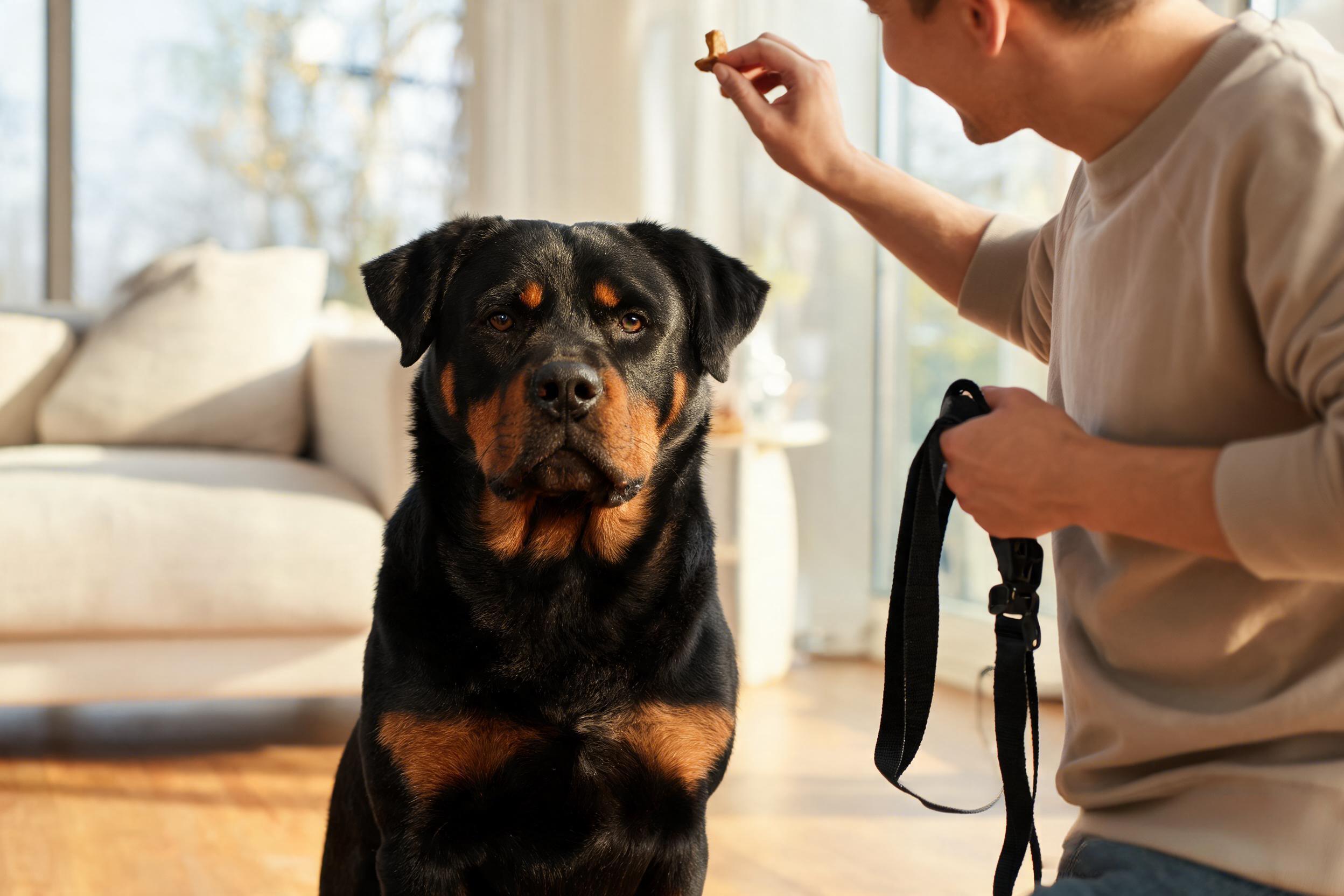
- Start at Day One: Training doesn’t start at 6 months; it starts the day the puppy comes home. Reward calm behavior and eye contact immediately.
- Structured Socialization: Enroll in puppy classes as soon as vaccinations allow. This provides controlled exposure to other dogs and people. The goal is neutrality, not frantic play.
- Impulse Control: Teach cues like “Wait” early. Practice waiting at doors and for food. An impulse-controlled Rottweiler is a safe Rottweiler.
- Positive Reinforcement: Rottweilers respond best to reward-based training. They are sensitive and will shut down under harsh corrections. Use praise, treats, and toys to motivate them.
The Exercise Requirement (1-2 Hours Daily)
A tired Rottweiler is a good Rottweiler. They require one to two hours of daily physical and mental activity. This should include a long walk, jog, or energetic game, coupled with a “job” like obedience drills or nose work. Without adequate exercise, their energy manifests as destructive or anxious behavior.
Managing the “Maturity Shift”
- Rule out pain: If a 2-year-old Rottweiler shows sudden behavioral changes, a vet check is vital. Joint pain can cause irritability.
- Reinforce neutrality: During this phase, reduce the dog’s interaction with strangers and instead focus on rewarding calm behavior in public. Do not force them into uncomfortable social situations.
Section 3: Comparison — Rottweiler vs. Other Guarding Breeds
| Trait | Rottweiler | German Shepherd | Doberman Pinscher |
|---|---|---|---|
| General Temperament | Calm, confident, aloof, “wait and see” | High-strung, alert, active, and vocal | Alert, energetic, and highly focused |
| Trainability | Highly trainable, but stubborn; needs firm consistency | Extremely trainable, eager to please | Extremely trainable, often considered more biddable |
| Protective Instinct | Strong territorial & guardian instinct; natural suspicion of strangers | Strong herding & protective instinct; prone to barking | Strong personal protection instinct; known for intimidation |
| Energy Level | Moderate (requires 1-2 hours daily) | High (requires intense daily activity) | High (requires intense daily activity) |
| Suitability for Novice Owners | Not suitable — requires an experienced owner | Not suitable — needs a structured, active owner | Not suitable — requires a confident, experienced owner |
| Key Difference | Slower to react but decisive; more forgiving of mistakes than a GSD, but their power makes errors costly | Reactive and sensitive; quick to alert and engage | Sensitive and intelligent; can be sharper and faster to respond than the Rottweiler |
Bottom Line: While all three are intelligent and powerful, the Rottweiler is often the “slowest” to anger and the most “laid-back” indoors of the guarding breeds. However, their size means their “slow” reaction can be extremely dangerous if they do react.
Recommended Products for Temperament Management
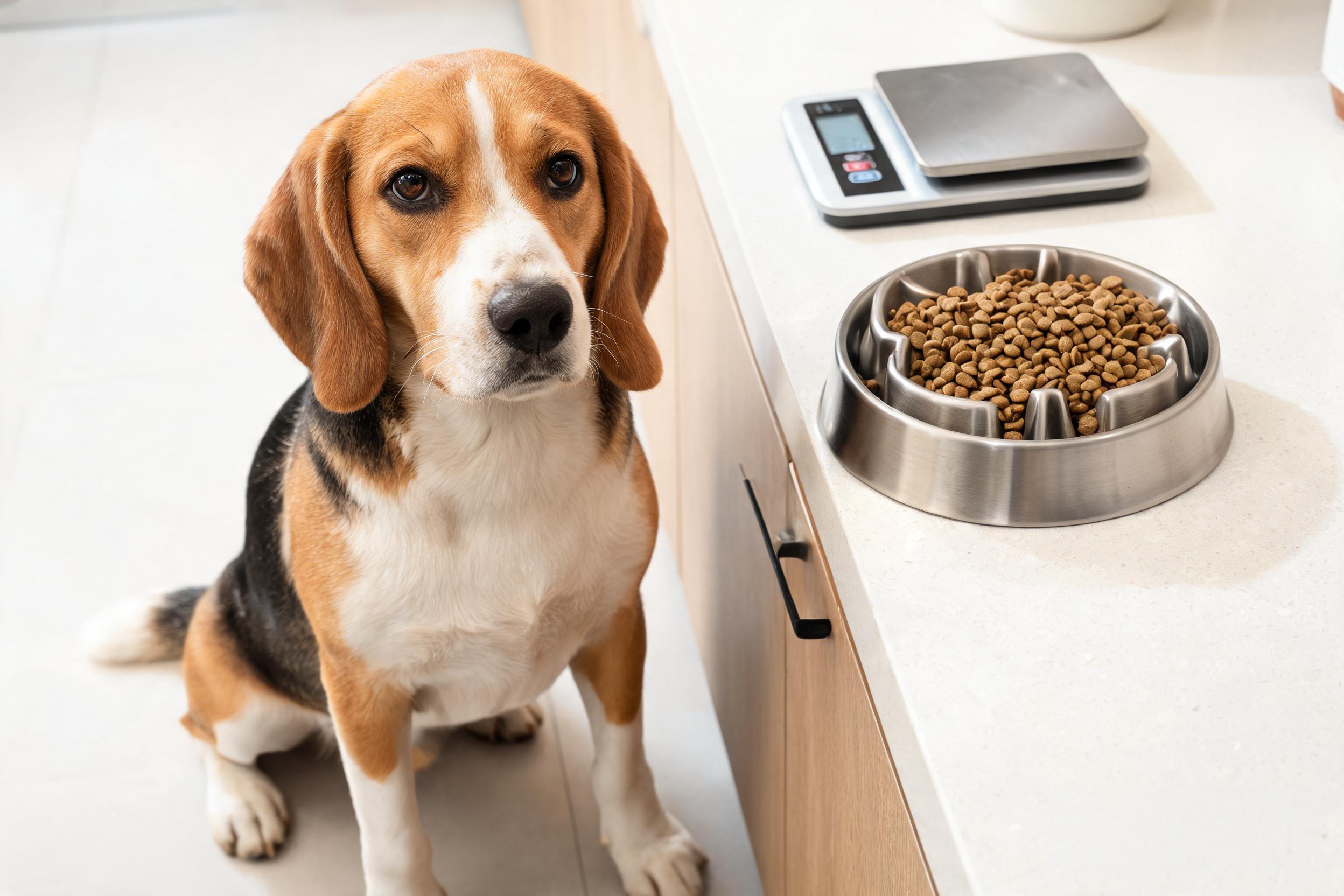
See the comparison cards below for our top picks across leash control, mental enrichment, and bloat-prevention feeding tools.
FAQ
1. Are Rottweilers naturally aggressive?
No. Aggression is not a natural state for a well-bred, well-socialized Rottweiler. They are naturally protective, confident, and calm. Aggression in Rottweilers is typically a result of poor breeding, lack of socialization, abuse, or fear.
2. Are Rottweilers good family dogs?
Yes, with caveats. They are devoted and gentle with their own children. However, they can be too clumsy for toddlers and may overreact to the “intentions” of the child’s friends. They are best suited for families with older, sensible children and parents who supervise all interactions.
3. Are Rottweilers easy to train?
Yes and no. They are incredibly intelligent and eager to please, ranking 9th in canine intelligence. However, they can be stubborn and strong-willed. They require an experienced owner who uses consistent, positive reinforcement.
4. Do Rottweilers get along with other dogs?
They can, but it requires careful management and early socialization. The breed can be problematic with same-sex dogs or unfamiliar dogs. They are often best as the sole pet or with a properly introduced, opposite-sex companion.
5. What is the “terrible twos” for Rottweilers?
This refers to the “maturity shift” that occurs between 18 months and 3 years of age. During this time, a dog’s adult personality solidifies, and guarding behaviors can suddenly emerge. This is a normal developmental phase that requires consistent training and management.
Conclusion
The Rottweiler is a breed that commands respect. Their powerful physique and innate protective drive make them an incredible partner for the right owner, but a liability for the wrong one. By understanding the genetic foundation of their temperament, respecting their developmental timeline, and committing to rigorous training and socialization, you can unlock the true potential of this magnificent dog.
Disclaimer: This article is for informational purposes only and does not constitute professional training or veterinary advice. Consult a certified trainer or behaviorist for persistent behavioral concerns.