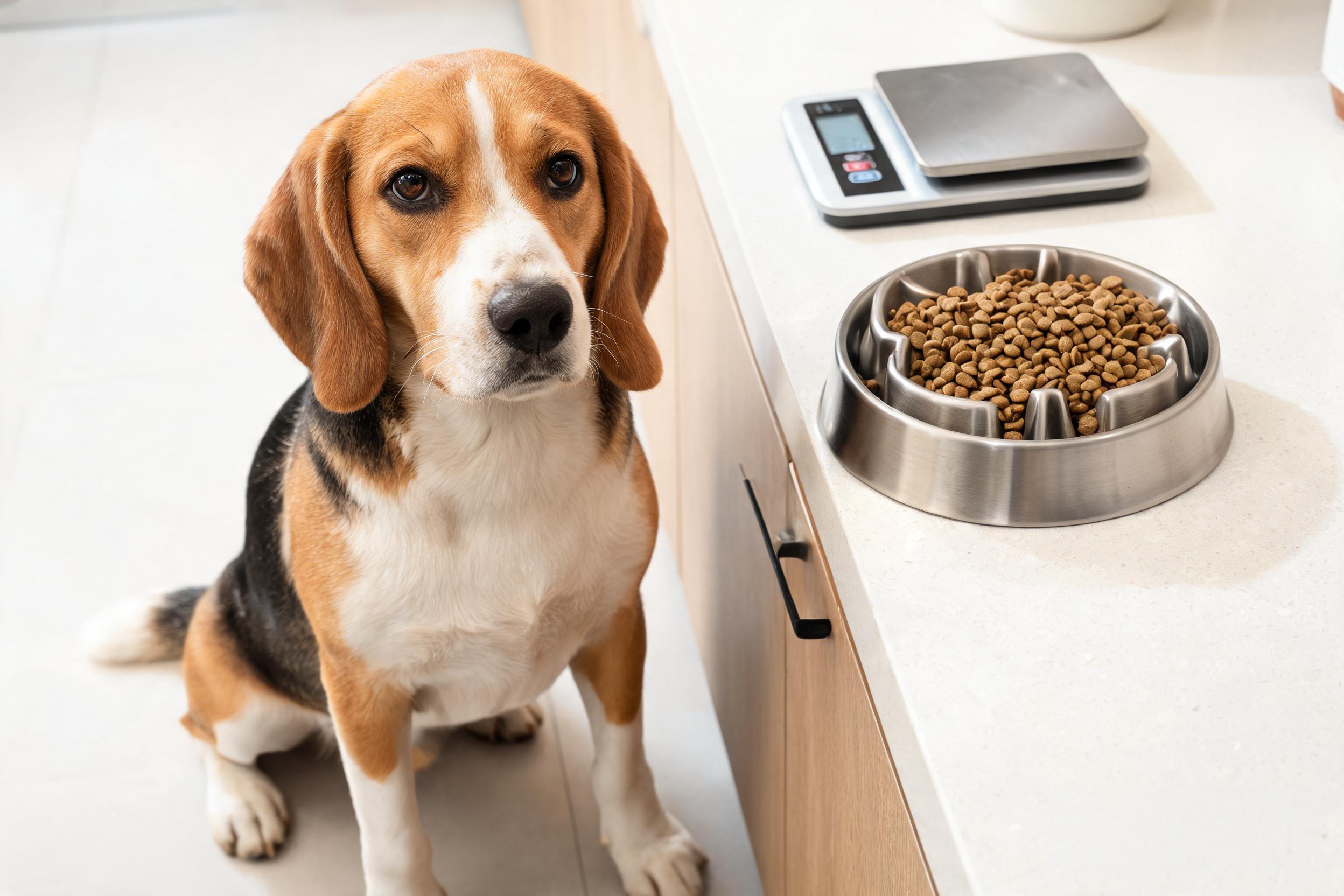
Beagles are one of America’s most beloved breeds, known for their soulful eyes, floppy ears, and boundless energy. However, their most defining characteristic might just be their appetite. This guide provides a comprehensive, vet-aligned approach to feeding your Beagle, ensuring they live a long, healthy, and happy life without the common pitfall of obesity.
The Beagle’s Eternal Struggle: Why You Are Searching for This Guide
You are likely searching for a “Beagle diet guide” because you have noticed your Beagle is a bit too round, or perhaps you are a new owner who has just discovered that your adorable puppy turns into a four-legged vacuum cleaner at mealtime. Beagles are notoriously food-motivated and lack the ability to self-regulate their food intake. This means they will often eat until they are physically unwell if given the chance. This guide exists to help you navigate the unique nutritional needs of this breed, preventing issues before they start and helping you decode the best dietary choices.
What Makes a Beagle Diet Unique?
The “Beagle Bulge” and Genetic Predisposition
The Beagle’s love for food is not a character flaw; it is a trait deeply rooted in their history as scent hounds. Bred to work long hours tracking game, their bodies are programmed to seek high-calorie fuel. In a modern, less active home environment, this same drive leads to rapid weight gain. This excess weight is not just a cosmetic issue; it puts significant stress on their joints, heart, and internal organs.
The 2026 Insight: Precision Nutrition Over Guesswork
In 2026, the conversation has shifted from merely “feeding a Beagle” to “precision nutrition.” We now understand that a Beagle’s metabolism is influenced by factors beyond just age and activity. Recent research has highlighted that a Beagle’s maintenance energy requirement can vary significantly based on ambient temperature and age. This means your dog might need more calories in colder months. The modern approach involves using detailed feeding charts, measuring food by weight (not volume), and adjusting based on visual body condition scores rather than just following generic guidelines.
Why a Proper Diet Matters: The Health Implications
Obesity is the number one health problem in Beagles. It is a silent killer that exacerbates or leads to several serious conditions.
- Joint and Bone Stress: Beagles have a sturdy, compact frame. Carrying extra weight puts severe strain on their joints, leading to arthritis and mobility issues. Their already short legs struggle to support excess mass.
- Increased Risk of Disease: Overweight dogs are at a higher risk for diabetes, heart disease, and certain types of cancer.
- Ear Infections: While not directly caused by food, a diet rich in simple sugars (like excessive treats) can alter the body’s microbiome and contribute to inflammation, potentially worsening the susceptibility to ear infections common in floppy-eared dogs.
- Reduced Lifespan: Studies consistently show that maintaining a lean body mass significantly extends a dog’s life expectancy. A diet that supports an ideal weight is the most important factor in a Beagle’s longevity.
Section 1: Decoding the Beagle Bowl
Macronutrient Needs
- Protein (22-28% of Diet): High-quality animal proteins like chicken, salmon, lamb, or turkey should be the primary ingredient. Protein builds lean muscle mass and provides the energy for their active lifestyles.
- Fat (10-15% of Diet): Moderate fat levels are crucial for energy. Look for sources of omega-3 fatty acids (like fish oil) which support skin, coat, and joint health. Avoid excessive fat, as it is calorie-dense and contributes to weight gain.
- Fiber: A diet with a good amount of fiber (like beet pulp) is essential. It helps your Beagle feel full and satisfied after a meal, reducing begging behavior.
Essential Nutrients for Beagles
- Glucosamine and Chondroitin: These are non-negotiable supplements or ingredients in a Beagle’s diet. They support cartilage and joint fluid, helping to protect their joints from the wear and tear of their active lives.
- Branched-Chain Amino Acids (Leucine, Isoleucine, Valine): These are critical for growing puppies. Research shows growing Beagles have specific requirements for these amino acids to support optimal growth and development.
- DHA (Docosahexaenoic Acid): An omega-3 fatty acid vital for brain and vision development in puppies.
Section 2: Practical Solutions and Recommendations
1. The “Weigh It, Don’t Scoop It” Rule
This is the single most effective tip. Using a measuring cup can lead to significant overfeeding. A slight miscalculation over months translates to extra pounds. The only way to accurately measure your Beagle’s portions is to use a kitchen scale and weigh the kibble in grams. Compare this weight against the manufacturer’s recommendations based on your dog’s ideal weight and activity level.
2. Slow Feeding Is Key
Beagles are notorious for inhaling their food without chewing, which can lead to choking, bloat, and digestive upset. Invest in a slow-feed bowl with a cross-like or maze design. These bowls force the dog to eat around the obstacles, slowing down their eating pace. Royal Canin’s breed-specific Beagle kibble is designed with a cross-shaped kibble to encourage chewing and slow ingestion.
3. Manage Treats Like Currency
Treats should never make up more than 10% of your Beagle’s daily caloric intake. Instead of high-calorie biscuits, use your dog’s regular kibble for training. Alternatively, choose healthy, low-calorie treats like freeze-dried meat, green beans, or carrot sticks. Avoid human snacks, especially biscuits, bakery goods, and sugary items, which can quickly undo a day’s worth of careful portion control.
Section 3: Choosing the Right Food — A Comparison
Fresh Dog Food vs. Traditional Kibble
| Feature | Fresh Food | Traditional Kibble |
|---|---|---|
| Quality | Human-grade, whole ingredients | High-quality, but often uses rendered meals and by-products |
| Convenience | Delivered to your door, pre-portioned | Readily available, easy to store |
| Cost | Higher price point | More affordable |
| Hydration | High moisture content is great for kidney health | Low moisture, but helps with dental health |
| Effectiveness | Excellent for weight management due to high protein/low carb ratio | Very effective when using a breed-specific or weight-control formula |
Breed-Specific vs. Generic
Breed-specific formulas, like Royal Canin Beagle Adult, are a superior choice. They are designed to address the exact needs of the breed:
- Kibble Shape: The cross-shape is specifically designed for a Beagle’s jaw to slow down eating.
- Caloric Control: Precise calories to support a healthy weight.
- Joint Support: Includes targeted levels of glucosamine, chondroitin, EPA, and DHA.
Generic “small breed” or “medium breed” formulas might be good, but they lack this precise customization.
Recommended Products for Your Beagle
See the comparison cards below for our top picks across breed-specific kibble, fresh food, and budget-friendly options.
FAQ
1. How much should I feed my adult Beagle daily?
The amount depends on weight and activity. A general guideline for an adult is 1 to 1.5 cups of high-quality dry food per day, divided into two meals. However, for precise measurement, use a food scale. Always consult the bag and your vet, as exact amounts vary by brand.
2. Can my Beagle eat human food?
Some human foods are safe in moderation, like plain green beans, carrots, and apple slices. However, many are toxic (onions, garlic, grapes, raisins, chocolate). Human snacks, especially those high in sugar and carbs, are dangerous and lead to rapid weight gain. Stick to dog-appropriate treats.
3. What are the signs of obesity in a Beagle?
You should be able to feel your Beagle’s ribs easily without pressing hard. They should have a visible waistline when viewed from above. If you can’t see or easily feel the ribs, and they have a broad, flat back, it is time to cut back on portions.
4. What is the best feeding schedule for a Beagle?
Splitting their daily food allowance into two meals is best. A morning meal and an evening meal help prevent them from feeling ravenous all day and reduce the risk of bloat. Young puppies require 3-4 meals a day to support their rapid growth.
5. My Beagle is always begging. Is he actually hungry?
No. Beagles are professional beggars and are driven by instinct, not hunger. Giving in to begging only reinforces the behavior and leads to obesity. Stick to your feeding schedule and portion sizes. Use slow-feed bowls and high-fiber diets to help them feel satiated after their meal.
Conclusion
Feeding a Beagle is a science, not an art. Their unwavering love for food makes them wonderful, motivated companions, but it also puts them at risk for life-shortening health problems. By embracing precision feeding — weighing portions, choosing high-quality or breed-specific foods, and managing treats — you are making a promise to give your dog the longest, healthiest life possible.
Disclaimer: This article is for informational purposes only and does not constitute medical advice. Always consult with a licensed veterinarian about your dog’s specific dietary needs.