If your Dachshund suddenly yelps, refuses to jump, or drags its back legs, you’re facing the most common emergency in the breed: Intervertebral Disc Disease (IVDD). This isn’t just a minor issue; it’s a neurological crisis that affects up to one in four Dachshunds, making them 10 to 12 times more likely to suffer from spinal problems than other breeds. In 2026, our understanding has evolved beyond simple rest versus surgery, with new insights into genetic risk, innovative therapies like high-power laser treatment, and advanced supportive products that can dramatically improve outcomes. This guide provides a comprehensive, veterinary-backed roadmap to protect your Dachshund’s spine.
Why This Matters Now More Than Ever
For decades, the Dachshund’s “hot dog” shape has been its defining feature and its greatest vulnerability. Recent studies and veterinary consensus in 2026 have clarified that this is not just a physical strain but a genetic condition known as chondrodystrophy. This “disproportionate dwarfism” accelerates the aging and degeneration of the spinal discs, turning a simple jump off the couch into a potential disaster.
The statistics are stark. Dachshunds are one of the breeds most commonly affected by IVDD, with many requiring expensive surgical intervention costing between $3,000 and $8,000. The good news is that awareness and proactive management in 2026 mean we have more tools than ever to prevent injury, manage pain, and help our dogs recover.
Understanding the Threat: What Is IVDD?
The term “slipped disc” is a common but simplistic way to describe Intervertebral Disc Disease (IVDD). To understand it, picture the discs in your dog’s spine as jelly doughnuts. They act as shock absorbers between the vertebrae. In Dachshunds, these discs can harden and degenerate prematurely.
The Two Types of IVDD
- Type I IVDD (Hansen Type I): This is the explosive, acute version most common in Dachshunds. The center of the disc suddenly ruptures, shooting disc material into the spinal canal. This causes a sudden, severe compression of the spinal cord, often leading to immediate pain and paralysis. This type is a true emergency.
- Type II IVDD (Hansen Type II): This is a slower, more gradual process where the outer wall of the disc bulges and thickens over time, pressing against the spinal cord. It’s more common in older, larger breeds but can also affect aging Dachshunds.
Recognizing the Symptoms: Early Warning Signs
Catching IVDD early is the single most important factor in successful treatment. Symptoms can appear suddenly or develop gradually. Key symptoms to watch for include:
- Pain and Vocalization: Sudden yelping or whimpering, especially when being picked up, or when moving a certain way.
- Postural Changes: A hunched back, a stiff neck, or holding the head down.
- Loss of Coordination: A wobbly gait (ataxia), stumbling, or crossing the front or back legs when walking.
- Paresis or Paralysis: Weakness in the legs, progressing to an inability to stand or walk. This may start in the back legs and move forward.
- Loss of Bladder/Bowel Control: Accidents in the house or the inability to urinate or defecate normally is a serious sign of nerve damage.
Emergency Rule: If your Dachshund suddenly becomes paralyzed in the hind legs, seek emergency veterinary care immediately. The window for successful surgical intervention is often measured in hours, not days.
Section 1: The Anatomy of a Problem — Why Dachshunds Are So Vulnerable
A Dachshund’s back is a biological compromise. Their long spine and short ribcage create significant leverage, putting immense pressure on the intervertebral discs.
Genetic Predisposition (Chondrodystrophy)
The gene responsible for the Dachshund’s short legs (chondrodystrophy) is the same gene that causes their spinal discs to age prematurely. This means that a Dachshund’s discs can start degenerating as early as one to two years of age, compared to a normal dog’s discs which might not show wear until their senior years. This condition is not just a structural quirk; it’s a systemic condition that defines their health trajectory.
Body Composition and Weight
Every extra pound on a Dachshund is amplified by their long back. Even a small amount of weight gain significantly increases the stress on their spine and joints, dramatically increasing the risk of disc herniation. Maintaining a lean body weight isn’t just about overall health; it’s a critical, non-negotiable protective measure for their spine.
Biomechanical Stressors
- Jumping: Jumping off furniture, beds, and car seats creates a jarring impact that travels up the spine. This is the number one preventable cause of IVDD.
- Stairs: Repeatedly climbing stairs strains the back and can accelerate disc degeneration.
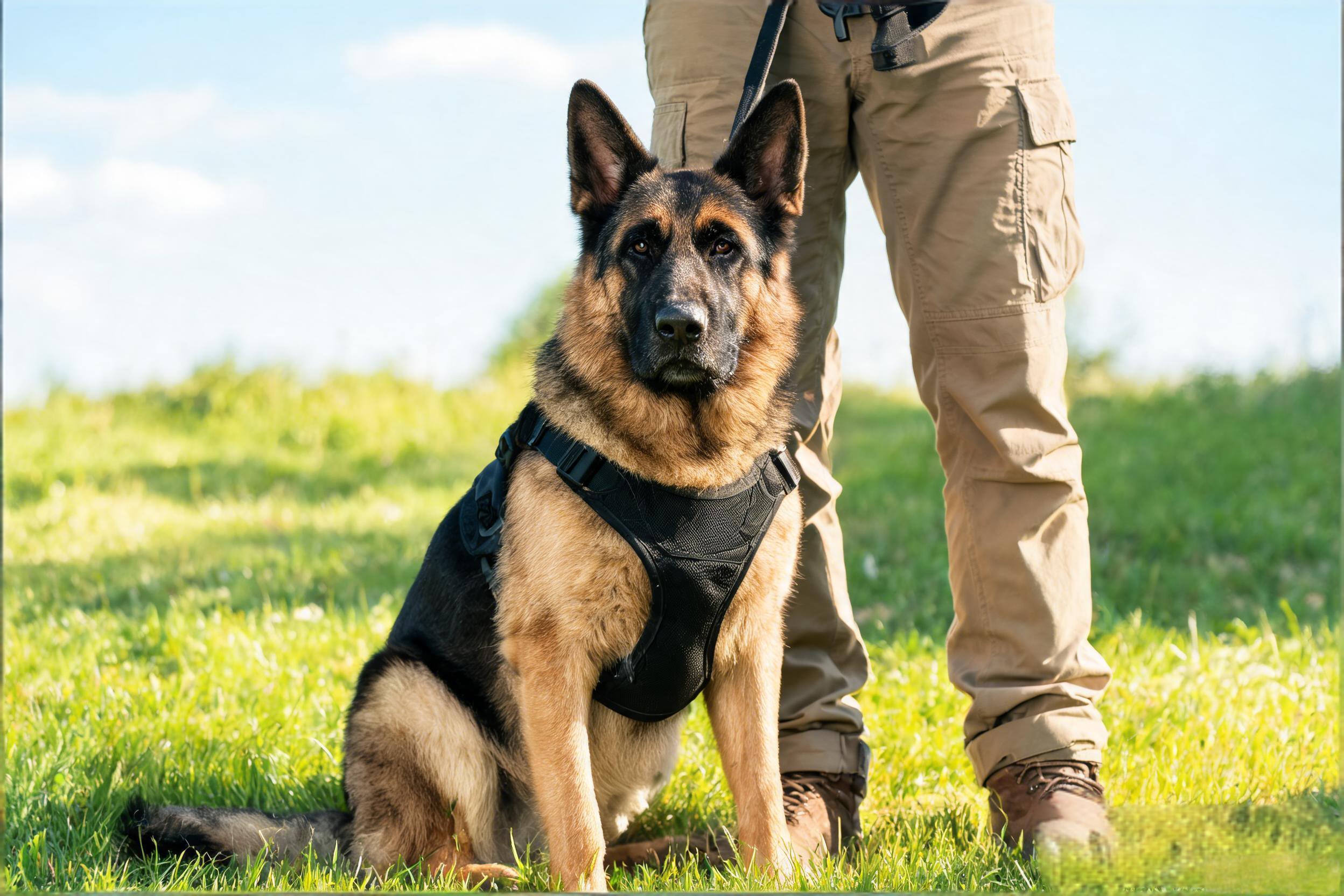
- Collars: Attaching a leash to a collar, especially a flat collar, can put sudden, unnatural strain on the cervical spine (neck) if a dog pulls. Vets strongly recommend using a harness instead of a collar to distribute pressure more safely.
Section 2: Solutions and Recommendations — A 2026 Treatment Roadmap
1. Conservative Management (Medical Treatment)
For dogs with mild signs of pain (Grade I or II IVDD) or for those who are not surgical candidates, strict rest and medication are the primary treatments.
- Strict Crate Rest: This is non-negotiable. Your dog will need to be confined to a crate for 4 to 6 weeks. This limits movement, allowing the herniated disc material to be reabsorbed and inflammation to subside. Leash walks are allowed only for bathroom breaks, and even then, should be short and controlled.
- Anti-inflammatory and Pain Medication: Your vet will prescribe non-steroidal anti-inflammatory drugs (NSAIDs) to reduce swelling and pain. Muscle relaxants and painkillers may also be prescribed.
- Early Neutering Caution: Recent veterinary guidance suggests that early neutering (before one year of age) can increase the risk of IVDD. Speak with your vet about the optimal timing for this procedure.
2. Advanced Therapies: Laser and Osteopathy
- Veterinary Laser Therapy: Dual-wavelength Class 4 lasers are emerging as a game-changer in 2026. This technology uses wavelengths like 980nm to increase blood flow and reduce nerve inflammation, and a specific 1470nm wavelength to target fluid and reduce pressure within the spinal canal. This can achieve a “non-surgical decompression” effect, particularly effective if started early in an IVDD episode.
- Animal Osteopathy: As a complement to vet-led care, animal osteopathy focuses on the whole-body mechanical effects of a spinal injury, supporting nerve function and aiding recovery.
3. Surgical Intervention
For more severe cases (Grade III-V IVDD), where the dog is paralyzed or loses deep pain sensation, surgery is often the best and fastest route to recovery. The most common procedure is a hemilaminectomy, where a vet creates a window in the bone to access the spinal cord and remove the disc material pressing on it.
Success Rates: The success rate for dogs that can still feel pain in their toes is very high, often over 90%. The prognosis becomes significantly poorer if deep pain sensation has been lost for more than 24-48 hours. Time is of the essence.
Section 3: Comparison — Conservative vs. Surgical Treatment
| Feature | Conservative (Medical) Management | Surgical Intervention (Hemilaminectomy) |
|---|---|---|
| Best Suited For | Mild pain, ataxia without paralysis (Grade I-II IVDD) | Severe pain, paralysis, loss of deep pain (Grade III-V IVDD) |
| Primary Goal | Reduce inflammation, allow disc material to reabsorb | Physically remove the disc material pressing on the spinal cord |
| Treatment Duration | 4-6 weeks of strict crate rest | 2-3 days in hospital, followed by 4-6 weeks of at-home rest/rehab |
| Cost Range | $1,000 - $3,000 | $3,000 - $8,000+ |
| Success Rate | Good for mild cases, variable for severe cases | High (>90%) if operated on early, especially if deep pain present |
| Risk of Recurrence | Higher risk, as the underlying disc degeneration remains | Lower risk for the specific disc operated on, but risk remains for other discs |
Recommended Products for Protection and Recovery
See the comparison cards below for our top picks across daily prevention braces, post-surgery support, and internal supplements.
FAQ
1. Can a Dachshund fully recover from IVDD without surgery?
Yes, for mild cases (Grades I and II) where the dog has pain but can still walk, strict crate rest and anti-inflammatory medications are often successful. However, the recovery period is lengthy (4-6 weeks) and must be strictly enforced to ensure the disc heals properly.
2. Is a ramp or stairs better for my Dachshund?
A ramp is always a better choice than stairs. Stairs require your dog to bend and twist their spine, putting them at risk. A wide, low-incline ramp allows them to walk up and down without stressing their back.
3. How can I tell if my Dachshund is in pain from a back issue?
Signs of back pain include a hunched back, trembling or shaking, whining, a reluctance to move, and guarding their back or neck. They may also become irritable or have a decreased appetite. If you suspect any issue, consult your vet immediately.
4. What is the success rate of surgery for a Dachshund with IVDD?
The success rate for surgery (hemilaminectomy) is very high, often over 90%, if the dog can still feel pain in its toes at the time of surgery. The success rate drops significantly if deep pain perception has been lost for more than 24-48 hours. Time is the most critical factor for a good outcome.
5. What can I do to prevent IVDD in my Dachshund?
Maintain a lean body weight, use a harness (never a collar) for walks, ban jumping on and off furniture in favor of ramps, avoid high-impact activities and excessive stair climbing, and consult your vet about the optimal time for neutering.
Conclusion
A Dachshund’s long back is a cause for vigilance, not despair. By understanding the genetic and physical risks, recognizing early symptoms, and proactively managing your dog’s environment, you can significantly reduce the risk of a debilitating injury. In 2026, we have a powerful arsenal of tools — from advanced surgical techniques and innovative laser therapies to supportive braces and preventive harnesses.
Disclaimer: This article is for informational purposes only and does not constitute medical advice. If you suspect IVDD, seek veterinary care immediately.