Short Summary: While the average pug lifespan is often quoted as 10-14 years, these lovable companions face a unique set of inherited health challenges that can significantly affect their quality of life. This 2026 guide provides the latest veterinary insights into the leading causes of mortality in pugs, offering actionable advice to help your flat-faced friend live their healthiest, happiest life.
Why “Pug Lifespan Problems” Is a Top Search
If you’re searching for information on pug lifespan problems, you are likely a devoted pug owner facing a health scare, a prospective pet parent researching the breed’s medical needs, or a concerned companion watching your pug struggle with breathing or mobility. The core of your worry is not just “how long will my pug live?” but “how can I ensure those years are full of comfort, not suffering?”
Pugs are one of the world’s most popular small breeds, yet they are considered a “high-risk” patient in veterinary medicine due to their brachycephalic (flat-faced) anatomy. In 2026, new scientific research has shed even more light on the specific mortality risks in pugs, highlighting that their most common causes of death are not just “old age,” but specific diseases directly linked to their breed conformation. This knowledge empowers owners to take proactive steps to mitigate these risks.
The Pug Lifespan and Unique Health Profile
Average Lifespan: What the Data Says
Understanding the “average” lifespan for a pug is more complex than one simple number. The most recent, large-scale studies — such as the 2025 VetCompass Australia study — provide some of the most reliable data. This study analyzed the records of 691 pugs and found the median age at death was 10 years. While other sources may cite averages of 13-15 years, the most current clinical data points to a median of 10 years, with factors like sex playing a significant role. The study revealed that male pugs had shorter lifespans than females, and that neutered dogs lived longer than those left entire.
Why Breed Matters: The Cost of Cuteness
The pug’s adorable flat face, deep wrinkles, and curly tail are the very traits that predispose them to a host of severe health issues. This is due to a genetic blueprint that prioritizes exaggerated features over function. As one of the most popular brachycephalic breeds, pugs suffer from multiple chronic disorders linked to their shape. The conditions are so severe that Norway has considered banning the breeding of pugs and other breeds with similar health problems.
Symptoms and Key Factors
Recognizing the early signs of breed-specific health issues is critical. Beyond the classic “snorting,” pugs may show:
- Difficulty Breathing: Open-mouth breathing, excessive panting, flaring nostrils, and blue-tinged gums (cyanosis).
- Exercise Intolerance: Tiring quickly on walks, struggling to keep up, or collapsing after mild exertion.
- Heat Sensitivity: Pugs overheat easily due to their inefficient panting, making them highly susceptible to heatstroke.
- Gastrointestinal Signs: Frequent vomiting of white froth, regurgitation of food, or signs of nausea (lip licking, excessive salivation) due to digestive issues often linked to BOAS.
- Mobility Issues: Reluctance to jump, a “bunny hop” gait, or signs of back pain can be signs of Intervertebral Disc Disease (IVDD).
Section 1: Top Pug Health Problems in 2026
In 2026, veterinary science is more focused than ever on the specific mortality rates of pugs. The top causes of mortality are now clearly defined as Brachycephalic Obstructive Airway Syndrome (BOAS), neurological conditions like seizures, and degenerative spinal conditions.
1. Brachycephalic Obstructive Airway Syndrome (BOAS)
BOAS is not a single disease but a collection of anatomical abnormalities. Pugs suffer from narrowed nostrils (stenotic nares), an elongated soft palate, a narrow windpipe (tracheal hypoplasia), and everted laryngeal saccules (tissue bulging into the airway). A 2026 computed tomographic (CT) study identified that in pugs, a higher proportion of soft tissue at the nasal passage and laryngeal collapse are directly associated with severe BOAS.
A study published in early 2026 found that among 14 brachycephalic breeds, only 11% of Pekingese and 17.4% of Japanese Chins were free of BOAS symptoms. While pugs weren’t the focus, this study reinforces that any degree of flat-facedness creates an inherent breathing risk and highlights the importance of aggressive weight management, as body condition was a strong predictor of BOAS severity. In severe cases, BOAS is a leading reason for euthanasia.
2. Neurological and Spinal Disorders (PDE & IVDD)
Neurological causes are the most common reason for euthanasia in pugs.
- Pug Dog Encephalitis (PDE): This is a fatal, inflammatory brain disease unique to the breed. It typically affects younger to middle-aged dogs and progresses rapidly. While rare, it is a devastating and well-known risk in the pug community.
- Intervertebral Disc Disease (IVDD): Due to their body shape and genetic predisposition, pugs are at high risk for IVDD. This condition occurs when the shock-absorbing discs between the vertebrae in the spine slip or burst, pressing on the spinal cord. It can cause pain, paralysis, and loss of bowel/bladder control. Treatment often involves costly emergency surgery and extensive physical rehabilitation.
3. Protein-Losing Enteropathy (PLE)
A landmark study from the Royal Veterinary College, published in early 2026, has put PLE on the radar for every pug owner. PLE is a severe gastrointestinal condition where protein leaks from the digestive tract into the feces. This study found that 43.1% of pugs diagnosed with PLE died from the disease, with over half of these deaths occurring within just three months of diagnosis. Clinical signs include chronic diarrhea, weight loss, lethargy, and vomiting. While treatments like prednisolone and clopidogrel improved short-term survival, the prognosis remains guarded.
4. Skin and Eye Conditions
The pug’s wrinkles and large eyes are high-maintenance. Skin fold dermatitis (pyoderma) is common due to moisture and bacteria trapped in folds, requiring regular cleaning with specialized wipes. Eye issues, including proptosis (where the eye can pop out of its socket from trauma), are a risk due to shallow eye sockets, as well as chronic dry eye (keratoconjunctivitis sicca), which requires daily drops.
Section 2: Solutions and Care Recommendations
Preventative Care: The “Pug Health Checklist”
- Regular, Specialized Vet Visits: Schedule exams at least twice a year. Find a vet familiar with brachycephalic breeds.
- Weight Management is Critical: Obesity is a silent killer that exacerbates BOAS, arthritis, and PLE. Keep your pug lean using a high-quality, portion-controlled diet and a food scale.
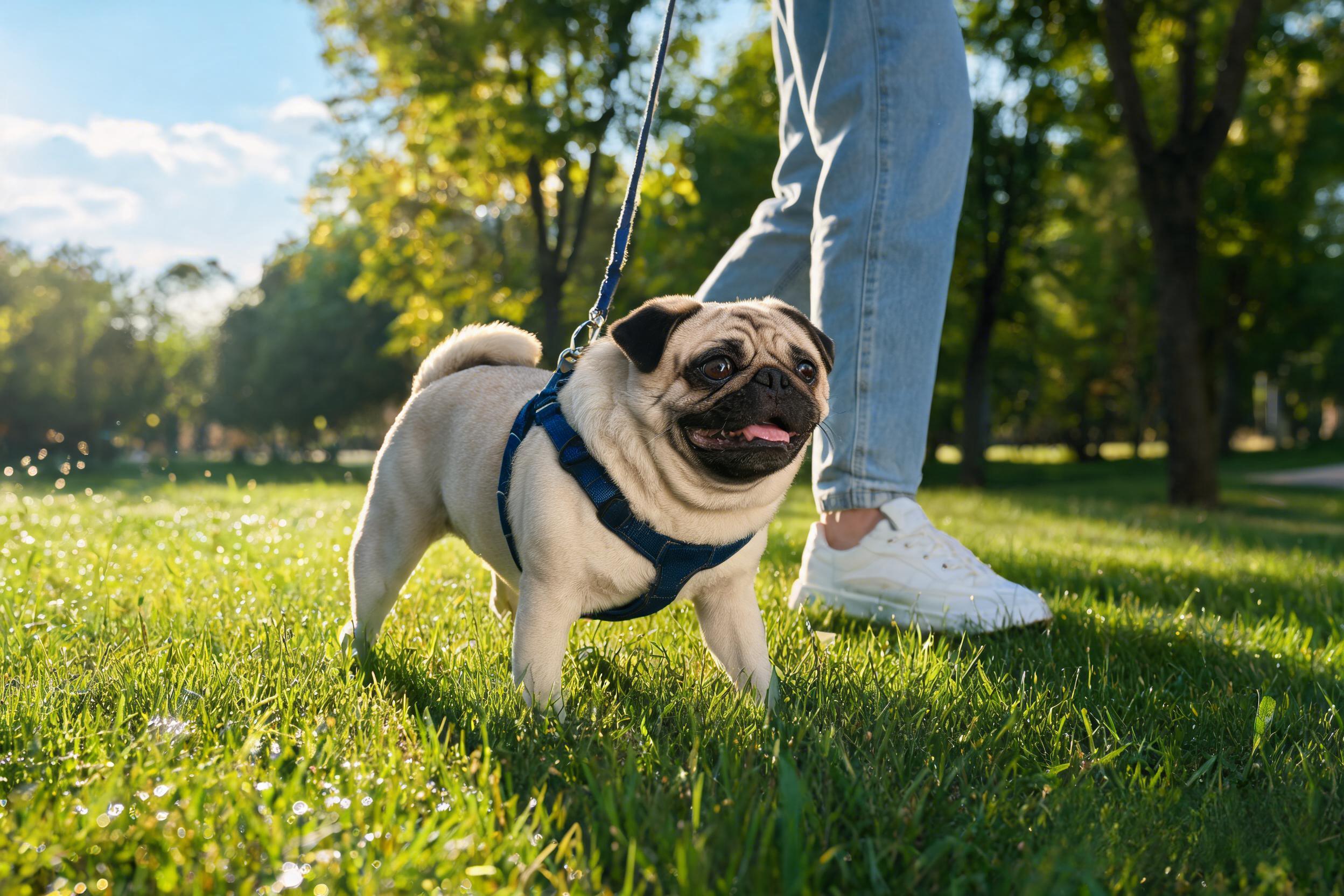
- Cooling and Exercise Protocol: Never exercise a pug in the heat or humidity. Walk them in the early morning or late evening. Always carry water. Use a cooling vest or a damp towel for walks. Switch to a harness immediately — a collar puts dangerous pressure on the trachea and can exacerbate breathing issues or cause eye proptosis.
- Wrinkle and Eye Hygiene: Clean facial and tail folds daily with dog-safe wipes. Use artificial tears to keep eyes lubricated. Keep a “first aid” eye rinse on hand for emergencies.
- Dental Health: Dental overcrowding is common in pugs, leading to pain and infection. Brush their teeth daily and schedule veterinary dental cleanings.
Managing Specific Conditions
- BOAS Management: If your pug shows signs of moderate to severe BOAS, surgical intervention is the best option. Surgery to widen nostrils, shorten the soft palate, and remove everted saccules substantially improves respiratory function in many dogs. Early intervention is key to preventing permanent laryngeal collapse.
- Watch for PLE Symptoms: Be hypervigilant about changes in stool, appetite, or weight. If your pug has unexplained diarrhea or vomiting for more than a couple of days, get a blood test to check protein levels immediately.
Section 3: Comparison — Pugs vs. Other Brachycephalic Breeds
| Breed | Average Lifespan | Primary Health Threat | Key Considerations |
|---|---|---|---|
| Pug | 10-13 years | BOAS, neurological (PDE, IVDD), PLE, skin allergies | High risk of emergency conditions (eye proptosis, spinal injury). Requires high-maintenance hygiene and strict weight control. |
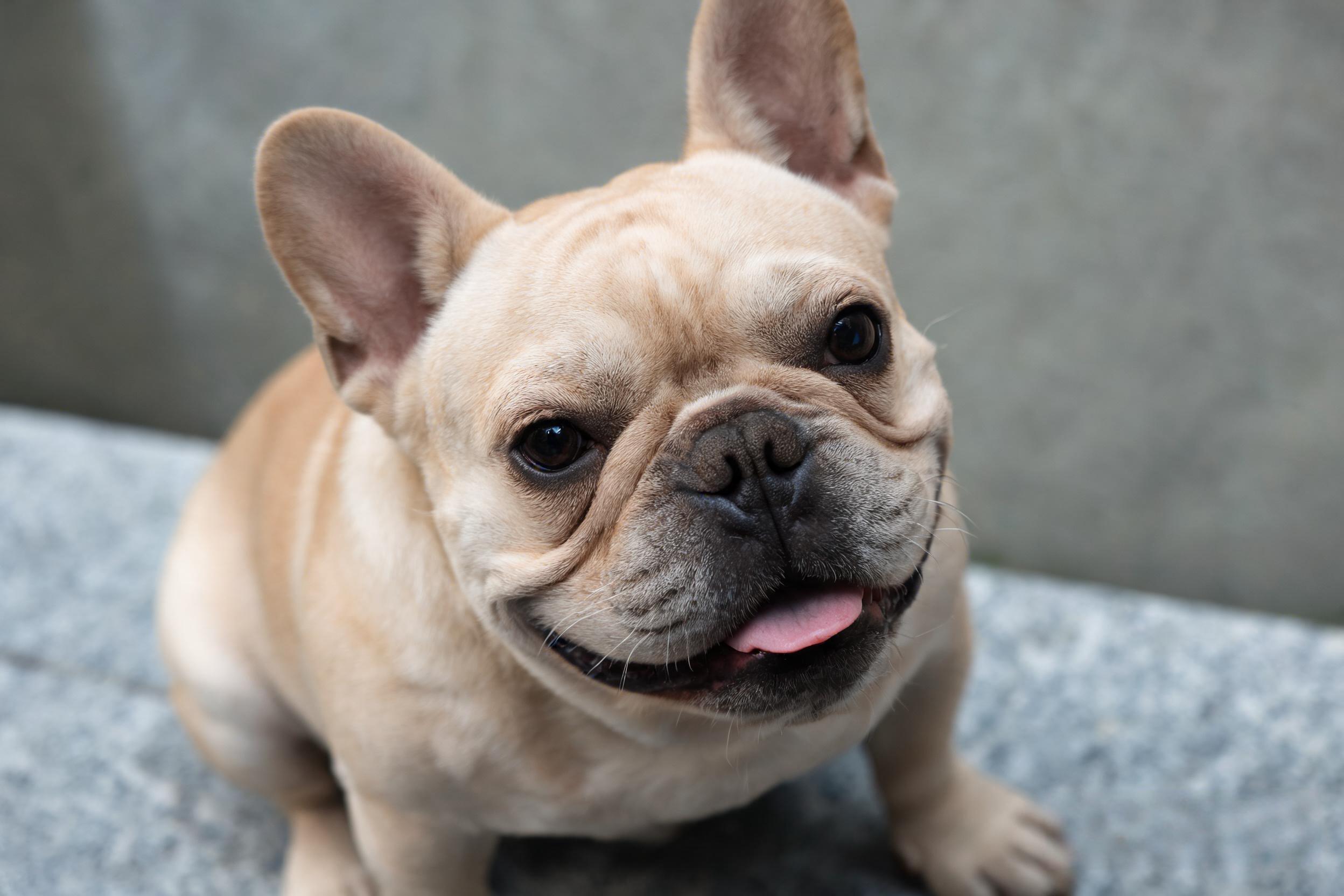
| French Bulldog | 10-12 years | BOAS, IVDD, heat stroke | Similar BOAS risks but less prone to PDE. Very high cost of care and insurance. |
| Bulldog (English) | 8-10 years | Severe BOAS, heart disease, cancer, hip dysplasia | Shortest lifespan in this group; suffers from the most extreme BOAS and often tracheal hypoplasia that is not surgically fixable. |
| Boston Terrier | 11-13 years | BOAS, cancer (mast cell tumors), eye problems | Generally has a slightly lower BOAS severity than pugs and bulldogs but remains high-risk. |
| Cavalier King Charles Spaniel | 9-14 years | Heart disease (mitral valve disease), syringomyelia | Lower risk for BOAS but suffers from severe, fatal heart conditions. |
Recommended Products for Pug Health
See the comparison cards below for our top picks across harnesses, cooling gear, and daily hygiene care.
FAQ
1. What is the average lifespan of a pug?
The most recent and reliable veterinary studies indicate a median lifespan of 10 years. However, with excellent preventative care, some pugs can live into their early teens. This is shorter than many other small breeds due to their inherited health issues.
2. What are the most common signs of Pug Dog Encephalitis (PDE)?
PDE symptoms can include seizures, behavioral changes (circling, aggression, confusion), depression, and vision loss. This condition typically affects younger to middle-aged pugs (under 5 years) and is almost always fatal. Early veterinary intervention is critical to manage symptoms.
3. Can surgery really help my pug breathe better?
Yes. Corrective BOAS surgery (which widens nostrils, shortens the soft palate, and removes everted saccules) can substantially improve respiratory function. It reduces the risk of heat stroke and collapse and significantly improves quality of life. Early surgery before severe laryngeal collapse is recommended.
4. Is it true pugs shouldn’t wear a collar?
Absolutely. Due to their collapsed trachea risk and shallow eye sockets, a collar can be dangerous. Veterinarians strongly recommend using a harness instead. A harness distributes pressure across the chest and back, avoiding the vulnerable neck and throat.
5. What is Protein-Losing Enteropathy (PLE) and should I be worried?
PLE is a serious condition where pugs lose protein through their intestines. A 2026 study found that 43.1% of pugs diagnosed with PLE died from it, many within 3 months of diagnosis. You should be worried if your pug develops chronic, severe diarrhea, vomiting, or weight loss. This is an emergency that requires immediate blood work.
Conclusion
The data is clear: pugs face significant health challenges due to their genetics. However, awareness is the first step to prevention. In 2026, we have more scientific knowledge than ever about how to manage pug health.
The key takeaways are: invest in preventative care (strict weight management, a high-quality harness, and daily hygiene are non-negotiable), be a watchful guardian for signs of BOAS, PLE, and IVDD, and consider pet insurance — with the potential for costly BOAS surgery or spinal care, insurance is a financial lifeline for a breed with high veterinary costs.
Disclaimer: This article is for informational purposes only and does not constitute veterinary medical advice. Always consult a licensed veterinarian for any health concerns regarding your pet.