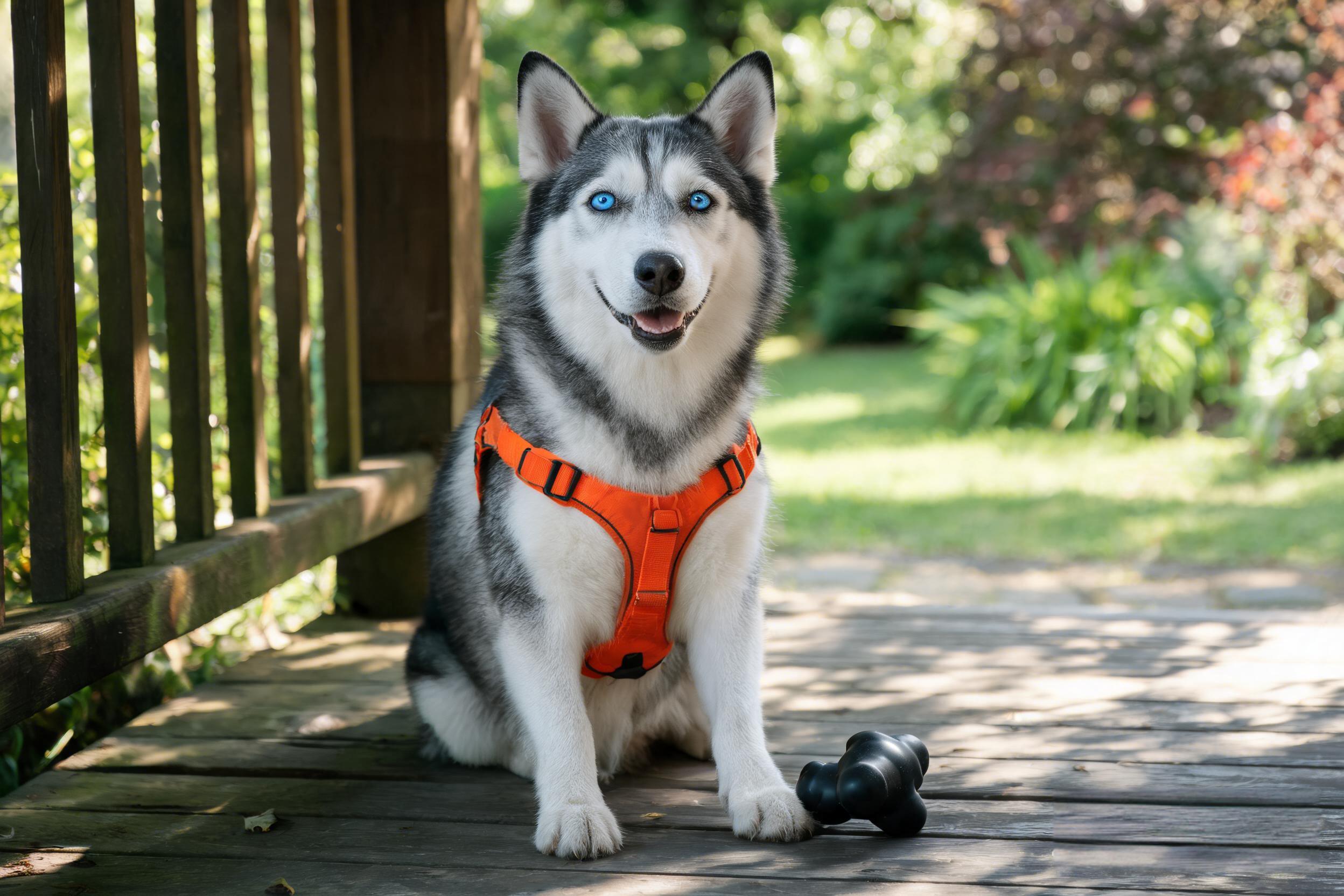
Summary: Siberian Huskies are not “difficult” dogs; they are highly intelligent canines with specific primal needs that often clash with modern suburban life. This guide moves beyond typical “exercise more” advice, offering a veterinary-backed perspective on managing Husky behavior through cognitive enrichment, impulse control, and understanding their unique pack dynamics in 2026.
The Problem: Why “My Husky Is Destroying My House” Is a Top Search
If you are reading this, you are likely standing in the wreckage of a shredded sofa or listening to a serenade of howls that could wake the dead. The struggle is real. In 2026, we are seeing a surge in “Husky returns” to shelters, primarily due to behavioral issues that owners weren’t prepared for. The disconnect lies in the expectation vs. reality. We see the majestic, wolf-like creature in movies and fall in love with the blue eyes and fluffy coat. We rarely see the 2 AM sprint sessions, the escape artistry, or the stubbornness that rivals a toddler in a tantrum.
The core problem isn’t that the Husky is “bad”; it is that they are bored, under-stimulated, and lacking a clear “job.” In a world where remote work is fading and owners are returning to the office, the separation anxiety and destructive tendencies of this breed are escalating. This article is designed to shift your perspective from “managing a problem” to “fulfilling a purpose.”
The Husky Mind
What Is Husky “Stubbornness” Really?
First, let’s debunk a major myth. Your Husky isn’t stubborn; they are highly discriminating. In canine cognition studies, Huskies consistently rank high in problem-solving but low in “biddability” (the desire to please humans). A Border Collie looks at you for direction; a Husky looks at you for a suggestion, evaluates it, and decides if it aligns with their personal agenda.
This is rooted in their history. Bred by the Chukchi people to pull sleds over vast distances, Huskies had to make independent decisions. If the musher told them to go straight, but the ice ahead was thin, the Husky had to disobey to survive. That instinct is still alive and well in your living room. When you tell your Husky to “sit” and they stare at you blankly, they aren’t stupid; they are asking, “What’s in it for me?”
Why These Behaviors Matter for Longevity
Behavioral issues are not just inconvenient; they are a health risk. Chronic stress from anxiety (which often manifests as destructive chewing) leads to elevated cortisol levels. Over time, this can suppress the immune system, leading to skin issues (hot spots) and gastrointestinal problems. Furthermore, a Husky that bolts out the front door is at a high risk of vehicular trauma or getting lost. Managing their behavior is synonymous with managing their physical safety.
Section 1: The “Siberian 5” — The Core Behaviors Explained
1. The Destructive Chewer (Anxiety or Boredom?)
Huskies have a powerful prey drive and a need to use their jaws. Unlike retrievers who chew to soothe, Huskies often chew to hunt or escape. If the chewing is focused on door frames and window sills, it is classic confinement anxiety (a form of separation anxiety specific to being trapped). If they are shredding pillows, it often mimics the “ripping” action of killing small prey.
2. The “Talking” Husky (Vocalization)
Howling, whining, and “screaming” — Huskies are not quiet. However, frequency matters. Constant howling in response to sirens or other dogs is pack communication. High-pitched whining coupled with pacing indicates stress. Low, guttural “rumblings” are often contentment. You don’t want to stop your Husky from talking entirely — you want to manage the volume and duration.
3. The “Fence Climber” / Escape Artist
This is the most dangerous behavior. It is driven by “barrier frustration.” If a Husky sees a squirrel or another dog, the instinct to chase overrides any fear of the fence. They don’t see the fence as a boundary; they see it as a puzzle to solve. They test for weaknesses, dig under, climb over, or bounce off it.
4. The “Selective Ears” (Disobedience)
This is usually a lack of engagement. If your dog ignores you in the backyard but listens inside, the environment is too distracting. This is a “stimulus control” issue, not a hearing issue.
5. Resource Guarding
Huskies are not typically aggressive, but they can be possessive. In a multi-dog household, a Husky may guard high-value items (bones, stolen socks). This is a primitive survival instinct.
Section 2: Solutions & Recommendations
Forget the “tire them out” mantra; you cannot out-exercise a Husky. You need to exhaust the mind, not just the body.
1. The “Nothing in Life Is Free” (NILF) Program
Behavioral experts lean heavily into this protocol for independent breeds. Essentially, your Husky must work for everything. Breakfast? They sit and wait. Going outside? They must “heel” at the door. Want a belly rub? They must “down” first. This establishes you as the provider, not just the human who lives with them. It respects their intelligence by giving them a job (following commands) to earn resources.
2. Cognitive Decompression
This is a key 2026 shift — moving away from high-octane fetch (which can increase adrenaline and frustration) to “decompression walks.”
- What is it? A walk on a 15-foot long line in a quiet, natural area (woods, fields).
- The rule: You do not dictate the direction (within safety limits). You allow the dog to sniff and explore.
- Why it works: The sniffing lowers their heart rate. It allows them to process environmental information. This is mentally exhausting. A 45-minute decompression walk is worth two hours of running on pavement.
3. Impulse Control Games
The “It’s Your Choice” game is crucial. Hold a treat in your closed fist. The dog will paw, lick, and mouth at it. The moment they stop and pull their nose back, you click (or say “yes”) and open your hand. This teaches them that calmness gets the reward, not force. Practice this daily.
4. Enrichment Puzzles Over Bowls
Stop feeding from a bowl. Use a snuffle mat or scatter kibble in the grass. This turns a 2-minute meal into a 15-minute hunting session, satisfying their prey drive constructively.
5. Smart Tech Integration
- GPS Collars: Essential for live tracking and escape alerts.
- Interactive Cameras: Devices that allow you to toss treats remotely can distract your Husky when they start pacing at the door, preventing the destructive behavior before it starts.
Section 3: Comparison — Training Methods
| Method | Description | Effectiveness for Huskies | Risks |
|---|---|---|---|
| Balanced Training | Uses both positive reinforcement (treats) and negative punishment (leash corrections) | Moderate-high — Huskies often respect clear boundaries, but harsh corrections can break trust | High risk of creating fear/aggression if not executed by a pro |
| Positive-Only (R+) | Rewards good behavior; ignores or redirects bad behavior | Low initially — the Husky’s independent nature often leads them to take advantage of the lack of consequences | Frustration for the owner; slow progress |
| Scientific Enrichment (Cognitively Based) | Focuses on satisfying the dog’s breed-specific needs (prey drive, choice, scavenging) to reduce the motivation for bad behavior | High — addresses the root cause, respects their intelligence, and creates a partnership | Time-consuming; requires owner creativity |
The Verdict: For a Husky, you need a blend of clear boundaries (balanced training) and cognitively based enrichment. You must set rules, but you must also provide an outlet for their natural instincts.
Recommended Products
See the comparison cards below for our top picks across enrichment, mental engagement, and safety tracking.
FAQ
1. Is my Husky aggressive if they growl?
Not necessarily. Growling is communication. It means “I am uncomfortable.” Never punish a growl; if you punish the warning, the dog may bite without warning next time. Instead, remove the stressor and evaluate the environment.
2. Can Huskies live in apartments?
Yes, but only if you are hyper-diligent about mental exercise. A Husky in a small apartment who gets 2 hours of cognitive play (puzzles, training) is often happier than a Husky in a yard who is ignored. The yard doesn’t exercise them; you do.
3. Why does my Husky eat grass?
Usually, it’s for fiber or gastrointestinal upset. However, with Huskies, it is often boredom. Ensure they have chew toys available. If they are eating grass and vomiting frequently, consult your vet to rule out parasites.
4. What is the best age to start behavior training?
Day one. Puppy classes are vital, but the NILF program can start at 8 weeks. Socialization is also critical; expose them to different surfaces, sounds, and people (while keeping safety protocols for vaccines in mind).
5. How do I stop my Husky from pulling on the leash?
Stop walking forward. Use a front-clip harness. When they pull, they spin towards you, breaking their momentum. Reward them heavily (high-value treats like cheese) when they are walking beside you. It takes patience, but consistency works.
Conclusion
Living with a Husky is not for the faint of heart. It requires you to become a student of canine behavior, not just a dog owner. The tantrums, the howls, and the destruction are not personal attacks; they are symptoms of a brilliant mind trying to survive a mundane existence.
By shifting your focus from physical exhaustion to cognitive enrichment and setting firm, loving boundaries, you will unlock the absolute best version of your dog.
Disclaimer: This article is for informational purposes only and does not constitute professional training or veterinary advice. Consult a certified trainer for persistent behavioral issues.