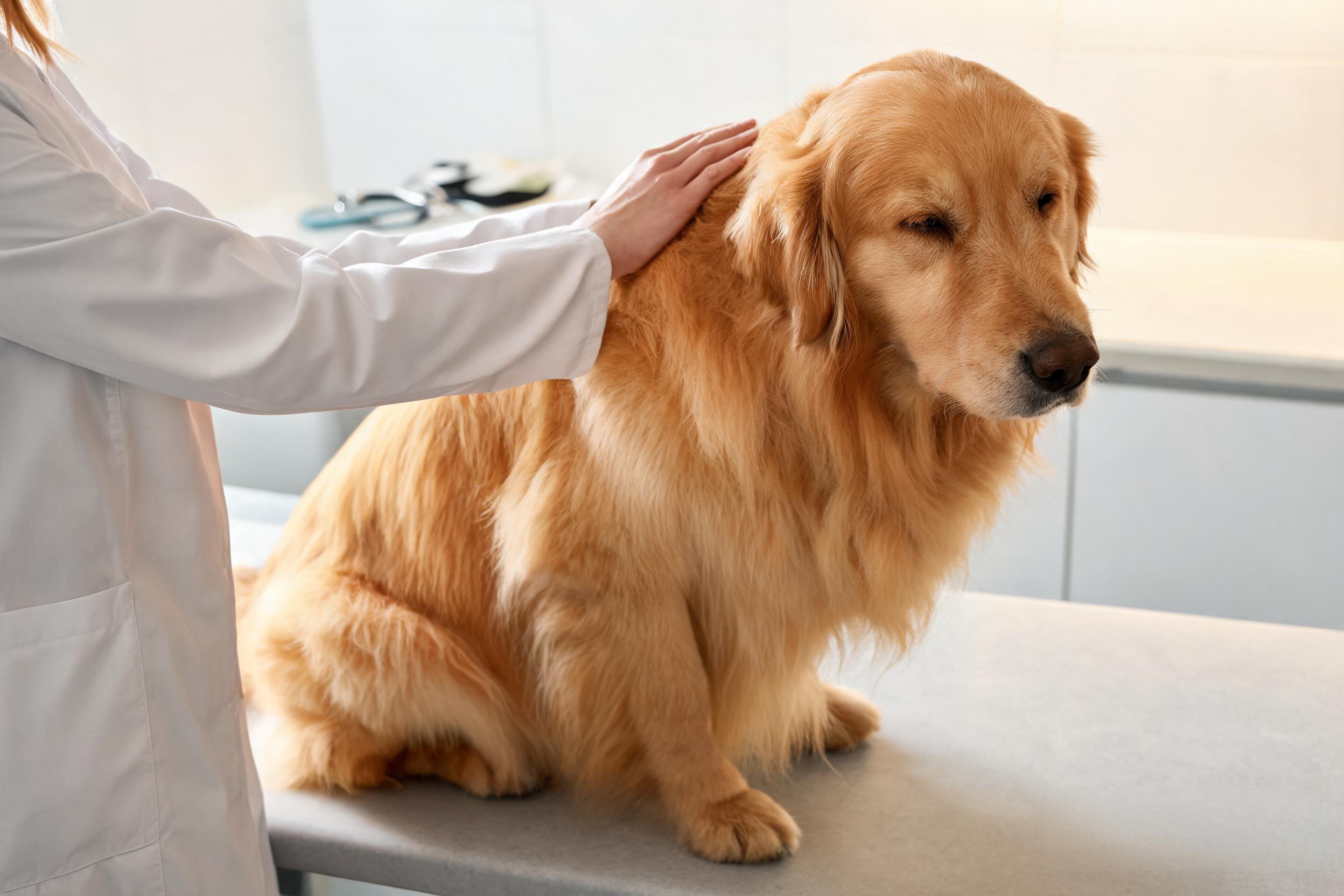
Short Summary: As veterinary costs soar and nearly half of dogs over 10 face cancer, pet insurance for senior dogs isn’t just about managing premiums — it’s about having the financial freedom to make treatment decisions based on love, not cost. This guide reveals 2026 insights into coverage, pre-existing condition traps, and the best policies for your aging companion.
The Golden Years Come with a Price Tag
For many of us, watching our loyal companions slow down brings a mix of gratitude and worry. The gray muzzle and gentler pace are precious, but they often signal the beginning of expensive health challenges. If you’ve started searching for “pet insurance for old dogs,” you’ve likely already been hit with the sticker shock of senior dog care.
The reality is that veterinary medicine can now do incredible things for older dogs, from advanced cancer treatments to stem cell therapy for arthritis. But these life-saving interventions cost money, and a 2026 market report estimates the global companion animal insurance market will reach $12.1 billion by 2030, driven partly by these very advancements. The question isn’t whether your senior dog will need care — statistically, they will — but whether you’ll be financially prepared when they do.
The 2026 Reality of Insuring Older Dogs
The pet insurance landscape has evolved, yet one constant remains: insuring a senior dog is fundamentally different from insuring a puppy. You’re no longer just protecting against accidents; you’re preparing for chronic conditions, hereditary diseases, and the natural decline of the immune system.
Why Age Matters More Than You Think
Large breed dogs are considered “senior” around age 7 or 8, while small breeds might not reach that milestone until 10-12. For giants like Great Danes, aging can start as early as 5 or 6. This isn’t just a label; it’s an actuarial marker. Insurers know that a 9-year-old Golden Retriever is a higher risk than a 3-year-old Chihuahua.
The Pre-Existing Condition Trap: The Single Biggest Factor
If there’s one thing you take away from this article, it’s this: pet insurance does not cover pre-existing conditions. This is the most consequential factor for senior pets, and it’s where many owners make a mistake.
When you apply for insurance, the provider will request your dog’s entire veterinary history. If your dog’s records mention a “limp” or “slightly elevated kidney values,” even without a formal diagnosis, this can be used to trigger an exclusion. Once a condition is documented, it becomes a permanent exclusion for the life of the policy, with very few exceptions.
This is the cruel irony of senior pet insurance: if you wait until your dog is sick to buy a policy, it’s often too late to get coverage for that specific condition. The optimal strategy is to enroll your dog before symptoms develop.
What Pet Insurance Covers for Senior Dogs
For a senior dog with a clean record, a comprehensive accident and illness plan can be a lifesaver. Typically, these policies cover:
- Diagnostic Workup: Bloodwork, X-rays, ultrasounds, and specialist consultations.
- Surgeries and Hospitalization: Including complex orthopedic or soft-tissue surgeries.
- Prescription Medications: For chronic conditions like heart disease or arthritis.
- Cancer Treatments: Chemotherapy and radiation for covered diagnoses.
However, standard policies do not cover routine preventive care — like annual exams and vaccinations — though this can be added with a wellness add-on.
Signs Your Senior Dog Needs Coverage
If your older dog is showing any of these signs, enroll now before these issues become documented pre-existing conditions:
- Loss of hearing, vision, or teeth, indicating broader systemic decline.
- Weight gain or loss, often linked to metabolic issues or organ function.
- Arthritis and joint issues — slowing down, stiffness after rest.
- Poor organ function — indicators of heart, liver, or kidney disease.
- Neurological issues — disorientation, pacing, or changes in behavior.
Section 1: The High-Stakes Conditions of Senior Dogs
1. Cancer: The Silent Threat
Cancer is the leading cause of death in older dogs. Roughly half of dogs over age 10 develop cancer. Depending on the type and stage, treatment can cost thousands of dollars. Chemotherapy for lymphoma, for example, can easily exceed $10,000. With insurance, you can consider oncology options you might otherwise have to decline.
2. Arthritis and Osteoarthritis
This degenerative joint disease affects the vast majority of dogs over age 5, particularly larger breeds. Management requires long-term medications, joint supplements, physical therapy, and monitoring. This is a recurring expense that grows as the condition progresses.
3. Chronic Kidney Disease (CKD)
While more common in cats, CKD is a serious risk for senior dogs. Management requires dietary changes, regular bloodwork monitoring, and sometimes IV fluid therapy during acute episodes — all of which add up significantly.
4. Heart Disease
Cardiac conditions, including myxomatous mitral valve disease in small breeds and dilated cardiomyopathy in large breeds, become more prevalent between ages 7-10. Managing heart failure involves long-term prescription medications and regular specialist monitoring.
Section 2: Solutions & Recommendations
The “No Upper Age Limit” Factor
The most critical feature to look for is a policy with no upper age limit. Many insurers still cap the age at which you can initially enroll a dog (e.g., 10 or 14 years old). However, several major providers now accept pets of any age.
Key Providers Excelling in Senior Coverage
- Pets Best: Offers coverage with no upper age limit, covering prescriptions, chronic conditions, and even curable pre-existing conditions after a symptom-free period.
- Figo: Has no upper age limit and offers coverage for prescription medications, alternative therapies, chronic conditions, and includes 24/7 live vet chat.
- Pumpkin Pet Insurance: No age limit, covering diagnostics, surgery, and prescription drugs.
- Spot Pet Insurance: No upper age limit for enrollment, making it a solid option for 14-year-old dogs that would be refused elsewhere.
What If You’re Switching Providers?
If you’re looking to switch insurers for a better deal, be aware that new companies will exclude any pre-existing conditions. Some insurers offer specific plans that provide limited cover for conditions that ended a few months before the policy start date, which is rare and worth seeking out.
Section 3: The Comparison Matrix
| Policy Type | How It Works | Best for Senior Dogs? |
|---|---|---|
| Accident-Only | Covers injuries (e.g., broken bones, ingestion); does not cover illnesses | Low — only useful if you’re on a budget and your dog has many pre-existing conditions |
| Time-Limited | Covers a new condition for a set period (e.g., 12 months) | Poor — if a chronic condition like arthritis recurs after 12 months, you’re on your own |
| Maximum Benefit | Pays up to a fixed amount per condition, no time limit | Fair — once the limit for a specific condition runs out, coverage ends |
| Lifetime Cover | Pays up to an annual limit for any condition, year after year | Best — provides continuous coverage for chronic and recurring conditions, the main risk for seniors |
Key Takeaway: While lifetime cover has higher premiums, it’s the only type that provides real protection for chronic issues that plague older dogs.
Recommended Products
See the comparison cards below for our top picks for senior dogs with complicated histories, late enrollment, and comprehensive chronic-condition coverage.
FAQ
1. Is pet insurance worth it for a 12-year-old dog?
It depends on the dog’s current health record. If your 12-year-old dog has no documented chronic conditions, insurance can still provide significant value. However, any existing diagnoses will be excluded, so the value proposition drops if they have multiple pre-existing issues.
2. Does pet insurance get more expensive as my dog ages?
Yes. Premiums are based on risk, and as your dog ages, the risk of them needing care increases significantly, leading to higher premiums at renewal. However, this increase is often manageable compared to the cost of out-of-pocket emergency care.
3. Can I get pet insurance for a dog with a pre-existing condition?
Yes, but the condition itself won’t be covered. You can still get coverage for new accidents and illnesses that develop after the policy is in effect. Some insurers offer limited coverage for recent pre-existing conditions after a symptom-free period.
4. What is the maximum age for pet insurance?
This varies by provider. Many insurers cap enrollment at age 10 or 14. However, some providers have no upper age limit at all.
5. When is the best time to enroll a senior dog in insurance?
Immediately. Even if your dog is 8, 10, or 14 years old, the best time is right now, before any new symptoms appear. Every day you wait is a day a new condition can develop and become an excluded pre-existing condition.
Conclusion
Your senior dog has given you years of unconditional love and joy. As they enter their golden years, it’s your turn to repay that loyalty by ensuring they get the medical care they deserve, not just what you can afford in an emergency. The pet insurance market is more flexible than ever, but you must be proactive — don’t wait for a limp or a lump to appear.
Disclaimer: This article is for informational purposes only and is not financial or insurance advice. Pricing, age limits, and coverage terms vary by provider and state — always confirm current terms directly with the insurer before purchasing.