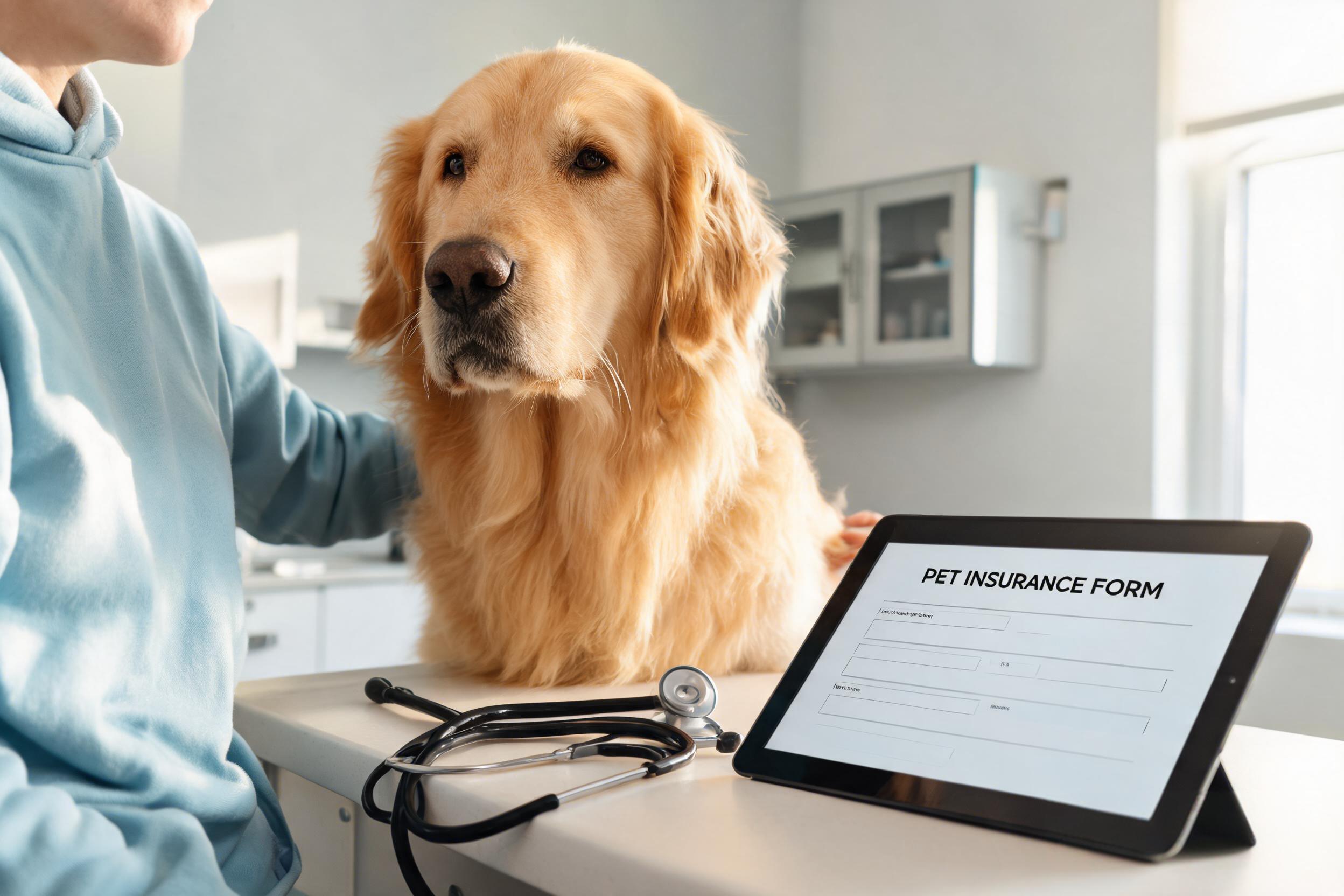
As veterinary costs continue to climb, the search for “cheap pet insurance plans” has become one of the most common starting points for dog owners looking to protect both their pet’s health and their bank account. But let’s be clear from the outset: “cheap” doesn’t have to mean “inadequate.” In 2026, the pet insurance market is more dynamic and competitive than ever, offering budget-friendly options that can genuinely save you from making heart-wrenching financial decisions about your dog’s care.
The Changing Economics of Pet Ownership
The reality of pet ownership today is very different from just a few years ago. For a medium-sized dog in a US urban market, annual costs can now realistically range from $2,500 to $7,500, depending on breed, health, and the level of care you choose. Veterinary care, in particular, has seen significant inflation. Routine check-ups have risen from about $300-$500 three years ago to $400-$700 today, while unexpected incidents frequently cost between $500 and $1,500. In veterinary medicine, we sometimes see “economic euthanasia” — a devastating term for when owners are forced to choose euthanasia because they cannot afford life-saving treatment. Pet insurance is one of the most effective tools to prevent this scenario.
What Exactly Is Pet Insurance?
Pet insurance is a health policy for your dog that reimburses you for eligible veterinary expenses after you’ve paid your vet bill. In essence, you pay a monthly premium, and when your dog gets sick or injured, your insurance provider pays you back for a percentage of the covered costs. This system shifts the financial risk of a major accident or illness from you to the insurance company, allowing you to make medical decisions for your dog based on what’s best for them, not solely on what you can afford.
Types of Pet Insurance Plans
- Accident-Only Plans: Your most budget-friendly option, covering injuries from accidents like broken bones, lacerations, and ingesting foreign objects. These average around $16.10 per month for dogs, making them up to 74% cheaper than comprehensive plans. However, they do not cover illnesses like cancer, infections, or chronic conditions.
- Accident and Illness Plans: The most comprehensive and common type, covering both unexpected injuries and illnesses, including cancer, digestive issues, and hereditary conditions. As of 2026, the national average for this coverage for dogs is around $43 to $52 per month, though this varies significantly by state.
- Wellness/Preventive Care Plans: Usually add-ons to a base policy that help cover routine care like annual exams, vaccinations, and dental cleanings. While convenient, they often cost more in premiums than you would pay out-of-pocket for these services, so they are often not the best choice for those strictly seeking a cheap plan.
Why “Cheap” Plans Are a Critical Tool
A low-cost pet insurance plan, particularly an accident-only policy or a high-deductible accident-and-illness plan, can be a lifesaver for one simple reason: it protects you against catastrophic, unexpected costs. The data shows that one in three pets will need emergency veterinary treatment annually, with costs frequently exceeding $1,000. A cheap plan can be the difference between a manageable expense and a financial crisis. By paying a small, predictable monthly fee, you’re buying peace of mind and protecting your savings for the day your dog swallows a toy or develops a sudden, serious illness.
How to Lower Your Monthly Premium Without Compromising Care
1. Choose an Accident-Only Plan
If your budget is extremely tight, an accident-only plan offers incredible value. It won’t cover illnesses, but the cost savings are substantial. For a young, healthy dog with low breed-specific disease risks, this can be a smart starting point.
2. Raise Your Deductible
Your deductible is the amount you must pay out-of-pocket before the insurance starts reimbursing you. Opting for a higher deductible, such as $500 or $1,000 instead of $100, will significantly lower your monthly premium. This is a great strategy if you have an emergency fund but want to cap your monthly expenses.
3. Select a Lower Reimbursement Percentage
Most plans allow you to choose your reimbursement rate: 70%, 80%, or 90%. While a 90% reimbursement rate is attractive, choosing 70% will lower your premium. This means you’ll pay a bit more if a claim occurs, but your monthly costs will be lower.
4. Enroll Your Pet Young
This is the single most important piece of advice. Premiums are much lower for puppies, and it ensures no pre-existing conditions are on your pet’s medical record. A pre-existing condition — any illness or injury that occurred before coverage began — is almost never covered. Once a condition is documented, it’s excluded from future coverage, so enrolling early secures the broadest protection at the lowest cost.
5. Skip Wellness Add-Ons
Wellness plans are great for budgeting for routine care, but they are often not cost-effective. You can usually save more money by self-insuring for these predictable costs and keeping your base premium low.
6. Compare Multiple Quotes
Rates can vary by more than $88 per month for the exact same pet and coverage level across different providers. Always shop around. The cheapest plan for one dog breed may not be the cheapest for another.
Comparison of Key Plan Features
| Feature | Accident-Only | Accident & Illness | Wellness Add-On |
|---|---|---|---|
| Coverage | Injuries (e.g., broken bones, poisoning) | Injuries + illnesses (e.g., cancer, infections) | Routine care (e.g., vaccines, dental) |
| Average Monthly Cost (Dog) | ~$16 | ~$43-$52 | Varies, adds to premium |
| Best For | Budget-conscious owners, young dogs | Comprehensive protection, peace of mind | Those who want to spread routine costs |
| 2026 Insight | Premiums have risen, but accident-only remains the most affordable entry point | Growing demand has led to new entrants, increasing competition | Often not cost-effective for the budget-conscious owner |
Recommended Affordable Products
See the comparison cards below for our top picks across flexibility, the cheapest entry point, and claim-free rewards.
FAQ
1. Is cheap pet insurance worth it, or is it a waste of money?
Yes, it is worth it. Even a basic accident-only plan can save you thousands of dollars in the event of an emergency. With one in three dogs requiring emergency treatment each year, a cheap plan acts as a crucial financial buffer against unexpected, high-cost bills.
2. What is the cheapest type of pet insurance?
Accident-only pet insurance is the least expensive, averaging around $16 per month for dogs. It provides coverage for injuries but not illnesses or routine care.
3. How can I get pet insurance for a low monthly cost?
You can lower your monthly cost by selecting an accident-only plan, raising your deductible to $500 or $1,000, choosing a lower reimbursement rate like 70%, enrolling your pet while they are young and healthy, and skipping optional wellness add-ons.
4. Does pet insurance cover pre-existing conditions?
Generally, no. Pet insurance policies typically do not cover pre-existing conditions (any illness or injury that occurred or showed symptoms before coverage began). This is why enrolling your puppy early is so critical.
5. Is it better to get pet insurance or just put money into a savings account?
Pet insurance offers protection that a savings account cannot. A savings account takes time to build and can be wiped out by a single incident. Pet insurance provides immediate (after the waiting period) coverage for major, unexpected bills. The best strategy is to have both: a small policy for catastrophic events and a savings account for routine care.
Conclusion
The search for cheap pet insurance plans is a sign of a responsible owner. The cost of veterinary care is a genuine concern, and in 2026, there are more affordable and customizable options available than ever before. The goal is not just to find the lowest possible monthly premium, but to find a plan that offers the best value — protection from the financial devastation of a sudden accident or illness.
Disclaimer: This article is for informational purposes only and does not constitute financial or veterinary advice. Pricing and policy terms vary by provider and state — always read your policy documents carefully before purchasing.