Short Summary: Filing a pet insurance claim doesn’t have to be stressful. Most US pet insurance is reimbursement-based — you pay your vet upfront, submit the invoice, and get a percentage back (typically 70-90%). This guide covers the entire claims process, common mistakes that delay payment, and what’s new in 2026, including direct-pay options and “smart” claim approvals.
The Problem: Staring at a Claims Form After an Emergency
You just dropped $3,000 on an emergency vet visit for your dog. You have pet insurance, but now you are staring at a claims form and wondering, “How do I actually get my money back?” This is the reality for the 6.25 million American pets with insurance — most owners are prepared for premiums but are often blindsided by the reality of the reimbursement model.
The search for “pet insurance claims process” usually spikes right when a dog needs expensive care. This guide is designed to be your action plan, ensuring you can navigate the bureaucracy quickly and get back to caring for your pup.
What Is the Pet Insurance Claims Process?
In the US, pet insurance operates differently from human health insurance. It does not pay your vet directly (with rare exceptions). Instead, it works on a reimbursement model. You are responsible for paying the full vet bill at the time of service. Afterward, you submit a claim to your insurer, and they repay you a percentage of the eligible costs, minus your deductible.
There are three numbers that determine your reimbursement:
- Annual Deductible: The amount you must pay out-of-pocket each year before insurance kicks in (usually $100-$500).
- Reimbursement Rate: The percentage your insurer pays after the deductible (usually 70%, 80%, or 90%).
- Annual Limit: The maximum amount the insurer will pay in a year ($2,500 to unlimited).
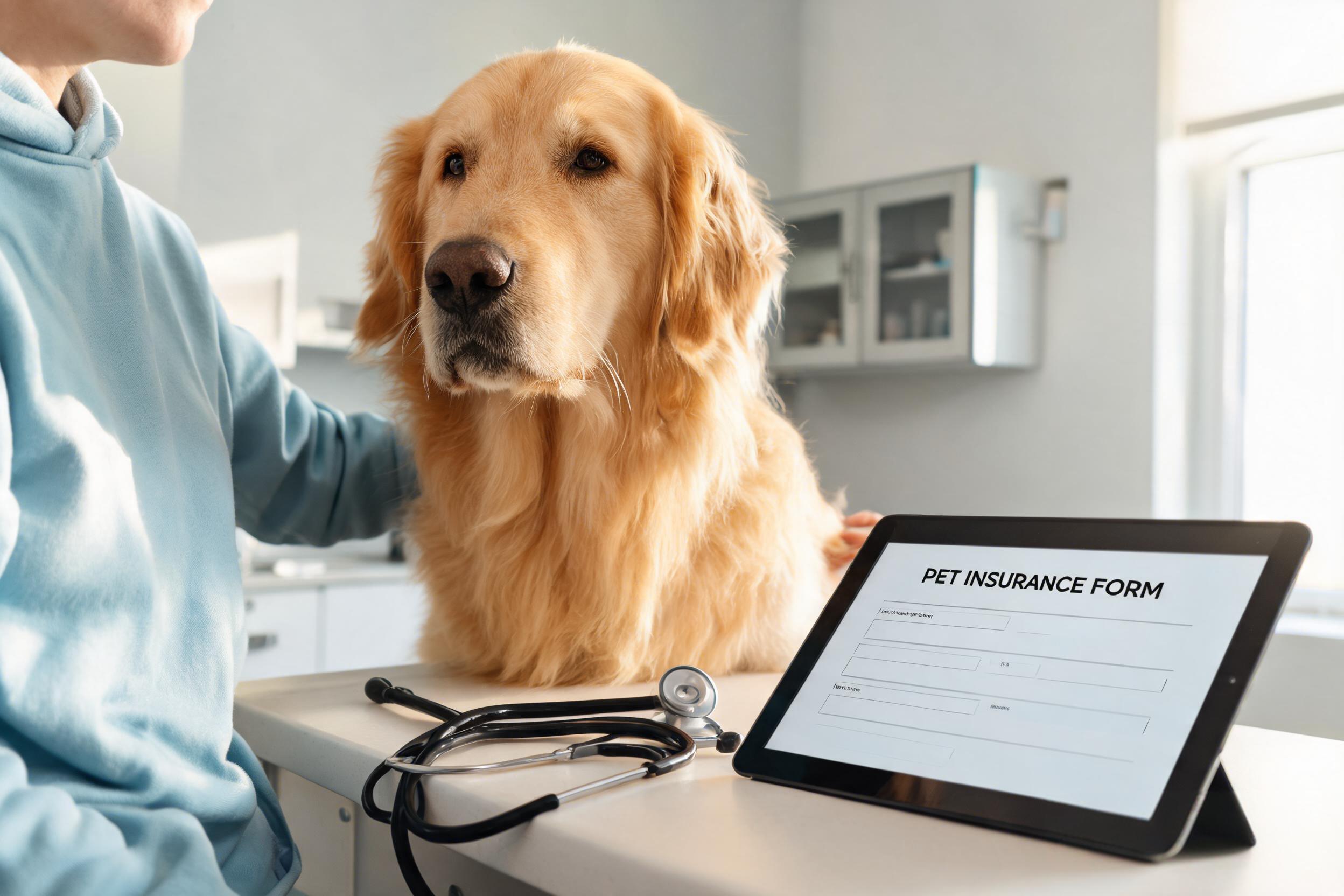
The simplest way to file a claim is through your insurer’s app, often taking just minutes, but you can also ask your vet to submit it via a portal or use paper forms.
Why Understanding the Claims Process Matters
Understanding the claims process is critical for two reasons: financial planning and claim approval. Knowing how reimbursement works means you need access to cash or credit to cover the upfront vet bill — you can’t rely on the insurance company to pay the hospital at checkout. Secondly, a minor paperwork error or missing medical records can result in a denial or delay of two to thirty days. An estimated 87% of policyholders say insurance helps them feel at ease, but only if the claim pays out.
How to File a Claim: Step-by-Step
Step 1: Pay the Vet
Because insurance works on reimbursement, when you are at the clinic, you pay the entire bill. Ensure the invoice is itemized (listing specific treatments, not just “surgery”) and shows a balance of “$0” or “Paid in Full.”
Step 2: Gather Your Documents
Before you leave the vet, ask for the SOAP notes — the clinical records (Subjective, Objective, Assessment, Plan). Insurance adjusters use these to verify the timeline of symptoms and rule out pre-existing conditions. If your claim is for a specific injury or illness, having these ready significantly speeds up processing.
Step 3: Submit the Claim
Most modern insurers allow you to submit via an app. You will usually need:
- The itemized invoice
- The vet’s diagnosis
- Test results (if applicable)
First-Time Claim: If you haven’t already done so, the insurer will pull your pet’s full medical history from the previous 12 months. This is the most common bottleneck. If you want to speed this up, authorize your vet to fax or email the full record directly to the insurer.
Step 4: The Waiting Period
Once submitted, processing times vary. App-first carriers often process claims within 24 hours to 5 days. Traditional carriers might take up to 30 days.
The 2026 Factor: AI, Instant Claims, and Direct Pay
The pet insurance landscape is shifting rapidly. The claims process is no longer just about mail-in forms.
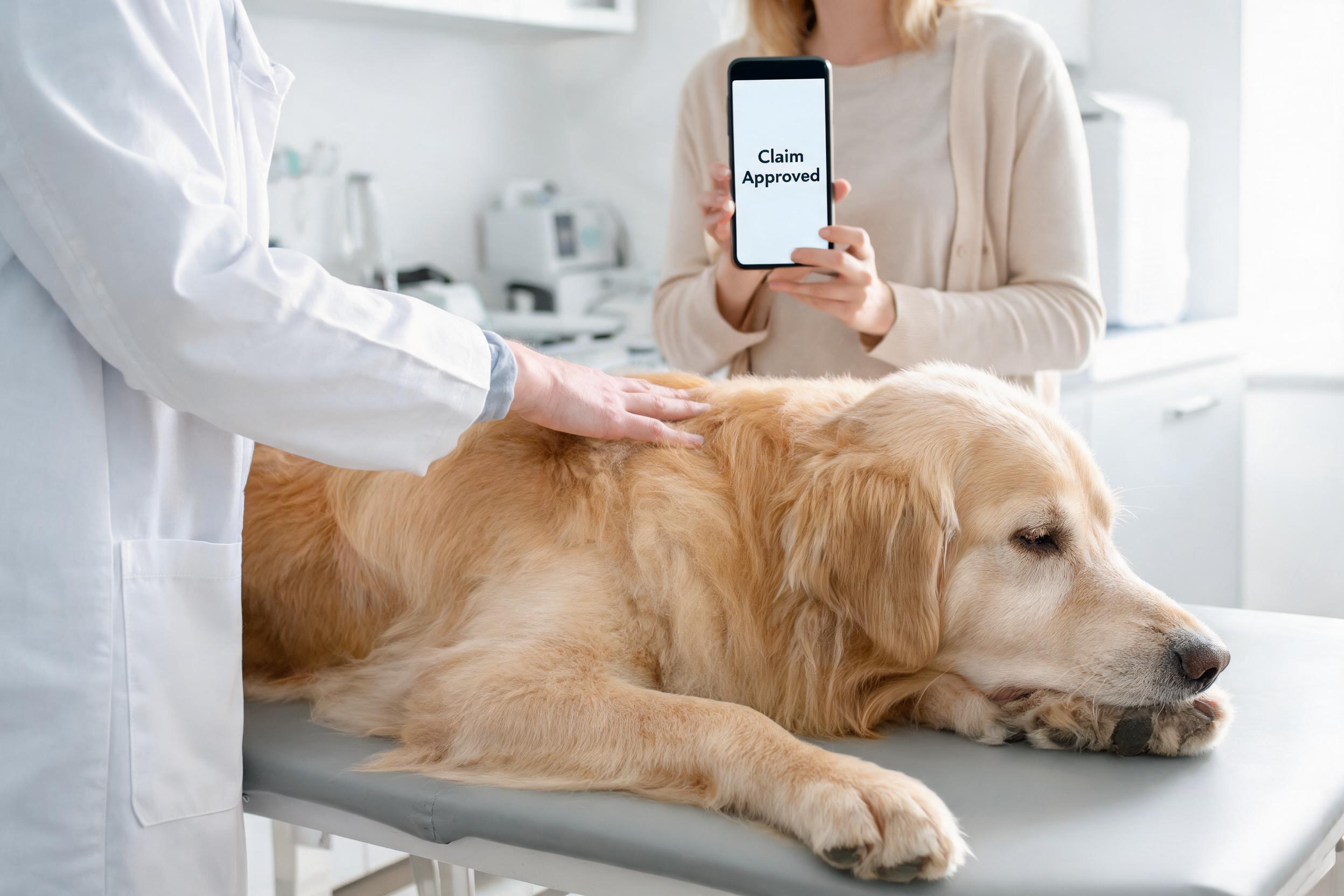
- AI and Instant Claims: Some insurers now use AI for claims, handling approximately 50% of eligible claims instantly by scanning the invoice and vet notes against the policy terms. This means you can get a reimbursement decision in seconds rather than days.
- Direct-to-Vet Payments: The “pay upfront” rule is changing. Trupanion offers a direct-pay option that allows vets with special software to receive payment directly at checkout, eliminating the upfront financial burden.
- The “Gap-Only” Model: Similar to direct pay, some services allow vets to submit claims on the spot so the owner only pays the difference between the total bill and the claim benefit.
Comparison: “Reimbursement” vs. “Direct Pay” Carriers
| Feature | Traditional Reimbursement | Direct-Pay | Hybrid |
|---|---|---|---|
| How It Works | You pay 100% upfront; get reimbursed later | Vet bills the insurer directly (if software installed) | You pay upfront; AI processes claim in minutes/days |
| Processing Time | 5 to 30 days | Immediate (seconds) | 24 hours to 5 days (often via app) |
| Upfront Cost | High — you need to cover the bill | Low — you only pay your deductible/coinsurance at checkout | High — you pay upfront |
| Vet Restrictions | You can use any vet in the US | Limited to vets with the specific software (but growing) | Any vet |
Recommended Products for Dog Owners
See the comparison cards below for our top picks across fast claims, multi-pet households, and direct-pay convenience.
FAQ
1. Why was my claim denied?
The top reason is pre-existing conditions. The insurer will request medical records to ensure the illness/injury didn’t exist before the policy’s start date or during the waiting period. Other reasons include missing paperwork (like an itemized invoice) or missing filing deadlines (usually 90-180 days).
2. What is a “waiting period” and how does it affect claims?
A waiting period is the time between your policy purchase and when coverage starts. Most illness cover has a 14-day waiting period, while orthopedic conditions (like ACL tears) can have up to 6 months. If a symptom appears during this time, it is deemed pre-existing and will not be paid.
3. Can my vet submit the claim for me?
Yes, but it depends on the software. Many vets now use portals to submit claims directly on your behalf. However, in most US models, you are responsible for paying the bill and submitting the claim to the insurance company.
4. How long does it take to get reimbursed?
It ranges from 2 days to 30 days. If the claim is simple and submitted via an AI-enabled app, it can be processed in 24 hours. If it is a complex, multi-thousand-dollar surgery requiring a manual review of medical records, it may take the full 30-day window.
5. How is the reimbursement amount calculated?
The formula is usually: (Total Vet Bill − Annual Deductible) × Reimbursement Rate. For example: Bill = $5,000; Deductible = $250; Rate = 80%. Your payout = ($5,000 − $250) × 80% = $3,800. Your out-of-pocket = $1,200.
Conclusion
Navigating the pet insurance claims process should never add stress to an already difficult time. The key to success is preparation: know your policy’s waiting periods, ask your vet for detailed SOAP notes, and choose a provider whose claim-processing speed fits your budget.
Disclaimer: This article provides general information and should not be considered financial or medical advice. Always review your specific policy documents for coverage details.