Summary: Canine ear infections are more than just a nuisance — they are a complex, often painful condition that is becoming increasingly difficult to treat due to rising antimicrobial resistance. This guide explores the latest 2026 veterinary insights into why ear infections recur, the new “azole-resistant” yeast threat, and how long-acting, antibiotic-free treatments are changing the game for dog owners.
Why Your Dog’s Ear Infection Keeps Coming Back
If you are a dog owner, you know the drill. The head shaking, the foul odor, the scratching, and the reddish-brown discharge. You take your dog to the vet, get some drops, and within a week, things seem better. But a few months later, it starts all over again. You are not alone. In fact, ear infections are one of the most common reasons for veterinary visits, ranking as the third most common medical condition treated by vets, following skin allergies.
Why is this problem so persistent? For years, the standard approach — a combination of antibiotics, antifungals, and steroids — seemed to work. However, recent 2026 research and clinical data reveal a disturbing trend: the drugs we rely on are losing their effectiveness. We are facing a “silent epidemic” of resistance in canine ear infections.
What Is a Dog Ear Infection (Otitis Externa)?
In veterinary terms, an ear infection is known as otitis externa, which simply means inflammation of the external ear canal. This condition isn’t just a simple infection; it is almost always a symptom of an underlying issue. While bacteria and yeast overgrowth cause the visible signs, they are rarely the primary problem. Ear disease is rarely a primary problem, and ear infection is never a primary disease.
Usually, the root cause is an allergy (environmental or food) that changes the environment of the ear canal, making it hospitable to yeast and bacteria. Other contributors include foreign bodies (like grass seeds), hormonal issues (hypothyroidism), or even ear conformation (floppy-eared breeds).
Why This Matters in 2026
The Resistance Crisis: Miconazole and the “A302” Mutation
For years, miconazole, an antifungal, has been the first line of defense against yeast (Malassezia) infections in dog ears. However, a groundbreaking 2026 study identified a specific genetic change in Malassezia that makes it resistant to miconazole.
This resistance is driven by a mutation in the ERG11 gene at a spot called “A302.” This mutation alters the structure of the yeast cell, preventing the miconazole from binding and killing it. What does this mean for you? If your dog has a recurrent yeast infection, it might not be because you are bad at giving drops. It could be because the yeast is now resistant to the medication. Veterinarians are now urging caution against using long-tailed azoles right away, recommending they be saved for truly resistant cases to prevent further resistance.
The Rise of Multidrug-Resistant Bacteria
It’s not just yeast. Bacteria like Pseudomonas aeruginosa and Staphylococcus pseudintermedius (including MRSP) are also developing resistance. A 2026 surveillance study found that 26.1% of Pseudomonas isolates from companion animals were resistant to ciprofloxacin, a common antibiotic used for stubborn ear infections. This means that the “big guns” we used to rely on are becoming less effective, making treatment more complex and costly.
Symptoms to Watch For
- Head shaking or tilting.
- Scratching at the ear.
- Redness and swelling of the ear flap or canal.
- Odor: A yeasty smell often indicates fungal infection; a foul, sickly-sweet smell often points to bacteria.
- Discharge: Dark brown/black wax (often yeast) or yellow/green pus (often bacteria).
- Pain or sensitivity when touched near the ears.
The 2026 Treatment Shift: A Comparison
| Feature | Traditional Home Drops | Long-Acting/Limited-Use Options | The Integrative/Alternative Route |
|---|---|---|---|
| Administration | Owner-administered daily | Vet-administered, single or two-dose | Supportive therapies |
| Pros | Cheap, immediate availability | Compliance guaranteed, less stress for the dog, reduces selection pressure for resistance | Addresses root causes, bypasses resistance mechanisms |
| Cons | High failure rate due to owner compliance; increased risk of resistance due to misuse | More expensive; requires vet visit for each dose | Generally supportive, not curative in severe acute cases |
| Key Insight | Resistance to miconazole is clinically significant, especially if the underlying allergy isn’t treated | DuOtic is the first FDA-approved antibiotic-free antifungal gel for yeast, supporting stewardship | Emerging evidence supports ozone therapy and N-acetylcysteine (NAC) for resistant bacteria |
Section 1: The Detailed Explanation of the Problem
The Allergy Connection
Why do ears get infected in the first place? In most recurrent cases, it is allergies. If a dog has a food or environmental allergy, the immune system reacts by causing inflammation. In the ear canal, this inflammation leads to more wax production and a change in the microbiome.
The Cytology Imperative
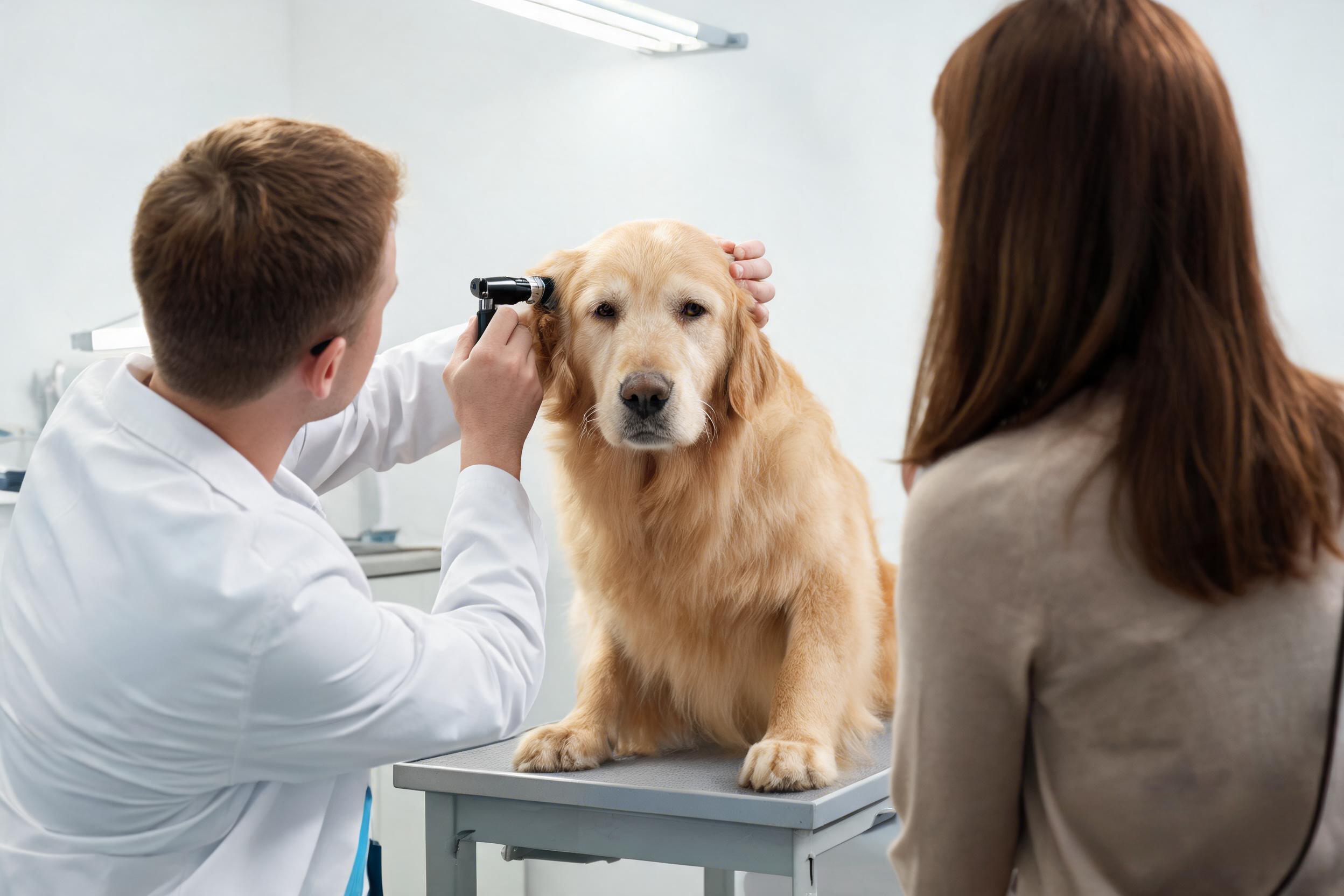
In a busy clinic, it is tempting to just prescribe a standard combination drop. However, 2026 guidelines emphasize that vets must do a cytology (looking at ear wax under a microscope) before prescribing. You cannot treat a bacterial infection with an antifungal, and vice versa. Overusing antibiotics for yeast-only infections is a primary driver of global resistance. A Swedish study showed that only 2% of acute ear infection cases required antibiotics when proper diagnostic protocols were followed.
Biofilm: The Shield
If your dog has a chronic, sticky, oozing infection, it likely involves biofilm. Biofilm is a slimy layer that bacteria and yeast produce to protect themselves from drugs. Products containing TrizEDTA or N-acetylcysteine (NAC) are crucial for breaking down this shield before treatment.
Section 2: Solutions and Recommendations for 2026
1. Stewardship and Diagnostics
The first step is “antimicrobial stewardship.” This means using the right drug for the right bug. Demand a cytology from your vet.
2. The New Long-Acting Options
If your dog is hard to medicate, ask about long-acting single-dose treatments. For yeast-only cases, DuOtic is a game-changer because it is an antibiotic-free gel administered by the vet in two doses, seven days apart.
3. Maintenance and Biofilm Management
For allergic dogs, maintenance is key. A topical steroid-spiked ear cleaner used weekly can help manage inflammation and prevent flare-ups.
4. Natural and Supportive Adjuncts
For mild cases, research suggests that adjunctive therapies can support the immune system and inhibit microbes without promoting resistance.
- Coconut Oil (MCT Oil): Disrupts fungal membranes physically, bypassing drug resistance mechanisms.
- Apple Cider Vinegar: Mild acidification disrupts yeast, but should never be used if the eardrum is ruptured.
Section 3: Traditional vs. Modern Treatment
| Feature | Traditional Therapy | Novel Antibiotic-Free Therapies |
|---|---|---|
| Common Drugs | Gentamicin, miconazole, clotrimazole | Terbinafine-based gels, ozone |
| Mechanism | Kill bacteria/yeast directly | Kill fungi but spare antibiotics; or physically disrupt membranes |
| Resistance Risk | High (especially miconazole, fluoroquinolones) | Low (non-specific physical mechanisms don’t induce resistance) |
| Compliance | Low (owner admin) | High (vet admin) |
| Best Used For | Acute, first-time infections (with cytology) | Recurrent, resistant, or yeast-only cases |
Recommended Products
See the comparison cards below for our top picks across weekly maintenance, routine care, and medicated support cleansers.
FAQ
1. Can I use apple cider vinegar to treat my dog’s ear infection?
ACV can help acidify the ear canal to fight yeast, but only in very mild cases. If the eardrum is ruptured (common in severe cases), it can be extremely painful and dangerous. Never use it on raw, inflamed, or bleeding ears. Always consult your vet first.
2. Why do long-eared dogs get more ear infections?
Breeds like Cocker Spaniels or Basset Hounds have heavy, floppy ears that reduce airflow. This creates a warm, dark, and humid environment — a perfect breeding ground for yeast and bacteria, especially when combined with allergies.
3. What does a “resistant” ear infection look like?
You will likely see a persistent, foul-smelling discharge that doesn’t get better after a full course of prescribed drops. The dog continues to shake its head and scratch, and the ear may become thickened or scarred over time. You might need a culture and sensitivity test to identify the culprit.
4. What is “DuOtic” and why is it different?
DuOtic is the first FDA-approved antibiotic-free otic gel. It contains terbinafine (antifungal) and betamethasone (steroid). It is administered by the vet in two doses, seven days apart. This ensures compliance and avoids the use of antibiotics when only yeast is present.
5. My dog has a yeast infection. Is the food to blame?
Yes, possibly. Food allergies are a top cause of recurrent otitis. Even if your dog has eaten the same food for years, they can develop an allergy. Consult your vet about starting a strict food trial with a novel protein or hydrolyzed diet.
Conclusion
Managing your dog’s ear health in 2026 requires a shift in mindset. It is no longer just about “treating the infection”; it is about managing the underlying cause (usually allergies) and preserving the effectiveness of critical medications.
Your checklist:
- Ask for a cytology — confirm whether the infection is yeast or bacteria before treatment.
- Discuss the resistance risk if your dog has a recurrent yeast infection, and ask about newer antibiotic-free options.
- Set up a maintenance routine if your dog suffers seasonally, including weekly cleaning to keep inflammation at bay.
Disclaimer: This article is for informational purposes only and does not constitute medical advice. Prescription therapies mentioned require veterinary diagnosis and monitoring.