Summary: Dehydration in dogs is a common yet serious condition that can escalate from mild to life-threatening rapidly. This comprehensive guide provides dog owners with veterinary-approved techniques for identifying early signs, understanding the causes, and implementing prevention strategies. We also explore the latest 2026 innovations in pet hydration, including advanced water fountains and nutritional supplements, to help ensure your canine companion thrives.
Why Every Dog Owner Needs to Read This
When you search for “dog dehydration signs,” it’s likely because you’ve noticed something “off” about your furry friend. Maybe they seem more tired than usual after a walk, they’re panting heavily, or they just didn’t finish their breakfast. As a responsible pet parent, your instinct is to find answers.
Dehydration is a silent threat that can compromise every system in your dog’s body. This isn’t just about offering a bowl of water; it’s about recognizing that a dog’s body is sending distress signals that require your immediate attention. The consequences of missing these signs can range from a sluggish, uncomfortable pet to a life-threatening emergency involving organ failure and shock. This guide, grounded in veterinary science and current best practices, will empower you to confidently assess, treat, and prevent dehydration, ensuring your dog’s health and vitality.
Understanding Dehydration: More Than Just a Lack of Water
Dehydration occurs when a dog’s body loses more water and essential electrolytes (like sodium and chloride) than it takes in. This imbalance disrupts normal cellular and organ function. Water is the medium through which every biological process occurs, from nutrient absorption and waste removal to temperature regulation and joint lubrication.
Why It Matters
Think of dehydration as a domino effect. If untreated:
- Circulatory System: Blood volume decreases, forcing the heart to work harder to pump oxygen and nutrients to vital organs. This results in a weak, rapid pulse and poor circulation.
- Thermoregulation: Dogs rely heavily on panting and sweating through their paw pads to cool down. These processes require significant fluid. A dehydrated dog becomes more susceptible to heatstroke, a rapidly fatal condition.
- Organ Failure: In severe cases, the kidneys and liver struggle to filter waste, leading to a toxic buildup in the bloodstream. The body may begin to fail if fluid is not restored quickly.
A Veterinarian’s Checklist: Spotting the Red Flags
Mild dehydration is notoriously difficult to spot with the naked eye. By the time visible symptoms appear, your dog may already require urgent care. Here is a checklist for assessing your dog’s hydration status at home.
1. The Gums and Mouth
- The 2-Second Rule: Lift your dog’s lip and press your finger gently against their gums. The tissue should be moist and slick, returning to its normal pink color within 1 to 2 seconds (capillary refill time). If the gums are dry, tacky, or a pale gray/yellow color, it’s a significant warning sign.
- Saliva: Healthy saliva is watery and thin. Thick, sticky, or ropey saliva is a classic indicator of dehydration.
2. The Skin Turgor (“Tenting”) Test
This is a simple test where you gently lift the skin over your dog’s shoulder blades or between the shoulder blades.
- Hydrated: The skin will immediately snap back into place.
- Dehydrated: The skin will take a moment to return to its normal position, forming a “tent.”
- Important Cautions: This test is not reliable in all dogs. Senior dogs naturally lose skin elasticity due to aging, and very thin dogs may have less skin to pinch. In these cases, rely more heavily on other signs like gum condition.
3. Eyes and Energy
- Sunken Eyes: In advanced dehydration, a dog’s eyes may appear dull or seem to recede back into their sockets.
- Lethargy: A dehydrated dog will be lethargic. They might lose interest in play, refuse to get up, or seem uncharacteristically weak. This is your dog’s way of conserving energy to maintain vital organ function.
4. Urine Output
- Color: Is your dog’s urine dark yellow or orange? This is a sign of concentrated urine, indicating the body is conserving water.
- Frequency: A noticeable decrease in the frequency of urination is also a concern.
Causes and Risk Factors
Dehydration isn’t just about forgetting to refill the water bowl. It’s a symptom of an underlying problem in many cases.
Common Causes
- Gastrointestinal Distress: This remains the most common cause. Vomiting and diarrhea cause massive, rapid fluid loss.
- Underlying Disease: Conditions like kidney disease, diabetes, or Cushing’s disease can cause excessive urination (polyuria), dramatically increasing a dog’s water requirements.
- Heat and Activity: With record summer temperatures in many parts of the US, the risk of heat-related dehydration is higher than ever.
- Diminished Thirst Drive: Older dogs sometimes lose their sense of thirst. Puppies, while active, might forget to drink between bursts of play.
A 2026-Specific Insight: The “Sneaky” Dehydration
A trend we’re seeing more of is dehydration related to long-haul travel and chronic stress. As more pet owners travel with their dogs, the combination of stress, unfamiliar surroundings, and reduced water intake during flights or road trips is creating a niche form of “sneaky dehydration.” Your dog may not vomit or have diarrhea, but the stress hormones can alter their fluid balance. If you’re traveling, make it a point to offer electrolyte-rich hydration solutions proactively, not just when your dog looks thirsty.
Your Action Plan: Solutions & Recommendations
Immediate Steps at Home
If you suspect mild dehydration and your dog is not vomiting:
- Start Slow: Offer small amounts of cool, fresh water every 5-10 minutes. A teaspoon for small dogs to a quarter-cup for large breeds is a good starting point. Offering too much too fast can cause vomiting, worsening the dehydration.
- Provide a Cool, Quiet Space: Stop all activity and move your dog to a shaded, air-conditioned, or cool area.
- Electrolyte Solutions: Pet-specific electrolyte products contain the correct balance of electrolytes to replace what is lost. Never give human sports drinks like Gatorade or Pedialyte without veterinary approval, as they are high in sugar and sodium.
When to See a Vet
This is an emergency. Take your dog to a veterinarian immediately if they exhibit any of the following:
- Persistent vomiting/diarrhea: They cannot keep water down.
- Collapse or unresponsiveness: They are unable to stand or are disoriented.
- Pale/cold gums: This indicates compromised circulation.
- Symptoms worsen: They don’t improve within a few hours of offering water.
In a severe case, a vet will administer intravenous (IV) fluids, which is the fastest way to rehydrate and stabilize a dog’s circulation, often saving their life.
Prevention: A Product Guide
1. Upgrade to a Smart Water Fountain
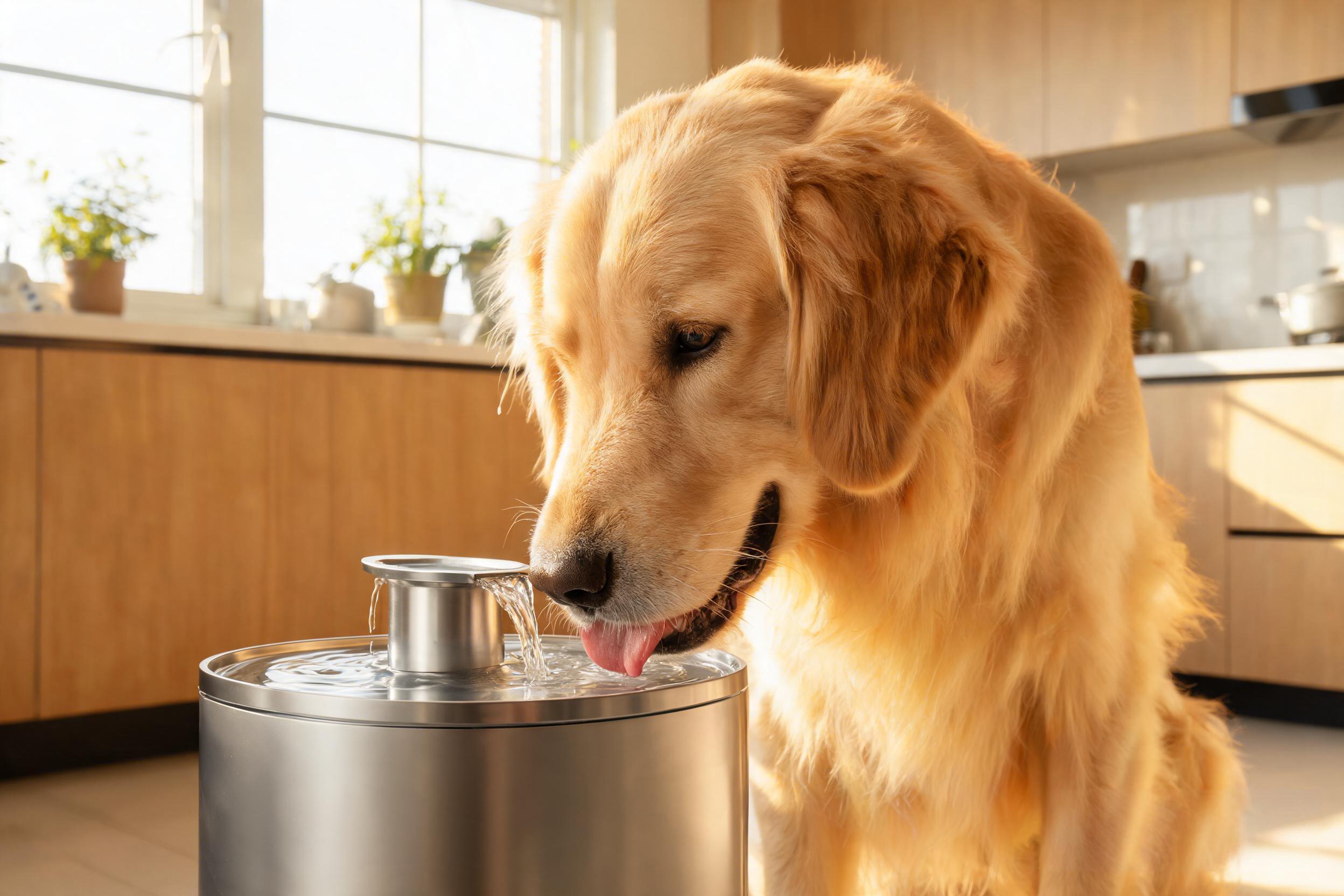
A recirculating water fountain is one of the best investments you can make for your dog. The constant movement aerates the water, keeps it cool, and appeals to a dog’s instinct to drink from running water. Stainless steel construction is preferable to plastic, preventing the biofilm and bacterial growth that can make dogs turn their noses up at a bowl.
2. Flavor Enhancers for Picky Drinkers
If your dog simply isn’t interested in plain water, consider a water enhancer. The market has moved beyond simple flavors to include functional benefits like electrolyte support or dental care, helping fight plaque and tartar while encouraging more drinking.
Comparison: Best Hydration Solutions
| Product | Best For | Key Feature | Price Point |
|---|---|---|---|
| Oneisall 10L Fountain | Large breeds & multi-dog homes | 2.6-gal stainless steel, LED indicator | Mid-range |
| DeftPet 18L Fountain | Giant breeds | 4.76-gal stainless steel, quiet pump | Premium |
| Replenish Supplement | Picky drinkers & post-illness | Vet-formulated electrolytes, chicken flavor | Budget |
| Dental Water Additive | Dental health & daily hydration | Plaque/tartar control, flavorless | Budget |
Recommended Products
See the comparison cards below for our top picks across fountains and electrolyte support.
FAQ
1. How long can a dog go without water?
A healthy adult dog can typically survive 48-72 hours without water, but the signs of dehydration and onset of organ stress can start within 24 hours. This is a maximum, not a recommendation. Puppies, seniors, and sick dogs are at much greater risk and should never be without water for more than 6-12 hours. Always ensure 24/7 access to fresh water.
2. Can I give my dog Pedialyte?
It’s best to avoid Pedialyte or human sports drinks unless a vet specifically instructs you to do so. They are often too high in sodium and sugar for a dog’s system and can exacerbate underlying conditions. Instead, use a pet-specific electrolyte solution.
3. My dog is vomiting and won’t drink water. What should I do?
This is an emergency. Stop offering water and food immediately. Giving water to a vomiting dog will often trigger more vomiting, leading to further fluid loss. Your dog needs professional medical care to receive IV fluids and medication to stop the vomiting. Call your vet or nearest emergency clinic right away.
4. Are water fountains worth the investment?
Yes. A high-quality fountain encourages a dog to drink more because the water tastes better. Movement and aeration keep it fresh, preventing the “stagnant” taste of a bowl. They are particularly valuable for dogs prone to urinary issues or dehydration. Opt for stainless steel over plastic to prevent bacterial buildup.
5. How can I make my dog’s water more appealing at home?
Simple, dog-safe infusions are a great option. Add a few slices of cucumber, strawberry, or a small amount of no-sodium chicken broth to their water bowl. The natural flavors can entice a picky dog to drink more while avoiding the additives found in human products.
Conclusion
Your dog’s health is in your hands. By learning to spot the subtle early signs, understanding the root causes, and implementing smart preventative solutions, you can ensure your canine companion enjoys a long, healthy, and vibrant life.
Disclaimer: This article is for informational purposes only and does not constitute medical advice. If your dog shows signs of severe dehydration, seek veterinary care immediately.