Summary: Vomiting in dogs is a common issue caused by everything from simple dietary indiscretion to life-threatening conditions like bloat or poisoning. While an isolated episode may resolve on its own with home care, persistent vomiting, especially with blood or lethargy, requires immediate veterinary attention. This guide provides a veterinary-like overview to help you understand why your dog is vomiting, how to treat mild cases at home, and when to rush to the emergency clinic.
Understanding Why This Matters
As a dog owner, few things are as alarming as watching your beloved companion throw up. You search for answers because you need to determine if this is a minor, passing issue or a sign of a severe medical emergency. This guide is designed to give you that clarity by walking through the various reasons for vomiting, helping you “read” the signs, and providing a step-by-step plan to manage the situation.
What Is Vomiting in Dogs?
It’s important to first understand the biological process. Vomiting, or emesis, is an active process. It involves the forceful expulsion of stomach and upper intestinal contents through the mouth. This is typically preceded by signs of nausea, such as lip-licking, drooling, restlessness, and excessive swallowing. The act itself involves strong, involuntary contractions of the abdominal muscles and diaphragm.
It is vital to differentiate vomiting from regurgitation. Regurgitation is a passive process. It happens without warning or effort. The food or liquid that is brought up is usually undigested and may have a tubular shape reflecting the shape of the esophagus. Regurgitation is generally less serious than vomiting and often points to issues with the esophagus, not the stomach. Understanding the difference is the first step in accurately assessing the situation.
Why Does My Dog Vomit? The Many Possible Causes
-
Dietary Indiscretion: This is the most common cause. It includes eating too fast, overeating, scavenging garbage, eating spoiled food, or a sudden change in diet. Dogs often eat things they shouldn’t, leading to acute gastroenteritis (inflammation of the stomach and intestines).
-
Gastrointestinal Issues:
- Infections: Bacterial (e.g., Salmonella, E. coli), viral (e.g., Parvovirus, especially in unvaccinated puppies), and parasitic (e.g., roundworms, Giardia) infections can all cause vomiting.
- Obstructions: This is a serious cause where a foreign body (toy, bone, fabric), a tumor, or a twisted intestine blocks the digestive tract. This often leads to persistent, projectile vomiting. A sign of a complete blockage can be feces-smelling vomit.
- Inflammatory Bowel Disease (IBD): A chronic condition causing inflammation of the intestinal lining.
-
Systemic Diseases: Vomiting can be a symptom of issues outside the digestive system, including kidney disease, liver failure, pancreatitis, or diabetic ketoacidosis.
-
Toxins and Poisons: Ingestion of toxic plants, chemicals, human medications, or household cleaners can trigger vomiting as the body tries to expel the poison.
-
Other Causes: Motion sickness, stress and anxiety, heatstroke, and neurological disorders can also be responsible.
Decoding the Vomit: What the Color and Consistency Tells You
| Appearance | Potential Cause | Action Needed |
|---|---|---|
| Yellow/Bile-Stained | Empty stomach (bilious vomiting syndrome) or irritation from bile; common in the morning | Often not an emergency if isolated; can be managed with more frequent meals |
| White & Foamy | Stomach acid, or sometimes a sign of bloat (GDV) if accompanied by a distended, painful abdomen | Monitor closely; if repeated and dog is in distress, seek immediate emergency care |
| Clear Liquid | Water that was consumed too quickly and expelled | Typically not a concern if isolated |
| Mucus/Slime | Stomach irritation; can be a sign of ingesting a harmful or irritating substance | Veterinary evaluation recommended |
| Undigested Food | Often caused by eating too fast, overeating, or stress | Usually resolves on its own |
| Blood (red/streaks) | Bleeding in the upper digestive tract | Medical emergency — see a vet immediately |
| Coffee grounds (dark) | Digested blood, indicating bleeding in the stomach or upper intestines | Medical emergency — see a vet immediately |
| Grass | Often done to induce vomiting or due to boredom/dietary need | Occasional is okay; frequent may indicate gastrointestinal issues |
| Feces-smelling | Sign of a severe intestinal blockage | Life-threatening emergency requiring immediate veterinary surgery |
How Serious Is It? Acute vs. Chronic Vomiting
- Acute (Short-term) Vomiting: This lasts less than 3-4 days. Most cases of acute vomiting resolve on their own or with simple home care. Many of these are caused by dietary indiscretion. According to one investigation, 89% of these cases resolve within two days.
- Chronic (Long-term) Vomiting: This is defined as vomiting that persists for more than a few days or occurs frequently and regularly. This requires a more detailed veterinary examination to diagnose underlying issues like IBD, organ failure, or cancer.
What to Do When Your Dog Vomits: A Step-by-Step Guide
Step 1: Assess the Situation
Immediately seek emergency veterinary care if you observe any of these signs:
- Blood in the vomit.
- Persistent vomiting that doesn’t stop or happens many times in a row.
- Lethargy, weakness, or collapse.
- Abdominal pain or distension (a swollen, hard belly).
- Suspected ingestion of a foreign object or toxin.
- The dog is a puppy or a senior or has a pre-existing health condition.
Step 2: Home Care for Mild Cases
If your dog is otherwise alert and acting normally, you can try the following at-home care protocol.
- Withhold Food (Not Water): For adult dogs, withhold food for 6–12 hours to allow the stomach to rest. This is not recommended for puppies or toy breeds.
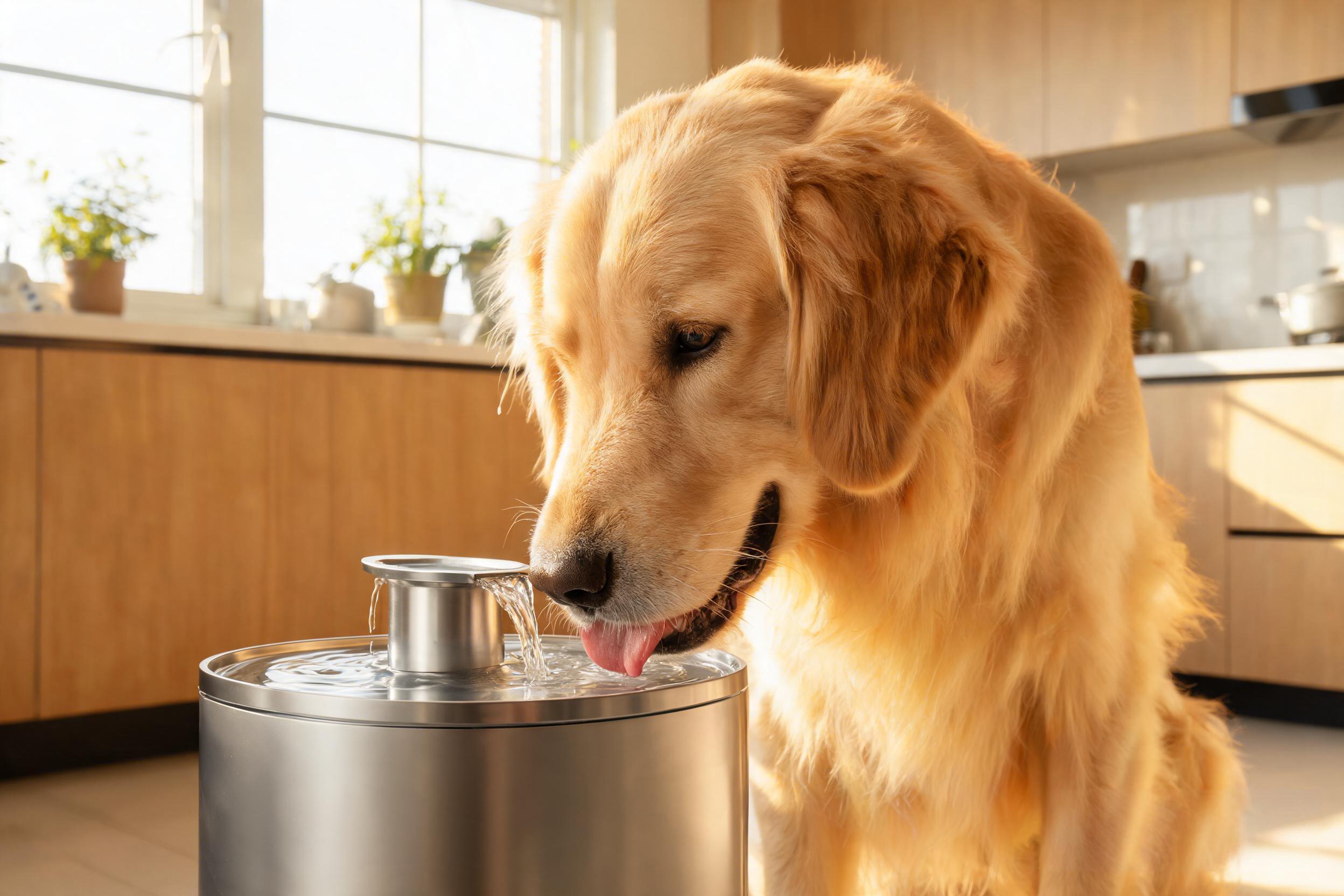
- Manage Hydration Carefully: This is critical. Do not let your dog gulp large amounts of water, as it may induce more vomiting. Offer small amounts of water frequently — a few tablespoons every 20-30 minutes. Ice cubes can be a good alternative.
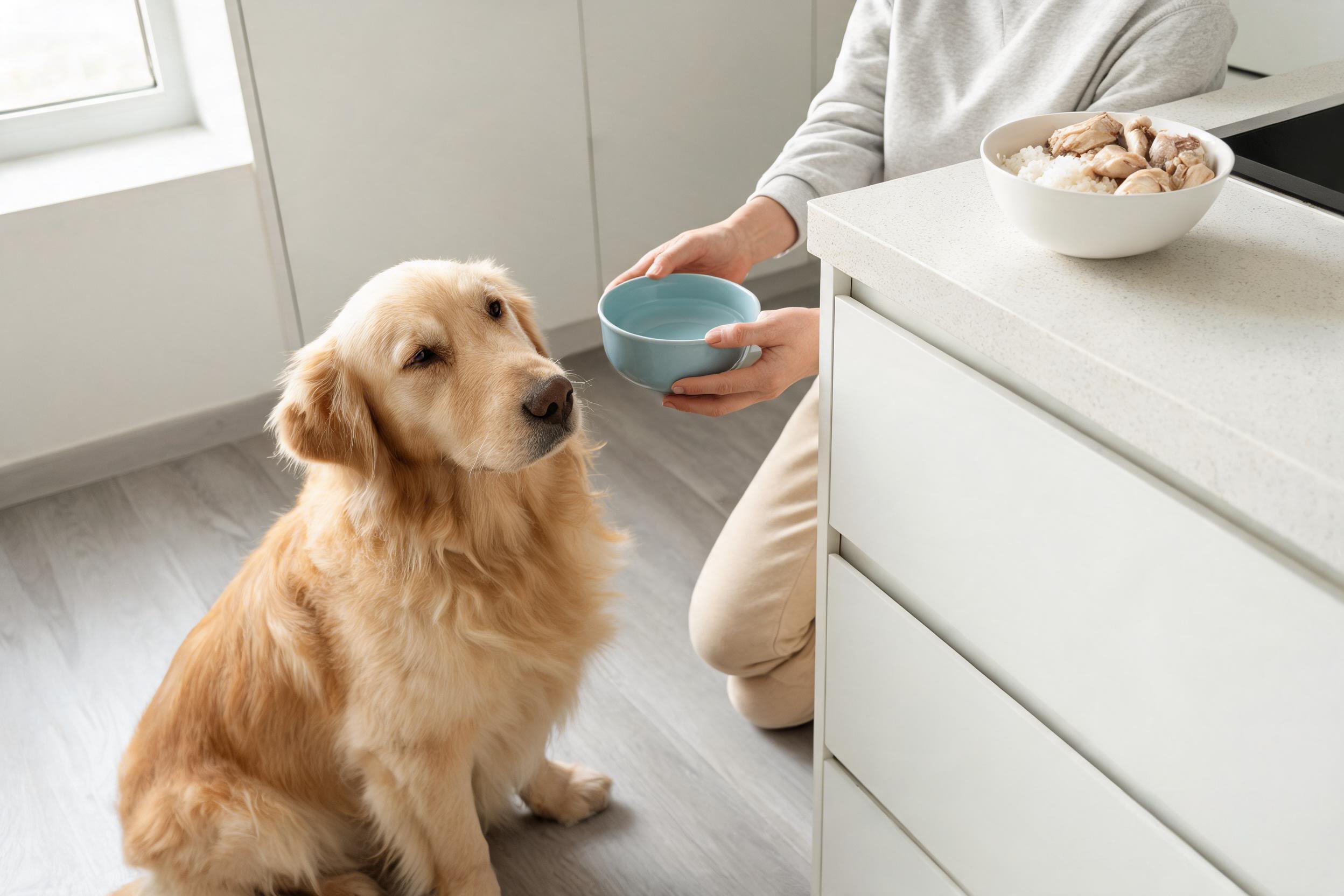
- Start a Bland Diet: If vomiting has stopped for a few hours, introduce small amounts of a bland, easily digestible diet. The gold standard is boiled, skinless chicken breast (no bones or seasoning) mixed with plain white rice.
- Reintroduce Normal Food Slowly: Once your dog can keep the bland diet down for 24 hours, gradually mix in their regular food over a few days.
Step 3: When to See the Vet
If there is no improvement within 24 hours, or if vomiting recurs, it’s time for a veterinary visit. Your vet may perform blood tests, fecal exams, X-rays, or ultrasounds to find the root cause.
Emergency Situations: What Is a Gastrointestinal Motility Disorder?
In chronic cases, your veterinarian might mention a “gastrointestinal motility disorder.” This means the stomach and intestines aren’t moving food along properly. This can be caused by a blockage (mechanical) or issues with the nerves and muscles that control digestion (functional). A functional disorder like this can be secondary to other issues like severe inflammation.
Recommended Products to Have on Hand
See the comparison cards below for our top picks to support gut health, bland-diet recovery, and slower eating.
FAQ
1. My dog ate grass and then threw up. Is that normal?
Yes, it’s quite common. Dogs often eat grass, and some believe it’s to settle their stomach or induce vomiting to expel something irritating. However, if your dog is frequently eating grass and vomiting, it could indicate a more chronic gastrointestinal issue, and you should consult your vet.
2. Can I give my dog Pepto-Bismol or other human medications for vomiting?
Never give your dog any human medication without explicit instruction from a veterinarian. Many human medications are toxic to dogs. Your vet can prescribe safe and effective anti-nausea drugs like maropitant citrate.
3. What is bilious vomiting syndrome?
This occurs when a dog vomits yellow bile, usually in the morning after an empty stomach. It often happens because bile, which is irritating to the stomach, accumulates while the dog is fasting overnight. It can often be managed by feeding a small meal or a snack right before bed.
4. How do I know if my dog has bloat (GDV) and it’s an emergency?
Gastric Dilatation-Volvulus (GDV) is a life-threatening condition. Signs include a swollen, hard abdomen, unproductive retching (trying to vomit but nothing comes out), excessive drooling, restlessness, and signs of pain. If you see these signs, get to an emergency vet immediately.
5. Is it okay to let my dog drink water after they vomit?
Yes, but do so very carefully. Offer small amounts of water or ice chips frequently. Giving them a large bowl of water will likely cause them to drink too fast and vomit again.
Conclusion
Vomiting is a common but often stressful event for dog owners. By understanding the difference between a minor upset and a serious problem, you can provide the best care for your furry friend. When in doubt, it is always safest to consult your veterinarian.
Disclaimer: This article is for informational purposes only and does not constitute medical advice. If your dog shows any emergency warning signs, seek veterinary care immediately rather than relying on home remedies.