If your dog won’t stop scratching, you’re not alone. Itching is one of the top reasons US dog owners seek veterinary care, and the landscape of available treatments has changed dramatically in 2026. This guide covers everything from novel prescription therapies to essential over-the-counter solutions for dog itching skin treatment.
Why This Matters Now
Chronic itching in dogs — known medically as pruritus — is more than just an annoyance. It’s a sign of underlying skin disease that can lead to infections, hair loss, and a significantly reduced quality of life for both you and your pet. While conventional approaches have long relied on steroids and antihistamines, the veterinary field has recently seen a revolution in targeted therapies, offering safer and more effective options than ever before.
Recent data shows that nearly 9 in 10 dogs in the US are considered “itchy dogs” by their owners, having experienced symptoms of itch at some point throughout the year. This widespread issue, combined with breakthrough treatments launched in late 2025 and early 2026, makes this the perfect time to reevaluate your approach to managing your dog’s skin health.
Understanding Canine Pruritus: The Root of the Problem
Pruritus, or itching, is not a disease itself — it’s a clinical sign of an underlying condition. While an occasional scratch is normal, persistent scratching, licking, or chewing is a red flag.
The Primary Causes of Dog Itching
-
Allergies: This is the most prevalent cause of chronic scratching. Allergies can be triggered by environmental factors like pollen, mold, or dust mites; food ingredients; or flea saliva. Reactions to food or environmental irritants are the leading causes of allergic dermatitis in dogs.
-
Parasites: Fleas, ticks, and mites (like Sarcoptes or Demodex) are common culprits. A single flea bite can trigger an intense allergic reaction in sensitive dogs.
-
Infections: Bacterial (pyoderma) and yeast (Malassezia) infections can cause intense itching, redness, and a characteristic odor. These infections are often secondary to allergies, creating a frustrating cycle of itching and infection.
-
Dry Skin: Environmental factors like low humidity, cold weather, or poor nutrition can strip moisture from a dog’s skin, leading to flakiness and itchiness.
-
Contact Dermatitis: Reactions to harsh shampoos, cleaning products, or even certain materials can cause localized skin irritation.
Symptoms to Watch For
- Excessive scratching, licking, or chewing — especially on paws, belly, face, and base of the tail
- Red, inflamed, or greasy skin
- Hair loss or bald patches
- Crusty, scabby, or flaky skin (dandruff)
- A musty or foul odor
- Hot spots — moist, oozing sores that develop from intense licking and scratching
The 2026 Treatment Landscape: New Prescription Therapies
For years, treatment options were limited to steroids with significant side effects or immunosuppressants. 2026 has marked a turning point with the wider availability of targeted therapies that interrupt the itch cycle at its source. These are prescription treatments and require veterinary diagnosis and monitoring.
Monoclonal Antibody Therapies
These injectable treatments work by neutralizing IL-31, a key cytokine that transmits itch signals to a dog’s brain. Cytopoint has been a standard biologic treatment for several years, providing about 4-8 weeks of itch relief. Newer injectable monoclonal antibodies launched in 2026 represent further advancement, with some studies showing itch control starting within 24 hours of injection and sustained relief for 6 to 8 weeks. This gives pet owners another powerful option that doesn’t require daily oral medication, making it easier to manage chronic allergies.
Next-Generation JAK Inhibitors
Janus Kinase (JAK) inhibitors target specific pathways involved in allergic inflammation. Second-generation JAK inhibitors approved in late 2025 and becoming available in 2026 are designed to be more selective for JAK1 over other JAK proteins, contributing to a favorable safety profile. These can be an ideal first-line treatment for some dogs, as a once-daily oral tablet that begins to relieve itching within 2-4 hours of the first dose — a speed of action unmatched by many other treatments. As prescription medications, these must be prescribed and monitored by a veterinarian.
Supporting Your Dog at Home: Topical and Holistic Care
While prescription therapies are valuable tools, home care remains crucial for managing flare-ups and maintaining skin health. Always use these in conjunction with veterinary advice.
OTC Topical Treatments
For mild itching, localized hot spots, or as an adjunct to other treatments, over-the-counter products can offer significant relief.
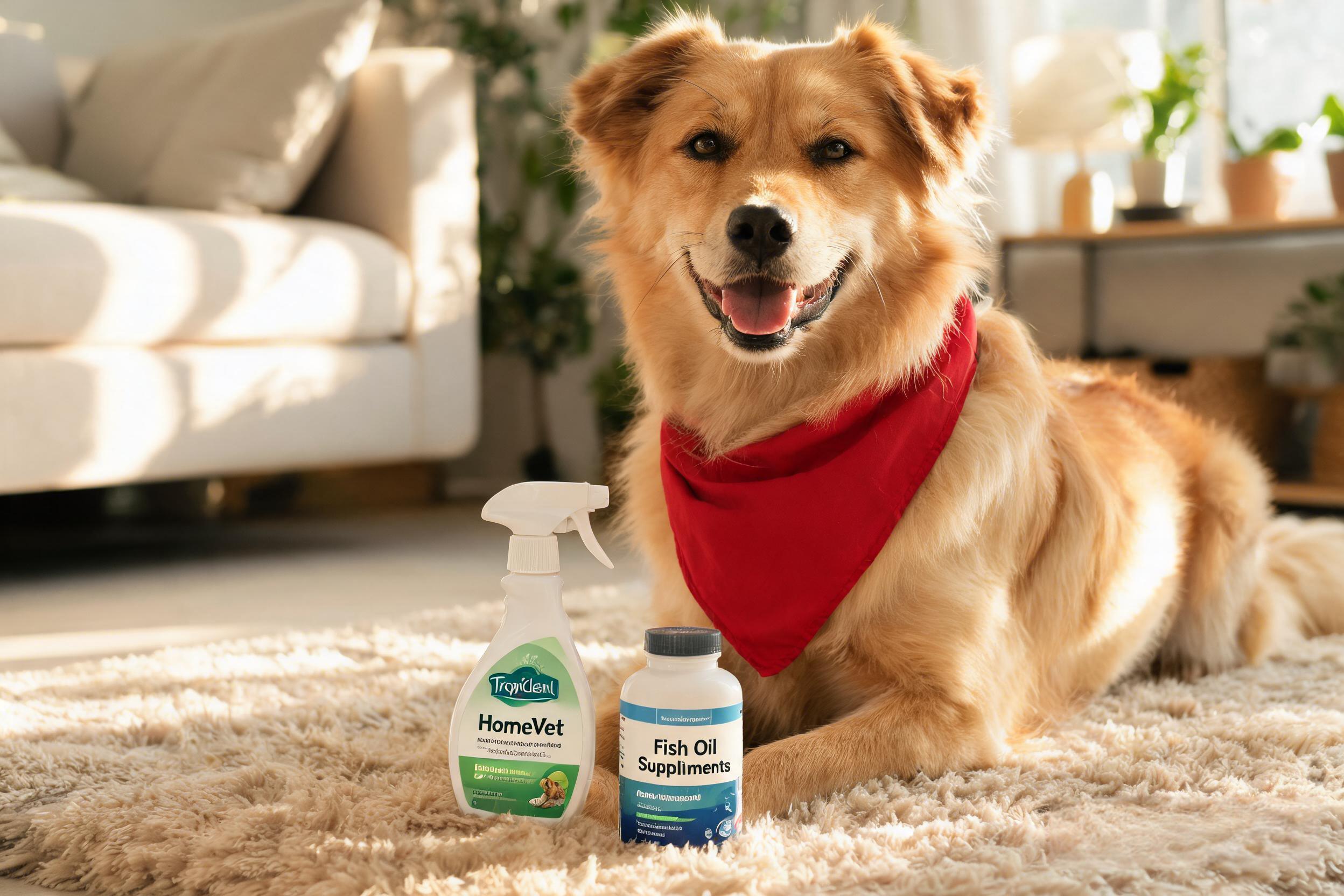
TropiClean HomeVet Itch & Allergy Spray is a great first-line option for general itching. It contains 0.25% hydrocortisone to reduce inflammation, colloidal oatmeal to soothe, and glycerin to hydrate. It provides fast, temporary relief for mild allergies and dryness without a vet visit.
TropiClean HomeVet Hot Spot Cream is excellent for targeted relief of hot spots or persistent localized irritation. It contains 1% lidocaine (a topical anesthetic for immediate pain and itch relief), 1% hydrocortisone (to reduce inflammation), and 0.3% chlorhexidine gluconate (an antiseptic to help prevent and treat mild bacterial infections). Remember to use an e-collar to prevent licking immediately after application.
Key Ingredients for Relief
When selecting shampoos, sprays, or balms, prioritize products with these proven ingredients:
- Colloidal Oatmeal: A natural anti-inflammatory and moisturizer that soothes irritated skin.
- Aloe Vera: Known for its cooling and healing properties.
- Ceramides: These help strengthen the skin’s barrier function, preventing moisture loss.
- Omega Fatty Acids (Omega-3 and Omega-6): Found in supplements and some foods, they reduce inflammation and support coat health from the inside out.
The Probiotic Frontier
The link between gut health and skin health (the gut-skin axis) is a growing area of research. A 2026 study highlighted the potential of canine-derived Lactobacillus acidophilus in modulating allergic inflammation, showing it could suppress Th2-driven allergic responses and reduce key inflammatory markers in animal models. While more research is needed, choosing a canine-specific probiotic may be a beneficial addition to your dog’s skin care regimen, reflecting a shift towards managing skin conditions by supporting the whole-body immune system.
Comparison of Treatment Approaches
| Treatment Type | Mechanism of Action | Speed of Relief | Duration | Best For | Prescription Required? |
|---|---|---|---|---|---|
| Monoclonal Antibodies | Neutralizes IL-31 itch signal in the brain | Within 24 hours | 4-8 weeks | Chronic allergic itch; high convenience | Yes (injection by vet) |
| JAK Inhibitors | Blocks inflammatory pathways; highly selective for JAK1 | Within 2-4 hours | Daily (ongoing) | Rapid, first-line relief for acute flares | Yes (oral tablet) |
| OTC Topicals | Provides immediate symptomatic relief; reduces inflammation and infection | Immediate | Variable (as needed) | Localized spots, mild itching, supportive care | No |
| Supportive Care | Supports skin barrier, reduces inflammation from the inside/outside | 2-4 weeks | Ongoing | Maintenance, prevention, mild cases | No |
Recommended Products
See the comparison cards below for our top OTC topical and supplement picks for supportive skin care.
FAQ
1. Is it a food allergy or environmental allergy?
It can be difficult to tell. Food allergies often cause year-round itching and gastrointestinal issues, while environmental allergies are often seasonal. Your vet can help diagnose this through elimination diets and allergy testing.
2. When should I take my dog to the vet for itching?
If your dog is scratching continuously, has red or inflamed skin, hair loss, a bad odor, or if you notice any lesions or “hot spots,” see your vet promptly. Early intervention prevents secondary infections.
3. Can I use human anti-itch cream on my dog?
No. Many human creams contain ingredients that are unsafe for dogs in their concentrations or formulations. It’s much safer to use products specifically formulated for canines.
4. How do I prevent my dog from licking off topical treatments?
An Elizabethan collar (e-collar or “cone”) is the most effective prevention method. Supervision and distraction with a toy or treat right after application can also help.
5. Can a dog’s dry skin be fixed with just a bath?
While a bath with a high-quality, moisturizing shampoo (like one with oatmeal and ceramides) can help, persistent dry skin often requires a combination of dietary supplements (like fish oil for omega-3s) and addressing any underlying health conditions.
Conclusion
The options available today for treating dog itching skin are more advanced and targeted than ever before. Whether you’re exploring new prescription therapies discussed with your vet, or simple supportive care with topical sprays and shampoos, a solution is within reach for almost every itchy dog. The key to success is a multimodal approach: working closely with your veterinarian to combine prescription therapies (when needed) with high-quality home care and nutrition.
Disclaimer: This article is for informational purposes only and does not constitute medical advice. Prescription treatments mentioned require veterinary diagnosis and monitoring. Always consult your veterinarian before starting any new treatment for your dog.