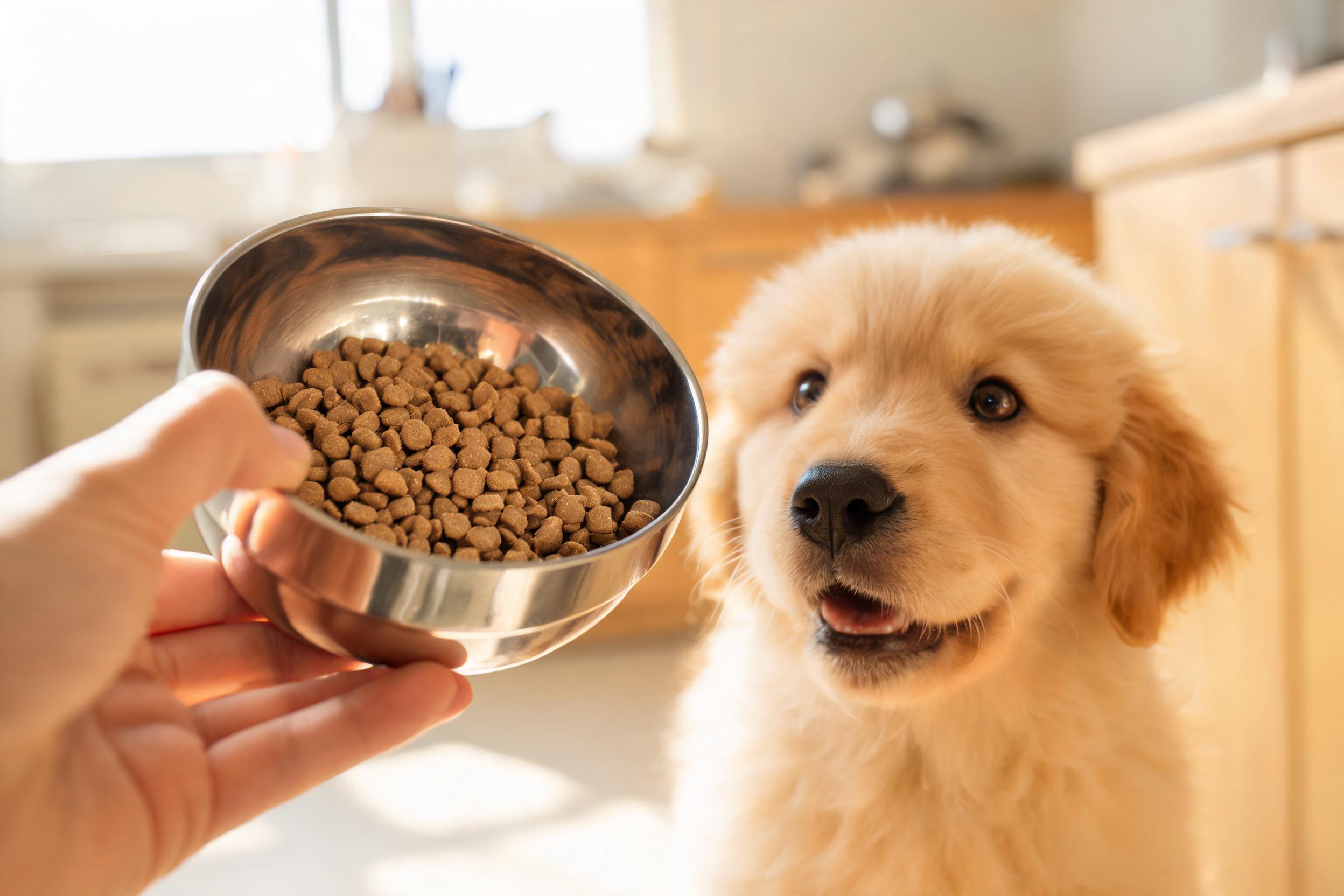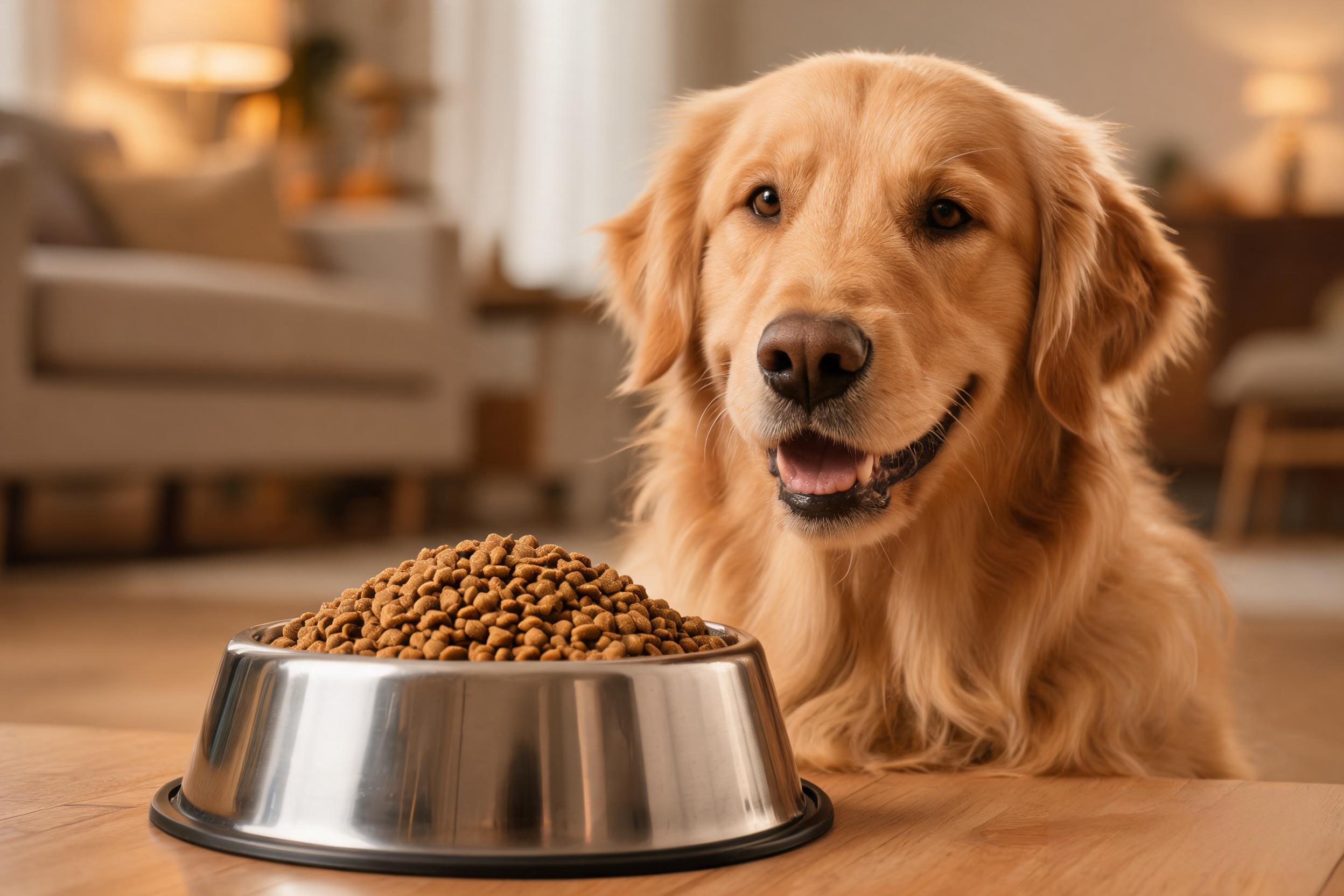
Summary: Raw dog food diets are increasingly popular, driven by a desire for “natural” nutrition and emerging research on metabolic benefits. However, significant health risks — including bacterial contamination and nutritional imbalances — remain major veterinary concerns. This comprehensive guide evaluates the science, compares raw to kibble, reviews the safest product formats for 2026, and offers actionable recommendations for US dog owners.
The Raw Food Debate: Why Pet Owners Are Confused
In recent years, the question of what to feed our dogs has evolved from a simple choice between dry and canned food to a complex nutritional decision with significant health implications. The raw food movement, once a niche interest, has gained mainstream attention due to high-profile endorsements and a societal shift towards less processed foods.
Many dog owners search for “raw dog food pros and cons” because they are overwhelmed by conflicting information. On one side, advocates praise raw diets for promoting shinier coats, cleaner teeth, and more energy. On the other, veterinary organizations warn of serious risks like foodborne illness and nutritional deficiencies. The goal of this article is to cut through the marketing and provide a balanced, evidence-based look at raw feeding in 2026, helping you make the safest and most informed decision for your canine companion.
What Exactly is a Raw Dog Food Diet?
A raw dog food diet primarily consists of uncooked animal tissue — typically muscle meat, organs, and bones. Often termed a “Biologically Appropriate Raw Food” (BARF) diet, it aims to mimic the ancestral diet of wild canids.
These diets come in three main forms:
- Home-Prepared: Owners source and mix ingredients like raw meat, offal, and supplements themselves. While offering complete control over ingredients, this method carries the highest risk of nutritional imbalance and contamination.
- Commercial Raw: Pre-packaged raw foods sold in frozen or freeze-dried formats. These are formulated to be “complete and balanced,” reducing some guesswork but not eliminating risks.
- Combination: Home-prepared meals supplemented with commercial vitamins and minerals to address nutritional gaps.
Why This Matters: The Science Behind the Risk
The debate over raw feeding is not just about philosophy; it is about documented physiological effects and public health. Understanding the science is crucial.
The Metabolic Argument for Raw
A groundbreaking 2025 study from the University of Helsinki provides some of the strongest evidence yet for the metabolic benefits of raw diets. The study found that dogs fed a raw meat-based diet (low in carbohydrates) showed decreased blood sugar and blood lipid levels, while dogs on kibble (high in carbohydrates) showed increases in these markers. Researchers noted that raw-fed dogs shifted to a fat-based metabolism, a state generally considered favorable for metabolic health.
Furthermore, research from Oklahoma State University in 2024 found that dogs on a raw meat-based diet had significantly higher levels of fecal immunoglobulin A (IgA), a protective antibody crucial for immune tolerance and gut health. This suggests a raw diet may contribute to a healthier gut microbiome and potentially lower susceptibility to inflammatory gastrointestinal disease.
The Veterinary Case Against Raw
Despite these potential benefits, the consensus among veterinary organizations remains cautious. The American Veterinary Medical Association (AVMA), the CDC, and the FDA have all issued warnings against feeding raw diets. Their primary concerns are:
- Pathogen Exposure: Raw meat is a known vector for dangerous bacteria such as Salmonella, E. coli, Listeria, and Campylobacter. While a healthy adult dog may not show symptoms, they can become asymptomatic carriers, shedding these bacteria in their saliva and feces for weeks and contaminating your home environment. This poses a severe risk to immunocompromised individuals, young children, and the elderly in the household.
- Nutritional Imbalances: Formulating a nutritionally complete diet is incredibly difficult. A single deficiency or excess of calcium, phosphorus, or vitamins can lead to developmental issues in puppies and metabolic disease in adults. A study found that nearly every commercial raw diet tested had at least one nutritional imbalance.
- Physical Hazards: Whole bones, often included in raw diets, present a choking hazard and can cause fractured teeth, gastrointestinal obstructions, or perforations. These complications are emergencies requiring immediate veterinary intervention.
Raw vs. Kibble: A Head-to-Head Comparison
| Feature | Raw Dog Food (Frozen/Freeze-Dried) | Premium Kibble (Dry Food) |
|---|---|---|
| Metabolic Impact | Linked to lower blood sugar, lower triglycerides, and favorable fat metabolism | Linked to higher blood sugar, higher triglycerides, and weight gain |
| Nutritional Balance | Difficult to achieve; many commercial and homemade recipes are imbalanced | Formulated to meet AAFCO standards; usually complete and balanced for the life stage |
| Pathogen Risk | High — raw meat can harbor Salmonella, E. coli, and Listeria; dogs can shed bacteria to humans | Low — the extrusion (cooking) process kills harmful bacteria |
| Bone Hazards | Whole bones in some diets can cause dental fractures, choking, or internal blockages | Ground or absent; no physical bone hazard |
| Cost (Monthly) | $100–$250 | $30–$80 |
| Convenience | Requires freezer/fridge space, thawing, and careful handling and cleaning | Easy to scoop, store for long periods, and leave out for free-feeding |
| Coat & Skin | Often reported to improve due to high protein and fat content (anecdotal) | Variable; high-quality formulas with omega fatty acids can also produce excellent results |
Solutions and Recommendations for 2026
If you are considering raw feeding, you must prioritize safety. Here is how to mitigate the risks:
- Consult a Veterinary Nutritionist: Do not attempt to formulate a raw diet at home without professional guidance. A specialist can ensure the diet meets your dog’s specific needs, preventing long-term nutritional damage.
- Choose Commercial, Balanced Options: If you choose raw, buy commercially prepared diets labeled “complete and balanced” for the appropriate life stage. This reduces the risk of nutritional imbalances compared to DIY recipes.
- Handle with Care: Treat raw food like you would raw chicken for human consumption. Wash hands, bowls, and surfaces thoroughly with hot soapy water. Keep raw food separate from human food in the refrigerator.
- Consider Freeze-Dried Raw: This format offers the nutritional profile of raw with significantly more convenience and less mess. Freeze-drying removes moisture (up to 99%) and kills many pathogens, making it safer to handle than frozen raw. It stores like kibble and requires no thawing.
Recommended Raw and Raw-Alternative Products
For those committed to raw feeding, freeze-dried raw food is the safest and most convenient option for 2026. See our top three picks below.
Stella & Chewy’s Freeze-Dried Raw Dinner Patties
This is our top overall pick because it perfectly balances raw nutrition with user convenience. The patties are made with 95% raw meat, organs, and bone, sourced from responsibly raised animals. They are formulated to be complete and balanced for all life stages and can be served as-is or rehydrated. They are a fantastic entry point for owners looking to minimize preparation while maximizing nutritional benefits.
Vital Essentials Freeze-Dried Raw Mini Nibs
For owners who want the ease of kibble but the benefits of raw, these Mini Nibs are ideal. They offer over 98% meat, organs, and bone in a kibble-like shape that can be scooped directly into a bowl. They are incredibly high in protein (49%) and low in carbohydrates, aligning with the metabolic benefits highlighted in recent research. This format eliminates handling raw meat and is perfect for travel.
We Feed Raw (Frozen Patties)
If you are prepared to manage frozen raw, We Feed Raw is one of the cleanest options available. The formula is simple — just meat, organ, and bone — with no fillers. It is crafted by a PhD animal nutritionist and sourced from USDA human-grade meats. The company offers free cold shipping nationwide, making it a reliable choice for owners dedicated to a true raw (not freeze-dried) diet.
FAQ
1. Do most vets recommend a raw food diet for dogs?
No. Most veterinarians and major organizations like the AVMA, AAHA, and CDC do not recommend raw diets due to the significant risks of pathogen exposure and nutritional imbalances.
2. Is freeze-dried raw dog food safer than frozen raw?
Yes. Freeze-drying removes moisture and significantly reduces bacterial levels, making it much safer to handle and store. It also offers the convenience of kibble and a long shelf life, minimizing the risks associated with handling raw meat.
3. What are the potential benefits of a raw diet?
Potential benefits, supported by anecdotal evidence and some emerging research, include a shinier coat, smaller stools, improved dental health, and better metabolic markers like lower blood sugar. However, these benefits must be weighed against the risks.
4. What are the signs of a nutritional imbalance in a raw-fed dog?
Signs can be subtle at first but may include weight loss or gain, a dull coat, flaky skin, lethargy, changes in appetite, and gastrointestinal issues like diarrhea or vomiting. In puppies, it can lead to skeletal deformities. Regular veterinary check-ups are essential.
5. What is the best way to transition my dog to a raw diet?
If you decide to proceed, do so gradually. A “straight swap” works for some dogs, but a gradual transition over 4-7 days (mixing increasing amounts of raw with their old food) is gentler on the digestive system. Always monitor for digestive upset and consult your vet if issues persist.
Conclusion
The decision to feed a raw diet is a significant one that should be based on a thorough understanding of the pros and cons. While 2026 research is starting to reveal compelling metabolic benefits, the documented risks of bacterial contamination and nutritional deficiency cannot be ignored. The safest path forward, especially for households with vulnerable members, is to consult a veterinary professional and consider safer alternatives like freeze-dried raw.
Ultimately, the best diet for your dog is one that is nutritionally complete, safe, and tailored to their individual health needs.
Disclaimer: This article is for informational purposes only and does not constitute medical advice. Always consult with a licensed veterinarian before changing your dog’s diet.