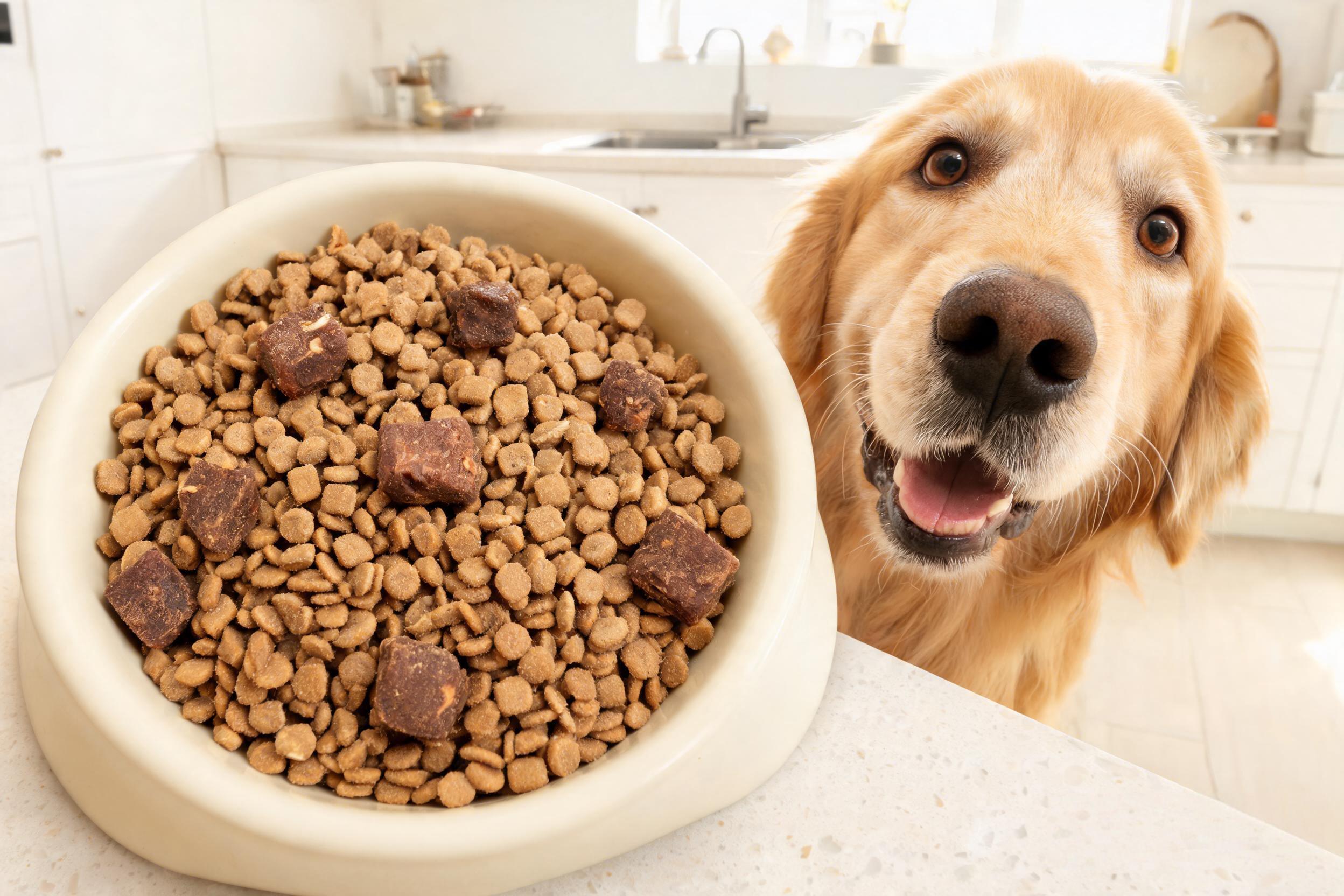
Short Summary: Feeding your dog a high-quality diet doesn’t have to drain your bank account. This guide cuts through the marketing hype to show you exactly how to find cheap healthy dog food, with expert tips, brand comparisons, and 2026-specific insights on getting the best value for your money.
The Problem: The “Good Food” Anxiety
One of the most common concerns dog owners face is the struggle to balance nutrition with budget. You want the best for your furry family member, but the pet food aisle is a minefield of confusing labels, bold claims, and eye-watering price tags. The fear is real: if you don’t buy the most expensive, premium brand, are you somehow failing your dog?
This “good food” anxiety is fueled by clever marketing that often equates price with quality. The result? Many budget-conscious owners feel guilty or overwhelmed, sometimes settling for the cheapest option without knowing if it’s truly healthy. The good news is that cheap and healthy are not mutually exclusive.
The 2026 Reality: The Rise of “Value Nutrition”
The pet food market is finally shifting. In 2026, the trend is moving away from simply paying for a brand name and towards “value nutrition” — where the focus is on the actual ingredients and nutritional density relative to the price. Over 70% of pet owners now prioritize a diet that is nutritionally complete and reasonably priced. This means more brands are stepping up to offer premium-quality ingredients at accessible price points, driven by consumer demand for transparency and value.
What is “Cheap Healthy Dog Food”?
“Cheap healthy dog food” is a diet that meets your dog’s nutritional requirements without unnecessary fillers, artificial additives, or a premium price tag. It’s about maximizing the nutritional value for every dollar you spend.
Why it Matters
A healthy diet is the cornerstone of your dog’s overall well-being. It supports a strong immune system, promotes healthy skin and a shiny coat, provides energy for an active lifestyle, and can even prevent chronic diseases like obesity, diabetes, and joint problems. Choosing a quality, affordable diet helps ensure your dog lives a longer, healthier life while keeping your monthly budget under control.
Key Factors to Look For
To find a truly healthy and affordable dog food in 2026, follow these three key criteria:
- Look at the Ingredients, Not Just the Price: The first ingredient should ideally be a named protein source (e.g., “Chicken,” “Salmon,” “Turkey”) rather than a generic “meat meal” or “poultry by-product.” Avoid foods with excessive fillers like corn, wheat, and soy, especially high on the ingredient list.
- Check the Guaranteed Analysis: A good starting point is a minimum of 28% crude protein for adult dogs and 30% for puppies. The fat content should be between 10-20%, with a calcium-to-phosphorus ratio ideally between 1.1:1 and 1.3:1 for optimal bone health.
- Prioritize Safety and Transparency: In 2026, this is non-negotiable. Look for brands that are transparent about their sourcing. The best value brands will have their own manufacturing facilities (no outsourcing to unvetted co-packers), conduct rigorous third-party testing for harmful contaminants like heavy metals and aflatoxins, and make their test results easily accessible to consumers.
How to Choose Cheap Healthy Food
Navigating the market can be tricky. Here’s a step-by-step approach:
- Start with your dog’s needs: Consider their age, breed, activity level, and any specific health concerns (e.g., allergies, sensitive stomach, joint issues).
- Read the label critically: Don’t just trust the front of the bag. The ingredient list and guaranteed analysis on the back tell the true story.
- Look for the AAFCO statement: This ensures the food meets the minimum nutritional requirements for a complete and balanced diet.
- Consider “Cost-Per-Meal”: A cheaper bag might cost less upfront but require you to feed more cups per day, making it more expensive in the long run. Compare the cost per day based on the feeding guidelines.
- Leverage Budget-Friendly Boosters: You don’t have to buy the most expensive food to make it nutritious. You can enhance a quality mid-range kibble with affordable, healthy toppers like a splash of dog-safe broth, a spoonful of plain pumpkin puree, or small pieces of cooked lean meat.
Section 1: Comparison of Value-Packed Brands
| Brand | Price Range (per lb) | Key Protein Source(s) | Best For |
|---|---|---|---|
| Iams ProActive Health | ~$1.50 - $2 | Chicken | Owners wanting AAFCO-compliant nutrition at the lowest cost |
| Purina ONE SmartBlend | ~$1.80 - $2.20 | Chicken, Turkey | Owners wanting real meat first plus probiotics |
| Diamond Naturals | ~$1.30 - $1.80 | Chicken, Lamb, Fish | Multi-dog households needing bulk-buy savings |
| Pedigree Complete Nutrition | ~$0.80 - $1.20 | Chicken, Beef | Owners on the tightest budgets who still want AAFCO compliance |
Section 2: Recommended Products for 2026
Iams ProActive Health — Best Budget
This option proves that nutritional adequacy doesn’t require a premium price tag. It meets AAFCO standards and lists real chicken as the first ingredient, making it one of the most cost-effective complete diets on the market.
Purina ONE SmartBlend — Best Value with Probiotics
Real meat as the first ingredient combined with guaranteed live probiotics gives this formula an edge over typical budget kibbles, without moving into premium pricing.
Diamond Naturals — Best for Multi-Dog Households
A family-owned brand that operates its own manufacturing facilities, helping keep costs down while maintaining AAFCO-balanced recipes — a smart choice when feeding more than one dog.
FAQ
Q1: Can I really feed my dog healthy food on a tight budget?
Yes, absolutely. The key is to become a savvy label reader and understand what truly constitutes a healthy diet. Many mid-range and even some budget-friendly brands are providing excellent nutrition. You can also boost a healthy kibble with affordable toppers like plain cooked chicken or eggs. Remember, a slightly more expensive food that requires smaller portions is often more cost-effective than a very cheap food that needs to be overfed.
Q2: What should I look for on a dog food label?
First, check the ingredient list: the first ingredient should be a named protein (e.g., “Chicken” vs. “Poultry By-Product”). Second, look for the AAFCO statement which confirms it is a complete and balanced diet. Third, check the guaranteed analysis for a minimum crude protein of around 28% for adults and 30% for puppies.
Q3: Are the expensive, premium brands always better?
Not necessarily. Many premium brands rely on marketing and brand recognition. In 2026, a new wave of “value nutrition” brands are offering comparable, and in some cases superior, nutritional profiles at a lower price point by investing in technology, bulk buying, and having their own factories.
Q4: Is grain-free dog food better, and is it more expensive?
Grain-free is not necessarily better for all dogs. It’s a lifesaver for dogs with a specific grain allergy, but for others, whole grains like brown rice and oats are excellent sources of fiber and nutrients. While some grain-free foods are more expensive, several budget-friendly brands offer grain-free options at affordable prices.
Q5: How can I make a healthy kibble more interesting for my dog?
You don’t need to buy expensive toppers. Simple, affordable options include adding a spoonful of plain pumpkin puree (not pie filling), a splash of dog-safe bone broth, a few pieces of cooked, unseasoned chicken, or some dog-friendly veggies like green beans or carrots. This adds variety, moisture, and extra nutrients without breaking the bank.
Conclusion
Finding cheap healthy dog food in 2026 is less about finding a bargain and more about being a smart consumer. By understanding what to look for on a label and knowing which value-driven brands are leading the way, you can provide your dog with a nutritious, delicious diet that supports a long, happy life without the financial stress.
Disclaimer: This article is for informational purposes only and does not constitute medical advice. Always consult with a licensed veterinarian about your dog’s specific dietary needs.