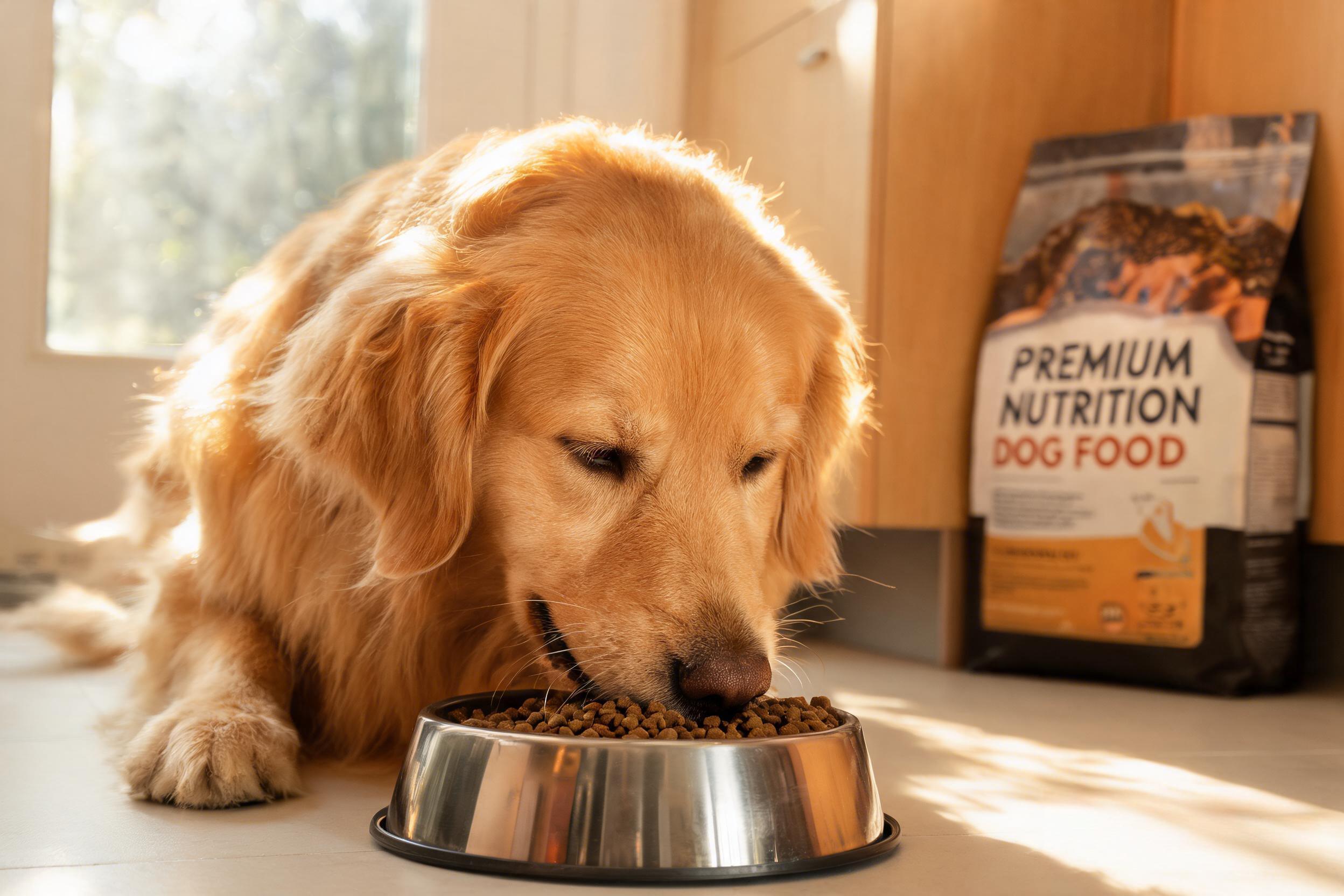
If your dog frequently deals with an upset stomach, you are far from alone. Digestive issues are one of the most common reasons dog owners search for a new food, and the sheer number of “gentle” or “sensitive” formulas on shelves can make the decision more confusing rather than less. This guide breaks down what actually causes a sensitive stomach, which ingredients genuinely help, and how to switch foods without making things worse in the process.
Why Sensitive Stomachs Are So Common in Dogs
A sensitive stomach isn’t a single diagnosis — it’s a catch-all term for a digestive system that reacts poorly to certain ingredients, textures, or sudden dietary changes. Two things make this harder to solve than it should be. First, pinpointing the actual trigger takes patience, since symptoms often overlap with allergies, infections, or unrelated illnesses. Second, the market is crowded with vague marketing language, making it hard to tell genuine nutritional quality from a label that simply says “sensitive” or “gentle.”
Many everyday kibbles rely on low-cost fillers like corn, wheat, and soy, or heavily processed protein sources that are harder for a sensitive gut to break down. Foods formulated to avoid these ingredients often carry a higher price tag, which leaves owners weighing cost against comfort. The goal of this guide is to cut through that noise with a clear, veterinary-informed framework for choosing the right food in 2026.
Recognizing the Signs of a Sensitive Stomach in Dogs
Before switching foods, it’s worth confirming that diet is actually the root cause. Common signs of a sensitive stomach in dogs include:
- Digestive symptoms: Frequent loose stools, diarrhea, excessive gas, or vomiting shortly after meals.
- Skin and coat symptoms: A sensitive gut often shows up outside the digestive tract too — chronic itchiness, inflamed skin, recurring ear infections, or a dull, dry coat can all be linked to what’s in the bowl.
- Behavioral changes: Abdominal discomfort can lead to reduced appetite, restlessness, or low energy after eating.
If these symptoms show up regularly, especially right after meals, it’s a reasonable signal to consider a more digestible diet. That said, persistent or severe symptoms can also point to something more serious — inflammatory bowel disease, parasites, or infection — which food alone won’t fix and which warrants a vet visit.
How to Choose the Best Food for a Sensitive Stomach
Picking a sensitive-stomach formula isn’t as simple as grabbing a bag with the right label. It requires actually reading the ingredient list.
What to Look For
- Limited ingredients. A shorter ingredient list with a single named protein source makes it far easier to identify what’s causing a reaction, if anything.
- Easily digestible proteins. Salmon, lamb, and turkey are generally gentler options. Dogs with a known sensitivity to chicken or beef may do better on a novel protein like duck or venison.
- Gentle carbohydrates. Ingredients like brown rice, oatmeal, pearled barley, and sweet potato provide energy without overtaxing digestion.
- Prebiotic fiber. Pumpkin, beet pulp, and chicory root support healthy gut bacteria and more consistent stool quality.
What to Avoid
- Fillers: Corn, wheat, and soy are common irritants that add little nutritional value.
- Artificial additives: Artificial colors, flavors, and preservatives can aggravate an already-sensitive system.
- High fat content: Rich, high-fat formulas are a common trigger for digestive upset, even in dogs without diagnosed pancreatitis.
Grain-Free or Grain-Inclusive? The 2026 Shift
Grain-free diets had a long run of popularity, but 2026 has seen a real shift back toward grain-inclusive formulas built around “ancient grains” like oatmeal, brown rice, and barley. Part of this is caution: some grain-free diets — particularly those heavy in legumes and pulses — have been investigated for a possible link to Dilated Cardiomyopathy (DCM), a serious heart condition. For most dogs with sensitive stomachs, digestible whole grains are a safe and often beneficial source of energy. Grain-free still makes sense for dogs with a confirmed grain allergy, but it shouldn’t be the default choice without a reason. Talk to your vet before deciding either way.
Comparing Sensitive Stomach Food Types
| Format | Best For | Key Advantage | Consideration |
|---|---|---|---|
| Limited Ingredient Diets | Dogs with an unknown or unconfirmed trigger | Fewer variables make it easier to isolate the problem ingredient | Requires strict adherence — no treats or table scraps during the trial |
| Hydrolyzed Protein Formulas | Dogs who haven’t responded to limited-ingredient diets | Proteins are broken down small enough to avoid triggering a reaction | Usually prescription-only and more expensive |
| Grain-Inclusive “Gentle” Formulas | Most dogs with mild, diet-related sensitivity | Digestible carbs plus added prebiotics support steady digestion | Not ideal for dogs with a confirmed grain allergy |
| Prescription GI Diets | Dogs with diagnosed conditions like IBD | Formulated specifically for chronic digestive disease | Requires a veterinary diagnosis and prescription |
Recommended Products
See the comparison cards below for our top picks, each evaluated for ingredient quality, digestibility, and value for money.
How to Transition Dog Food Safely
Switching foods too quickly is one of the most common ways owners accidentally make a sensitive stomach worse. A gradual transition gives the gut time to adjust.
A 7 to 14-Day Transition Plan
- Days 1-3: Mix 25% new food with 75% old food.
- Days 4-6: Move to a 50/50 mix.
- Days 7-9: Increase to 75% new food, 25% old food.
- Days 10-14: Feed 100% new food.
For dogs with a known sensitive stomach, it’s worth stretching this out to the full 10-14 days, starting with an even smaller portion of new food — as little as 10% — if your dog tends to react strongly to change. Watch stool quality and energy levels throughout, and pause the transition if you see vomiting or severe diarrhea.
When to See a Vet
This guide is intended for general information, not a diagnosis. If your dog shows bloody diarrhea, repeated vomiting, or noticeable weight loss, it’s time to see a vet promptly rather than experimenting further with food. A veterinarian can rule out conditions like IBD, parasites, or infection, and may recommend a prescription or elimination diet to pinpoint the exact cause.
FAQ: Sensitive Stomach Dog Food
1. What can I feed my dog with a sensitive stomach?
Start with a single high-quality protein (like salmon or lamb) paired with a simple, digestible carbohydrate (like rice or oatmeal). A limited ingredient diet is usually the best starting point because it minimizes variables. Plain, unsweetened pumpkin can be a helpful addition for its fiber content.
2. How long does it take for sensitive stomach food to work?
Stool quality and energy levels often improve within a few days to a week after the transition is complete. Skin and coat improvements take longer — often 6 to 8 weeks — since those tissues regenerate more slowly.
3. Is grain-free food better for sensitive stomachs?
Not automatically. Many dogs actually do well on digestible grains like oatmeal and brown rice, and grain-free diets carry their own considerations, including a possible link to heart issues in some cases. Check with your vet before choosing either path.
4. Can I add supplements to help with a sensitive stomach?
Often, yes. Probiotics can help support gut bacteria balance, and plain pumpkin puree is a well-known source of soluble fiber that can firm up loose stools. As with any supplement, confirm the type and dosage with your vet first.
5. How long should the food transition take?
For most dogs, 7-10 days is enough — starting at a 25% new / 75% old ratio and gradually increasing. Dogs with a documented sensitive stomach often do better with a slower, 10-14 day transition.
Conclusion
Finding the right food for a sensitive stomach comes down to being a careful, informed reader of ingredient labels rather than chasing marketing terms. By recognizing the real symptoms, understanding which ingredients tend to help or hurt, and transitioning foods gradually, you can meaningfully improve your dog’s day-to-day comfort — and yours, too.